Hyperlipidemia, as one of the most common chronic cardiovascular diseases, has long been shrouded in mystery. It is like an “invisible killer”, quietly destroying people’s health. However, due to information gaps and misinformation spread among the public, up to now, people still have many misunderstandings about hyperlipidemia, which hinders them from managing their blood lipids correctly and reasonably.
Rome wasn’t built in a day. Hyperlipidemia is the result of the combined effect of multiple factors and long-term evolution. For healthy people, however, they should take preventive measures and safeguard vascular health with a scientific attitude and approach.
Misunderstanding
The lower the blood lipid level, the better
After hearing too much about the harms of hyperlipidemia (especially hypercholesterolemia), people can’t help but think that the lower the blood lipid level, the better. In fact, this is incorrect. Because cholesterol in blood lipids is an important raw material for the synthesis of cell membranes and hormones in the human body, and triglycerides are also a source of energy. Only when they are maintained within a reasonable range can they exert normal functions.
If blood lipid levels drop too low, it may lead to problems such as weakened immunity and cerebral hemorrhage. Of course, at this stage, the “minimum limit” of blood lipids has not yet been explored. Clinically, it is generally believed that low-density lipoprotein cholesterol as low as 1.0mmol/dl is still safe.
Misunderstanding
Thin people do not have blood lipid problems
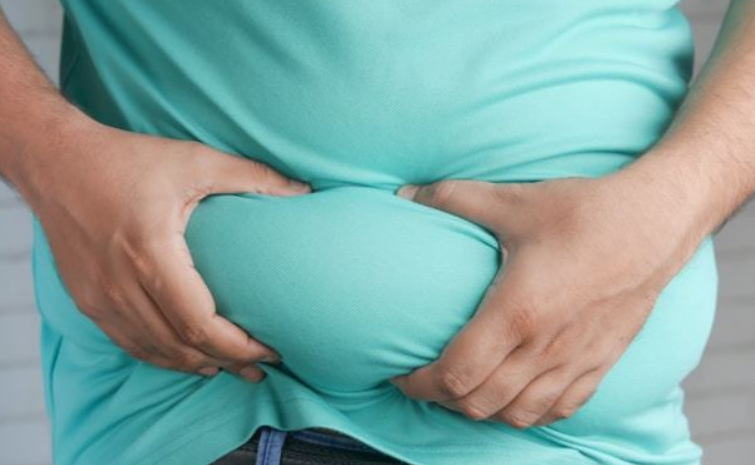
Many people subconsciously associate high blood lipid with obesity, believing that thin people must have normal blood lipid levels. In fact, in clinical practice, there is still a portion of thin people with high blood lipid levels. Everyone needs to understand that elevated blood lipid levels have no direct relationship with being fat or thin, but are influenced by a combination of multiple factors such as genetics, metabolism, diet and exercise.
Misunderstanding
Hyperlipidemia is a “disease of the elderly”
Some people think that hyperlipidemia is a disease of the elderly and young people need not worry. However, the incidence of hyperlipidemia is gradually showing a trend of younger age, which has sounded the alarm for the young and middle-aged group. Many young and middle-aged friends suffer from abnormal lipid metabolism due to unhealthy lifestyles, such as long-term alcohol consumption, lack of exercise, high-fat diet, smoking, and excessive stress.
Misunderstanding
If you don’t eat meat, you won’t have high blood lipid
Some people don’t eat meat, but they consume a large amount of starchy staple foods, such as rice, steamed buns, noodles, etc. There are still some people who, although they do not eat meat, consume fried foods, sweets and baked goods for a long time. These high-sugar and high-calorie foods can also lead to elevated blood lipids. We have always advocated a comprehensive and balanced diet rather than simply avoiding meat. After all, more cholesterol in the human body comes from synthesis within the body, and cholesterol intake through diet only accounts for 20% of the total cholesterol.
Misunderstanding
There is no need for treatment if there are no symptoms
Hyperlipidemia usually erodes the vascular endothelium in a “silent” manner, and more than half of the patients have no discomfort symptoms in the early stage. However, if blood lipids are not controlled for a long time, it can lead to the escalation of many potential risks, such as the formation of arterial plaques and vascular stenosis.
To prevent the condition from worsening, timely intervention should be carried out after a confirmed diagnosis.
Misunderstanding
It’s normal if there are no arrows on the test report
When we get the hospital test report, we always tend to first check if there are “↑” and “↓”. However, the absence of arrows does not completely mean “no problem”. It represents the normal range of population statistics. For a specific patient, it is necessary to make a comprehensive judgment based on their own situation, and the standards are not uniform.
Misunderstanding
Taking lipid-lowering drugs allows you to rest easy
Lipid-lowering drugs can help lower blood lipids, but they are not a “panacea” or a “safety lock”. Taking medicine while eating, drinking and lying flat as one pleases will greatly reduce the efficacy of the medicine and may even cause side effects. For the majority of patients with hyperlipidemia, it is still necessary to adhere to the principle of “controlling your diet and exercising regularly” during the medication period.
Misunderstanding
The medication can be stopped when the blood lipid level drops
Most patients with hyperlipidemia need to take medicine for a long time. Stopping the medication without permission is very likely to cause a rebound. Take statins as an example. Whether a patient can stop using them after their blood lipid levels reach the target level requires a comprehensive consideration of multiple factors, including the degree of lipid reduction, the risk of rebound, the status of atherosclerosis, and the risk of cardiovascular diseases.