Peanuts have become the “top snack for binge-watching TV series”, available in various forms such as boiled, stir-fried and roasted.
Despite its small size, in the eyes of traditional Chinese medicine, it is a genuine “fruit of longevity”.
In Compendium of Materia Medica, it is written that peanuts are “sweet, neutral and non-toxic, mainly used to treat nausea and loss of appetite, promote urination, quench thirst and moisten dryness of the lungs.” In plain words, they are neutral in nature, sweet in taste and non-toxic. They can treat loss of appetite, help with urination and quench thirst, and also moisten dryness of the lungs.
Point 1
The cardiovascular system especially likes peanuts
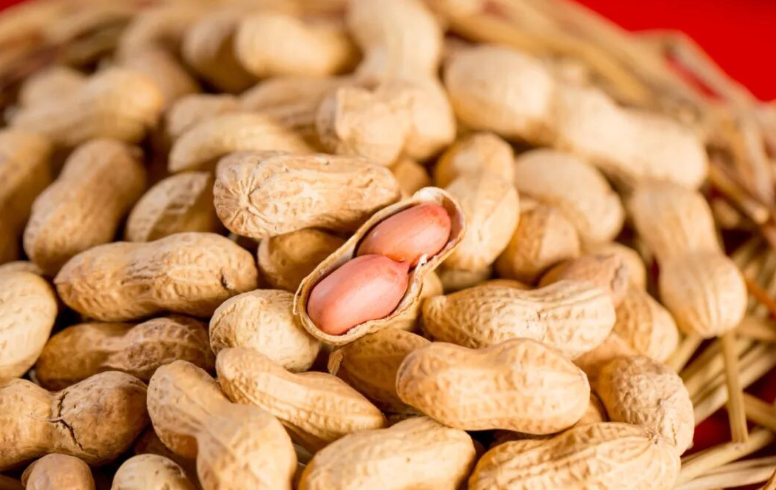
From the perspective of nature and taste, peanuts enter the spleen and lung meridians. These two organs are closely related to the cardiovascular system!
The spleen governs transformation and transportation, acting like the body’s “nutrient transporter”. When the spleen is powerful, the fat and sugar consumed can be promptly removed and will not accumulate in the blood vessels. The lung governs the regulation of waterways and acts as the body’s “plumber”, capable of expelling excess water and dampness to prevent them from getting clogged in blood vessels and turning into “phlegm-dampness”. That’s why traditional Chinese medicine says, “When the spleen is healthy, the blood flows smoothly; when the lungs are moist, the meridians are unobstructed.” Peanuts just help these two internal organs work. How could the cardiovascular system not like them?
The research of Western medicine also aligns with the principles of traditional Chinese medicine. A joint study by the University of Chinese Academy of Sciences and Harvard Medical School found that people who eat peanuts every day tend to lose weight and have a 2.33 times higher chance of reversing metabolic syndrome than the control group.
In traditional Chinese medicine, this is described as “when the spleen is healthy, phlegm and dampness will transform”. Metabolic syndrome is mostly caused by a “phlegm-dampness constitution”. Peanuts can strengthen the spleen, and phlegm and dampness will disappear, making the body naturally feel refreshed.
There is also an experiment conducted by an American nutrition professor: under the same diet, people who ate peanuts had their triglycerides drop by 32% after meals. Traditional Chinese medicine holds that “peanuts can moisten dryness in the lungs and promote blood circulation”. High triglycerides actually indicate “excessive phlegm and dampness in the blood”. Peanuts help promote blood circulation and eliminate phlegm and dampness, and the indicators will naturally come down. Even more surprisingly, the GI value of peanuts is only 14, which is a low-glycemic index food. Traditional Chinese medicine says it “strengthens the spleen and harmonizes the stomach”. When the stomach feels comfortable, blood sugar levels won’t be like a roller coaster ride, and people with diabetes can eat it with peace of mind.
The research in the international journal “Stroke” is more substantial: following 75,000 people for 14.8 years, it was found that those who ate more peanuts had a 16% lower incidence of stroke, a 20% lower incidence of ischemic stroke, and a 13% lower incidence of cardiovascular disease.
This is in perfect alignment with the traditional Chinese medicine belief that “peanuts can replenish qi and blood and promote blood circulation” – when qi and blood are abundant and blood vessels are nourished, they are less likely to get clogged and naturally fall ill less frequently.
Point 2
A handful of peanuts every day

There may be three major improvements in the body
In addition to protecting the cardiovascular system, peanuts can also bring many “little surprises” to the body.
1
Promote peristalsis of the large intestine
The most troublesome problem for the elderly is constipation. Some of them only go to the toilet once every two or three days and still struggle to squat for a long time. Many people think it’s due to “excessive internal heat”, but in fact, it’s more often “weak spleen”.
In traditional Chinese medicine, it is said that “the spleen governs transformation and transportation, while the large intestine governs transmission.” The spleen is like the “power source” of the large intestine. When the spleen is weak, the large intestine has no strength to move, and feces will naturally get stuck in the intestines.
Peanuts are particularly rich in dietary fiber, and most of it is insoluble fiber.
In the eyes of traditional Chinese medicine, this is a good thing for “moistening the bowels”, which can help the large intestine “push” feces. In addition, peanuts can strengthen the spleen and provide sufficient “power” to the large intestine. By taking both measures simultaneously, constipation will naturally improve.
2
Help nourish the brain
Nowadays, many elderly people also love to use smart phones, but they always can’t remember the operation steps and feel that their minds can’t work when helping their grandchildren with homework.
From the perspective of traditional Chinese medicine, this might be due to “insufficiency of qi and blood and lack of nourishment for the brain orifices” – the brain is like a “sea of marrow” and needs to be nourished by qi and blood. When qi and blood are insufficient, the brain naturally “rotates slowly”.
A study in Clinical Nutrition states that eating peanuts can improve cognitive function and relieve stress in young people, and the same is true for the elderly. The polyphenols and vitamin E in peanuts are regarded in traditional Chinese medicine as components that “tonify qi and blood and moisten the brain orifices”. Peanuts can strengthen the spleen. The spleen can generate blood. When qi and blood are abundant, the brain orifices are nourished, memory improves, and one is less likely to get nervous over small matters.
3
Enhance bone density
The elderly are most afraid of “osteoporosis”. A slight fall can cause a fracture, and they always feel “leg pain and knee soreness” when walking.
In traditional Chinese medicine, it is said that “the kidneys govern the bones and the spleen governs the muscles”. Bone health is entirely nourished by the “essence and qi” of the kidneys and the “blood and qi” of the spleen. Most elderly people have weak spleens and kidneys, insufficient qi, blood and essence. Without nourishment, their bones naturally become brittle and their density decreases.
The calcium, magnesium and phosphorus in peanuts are regarded as good for nourishing the liver and kidneys and strengthening the muscles and bones in traditional Chinese medicine. Moreover, peanuts are good for the spleen and can transport these nutrients to the kidneys, where they are then converted into “essence and energy” to nourish the bones, which is equivalent to “supplementing calcium and nourishing” the bones.
If you keep eating a handful of peanuts every day, your bone density will gradually increase. You won’t have leg pain when walking and will have more energy when climbing stairs than before. You won’t have to rely on crutches for strength all the time anymore.
Point 3
Eat peanuts like this
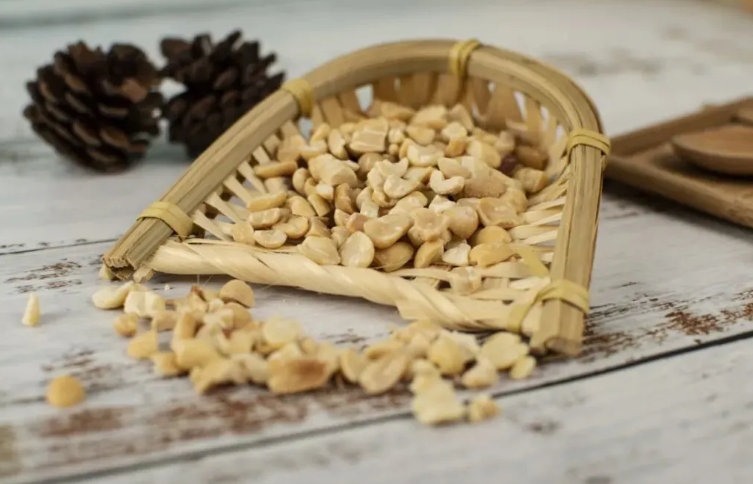
Better health preservation effect
The way to eat peanuts is quite particular, and different ways of consumption have different health benefits.
Boiled peanuts are the most recommended way to eat them. Boiling peanuts can retain their nutrients to the greatest extent without adding extra oil. According to traditional Chinese medicine, boiled flowers have a mild nature and are more easily digested by the spleen and stomach, making them suitable for people with weak spleen and stomach to supplement nutrition.
Peanuts soaked in vinegar also have their unique benefits. Chewing 8 to 10 vinegar-soaked peanuts after meals can help protect blood vessels. The various organic acids in vinegar can not only relieve greasiness and enhance fragrance, but also have the effects of clearing heat and promoting blood circulation.
Tip: Boiling peanuts with spices like star anise and cinnamon enhances the flavor more than adding salt and can also reduce sodium intake, making it more suitable for middle-aged and elderly people.
The recommended way to eat peanuts is to fry them. Peanuts themselves have a high oil content. After being fried, it is even more likely to cause excessive oil intake, adding a burden to the body. Moreover, some nutrients will also be destroyed by high temperatures after frying.
Point 4
Safety Tips for Eating Peanuts
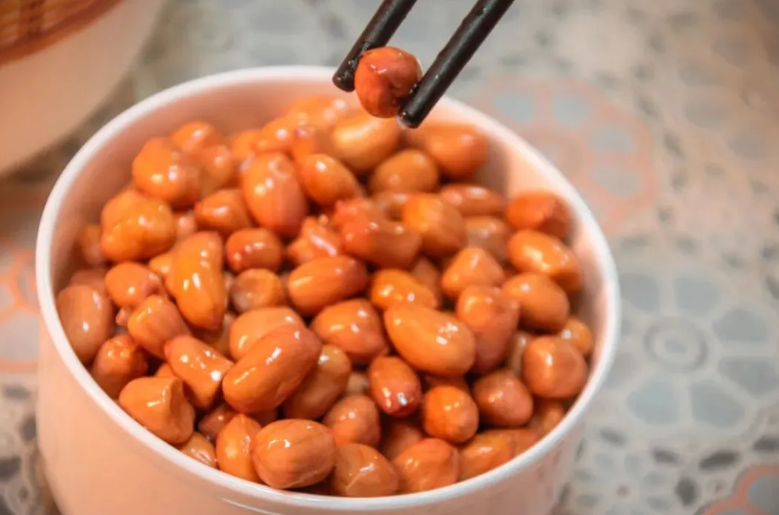
While enjoying the health benefits brought by peanuts, one should also pay attention to some safety issues.
Never eat moldy peanuts! Moldy peanuts contain highly toxic aflatoxin (1 milligram causes cancer). If you taste a bitter flavor, spit it out immediately and rinse your mouth. Aflatoxin is the strongest carcinogen discovered so far. Its physical and chemical properties are quite stable, it cannot be degraded in the human body, and it is heat-resistant. Even when heated to 200℃, it cannot destroy aflatoxin.
It is recommended to purchase shelled peanuts and eat them immediately after peeling for greater safety. Peanuts should be stored in a dry and cool place, avoiding direct sunlight and damp environments to prevent mold and deterioration.
The daily intake of peanuts should be controlled at around 30 grams (about a small handful). Excessive consumption may lead to indigestion.
At the same time, peanuts are high in fat. Eating them two hours before going to bed may increase the digestive burden and cause acid reflux and bloating. The best time to consume it is for breakfast or as an afternoon snack.
Finally, I have to be honest with everyone. Peanuts are good food, but “eating them right is a tonic, while eating them wrong is a burden.”
If you have chronic diseases such as hypertension or diabetes, or if you always feel uncomfortable after eating peanuts, don’t try to figure out how to adjust yourself. Hurry up and see a doctor or a traditional Chinese medicine practitioner to take your pulse. If you really feel unwell, seeing a doctor in time is the most reliable way!