
The implementation of the three-year “Weight Management Year” initiative has added fuel to the fire of national fitness. In addition to getting more active, many people have also started to control their diet, and “giving up sugar” has become a popular way to do so nowadays.
In fact, since a few years ago, this dietary approach of controlling sugar intake has gradually become popular in the running circles of Europe and America, in combination with running and fitness training. Moreover, in this so-called “sugar-cutting” process, controlling sugar intake seems to be more fascinating to overweight people than controlling carbohydrates. Even NBA superstar lebron James once gave up sugar and dairy products, triggering a wave of following suit.
However, can the so-called “sugar-free” lifestyle really effectively control weight and even make the number on the scale quickly decrease? Meyer Heather, a nutrition columnist for the American running magazine “Runner’s World”, personally experimented by refusing sugar intake for 30 days during running training. The result was unexpected.

Stick to not consuming sugar for 30 days? What exactly is appropriate
Based on her own training intensity and research, Heather set a basic standard for a 30-day “sugar-free lifestyle”, which is not to consume added sugar. This is also the standard for the vast majority of people to “give up sugar”.
Within a month, Heather’s training diet can include fruits, and the portion size won’t change much. According to Heather, “It must be noted that if no sugar is added, it has little impact on the sweetness of food because other natural sugars can be used as substitutes, such as honey.”
In Heather’s research, added sugar has many alternative names – sucrose, brown sugar, corn syrup, dextrose, fructose, high fructose corn syrup, honey, maple syrup and raw sugarcane syrup/sugar.
If the labels of the food you buy in the supermarket have these terms, be aware that they are all “sugar”. Heather said, “The US Food and Drug Administration recommends that each person consume no more than 10% of their total daily calories or about 50 grams of added sugar.”
Of course, if one hopes to lose weight through running, then runners need to have stricter standards.
Heather suggests that the first choice for runners’ breakfast should be yogurt and oats, and the sugar content of yogurt and oats should be less than 8 grams.
After adhering to this “sugar-abstaining” approach for 30 days, Heather felt emotional fluctuations. She was also surprised to find that before her weight changed, she had to face and solve six problems first. This is also a process that many people who refuse to consume sugar for weight loss must go through.
Question 1: Create the illusion of “the body becoming lighter”
In the first few days after Heather refused to consume added sugar, she did have a “completely new” feeling. But soon, he realized that this was a common psychological effect.
In fact, changes in just a few days are unlikely to have a significant impact on such a huge and sophisticated system as the human body.
However, compared with eating some unhealthy fast food and drinking overly sweet beverages every day, reducing the intake of sweet foods can indeed make both the body and mind feel more relaxed.
This is just like what James himself said after giving up sugar and dairy products, “My initial plan was to keep it up for a month, but after persisting for a while, I found that my body felt great, so I chose to stick to this diet.”
However, Heather found that over time, the sense of “ease” in the later stage would definitely be greatly reduced.
Question Two: Start to fight against your own willpower
As a nutrition columnist, Heather once participated in seven marathons and strictly adhered to her training plan and diet. However, after nearly half a month of a “sugar-free” life, she found herself beginning to lack perseverance.
“Without personal experience, many people may not be able to imagine how difficult it is to change habits that have been formed over a long period of time.” “
In many cases, especially in some social engagements that cannot be refused, refusing to consume sugar has become a psychological struggle.

Question 3: Does the skin tend to have problems?
If you don’t eat sugar or other “bad” things, your skin will become rosy and your hair will become silky. These are some comments that Heather often hears.
However, Heather did not experience these favorable physical reactions. However, pimples began to appear on her chin.
Of course, it must be said fairly that I admit I have been fighting acne for some time. Heather admitted that she herself had some skin problems before, and the change in diet might not have been the real trigger.
However, since this issue emerged within a week of the “sugar-abstaining” life after disappearing for a long time, it is included as part of the experimental record.
Question 4: Start eating more fruits and nuts
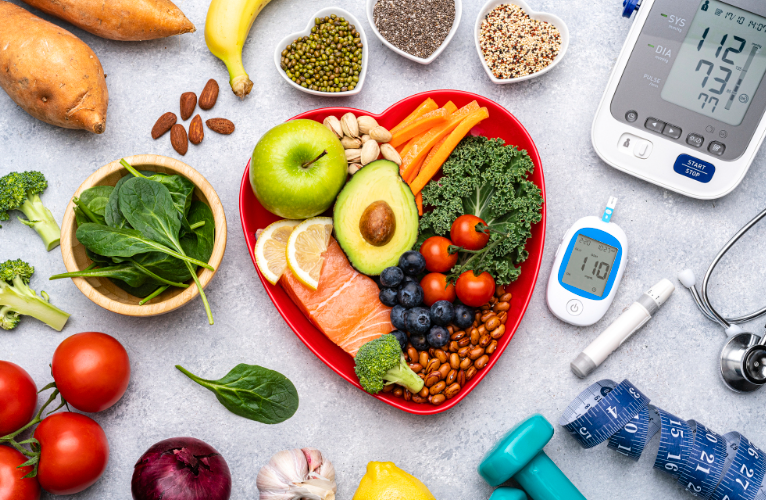
Under normal circumstances, in order to reduce the intake of added sugar, many people choose to replace sweet foods with fruits. Fruits have a relatively high fiber content and a very obvious function of filling the stomach.
However, for runners who want to “lower blood sugar”, is fruit safe?
Robert Laustig, an emeritus professor of pediatrics at the University of California, has provided the answer. Generally, apart from grapes, fruits with high sugar content (in their natural form) often contain both soluble and insoluble fiber, which can slow down the absorption of sugar in fruits by the human body, thereby preventing the occurrence of blood sugar peaks. In other words, “Even if there is a lot of sugar in fruits, it is difficult for you to absorb it.”
In addition, although salt-free or roasted organic cashews have a high fat content, they can help those who want to give up sugar relieve their psychological burden.
Question Five: It’s easy to be overly strict about sugar
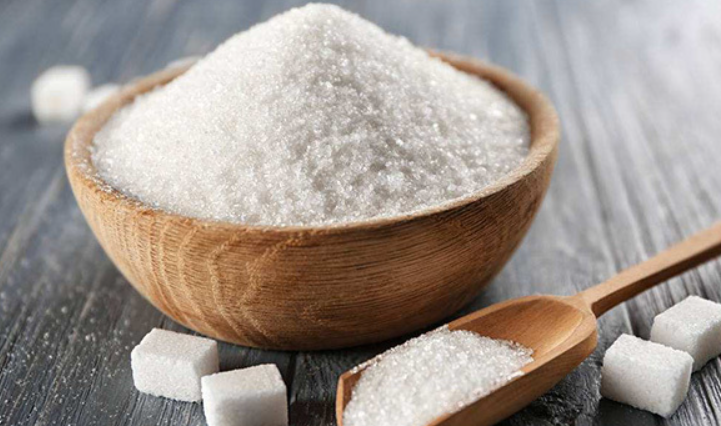
Heather is a nutrition expert, so she understands the concept of “hidden sugar”. In fact, there is sugar in everything, even flour.
For instance, 236.5 milliliters of low-fat milk contains 13 grams of sugar (in the form of lactose), and the same amount of low-fat chocolate milk contains 24 grams of sugar. After removing 13 grams of lactose, there are still 11 grams left with added sugar.
During the process of “giving up sugar”, Heather became increasingly sensitive to the sugar in food. Even before purchasing many foods, she paid special attention to the types of added sugar and would only make a choice after carefully reading the nutrition labels.

Question 6: Small changes in weight but significant changes in habits
In fact, after the 30-day “sugar-abstaining” experiment, Heather’s weight neither increased nor decreased. This is actually a similar result she found after communicating with many “sugar-abstaining” runners.
“I think that although sweet foods can still be eaten, it’s just a matter of being cautious. There’s no need to control sugar intake.” ” Of course, Heather admitted that it was possible to achieve weight loss through other means as well. Heather believes that deliberately “giving up sugar” is not a wise approach, especially for runners or fitness enthusiasts in training.
Furthermore, Heather’s greatest feeling is that deliberately avoiding a certain type or category of food can cause tremendous harm to both the body and mind.
To lose weight, Heather once tried an experiment to refuse carbohydrates. Just like “giving up sugar”, these memories were quite painful. “The state at that time was particularly bad, as if something was missing.” It is only after starting a balanced diet that the body begins to adjust.”
However, the process of “giving up sugar” has brought about some changes to Heather’s lifestyle. She will pay close attention to the ingredient list of food, and also “question” herself whether she really wants to eat the chocolate on the table. She is gradually improving her habit of overindulging in ice cream.
One cannot eat as one pleases. This is Heather’s summary after her personal experiment. It might be a cliche, but it is more instructive in this context. “After fitness and running training, it’s still better to treat yourself with some favorite food. If you eat some sweet food in this situation, it might feel sweeter than usual.”