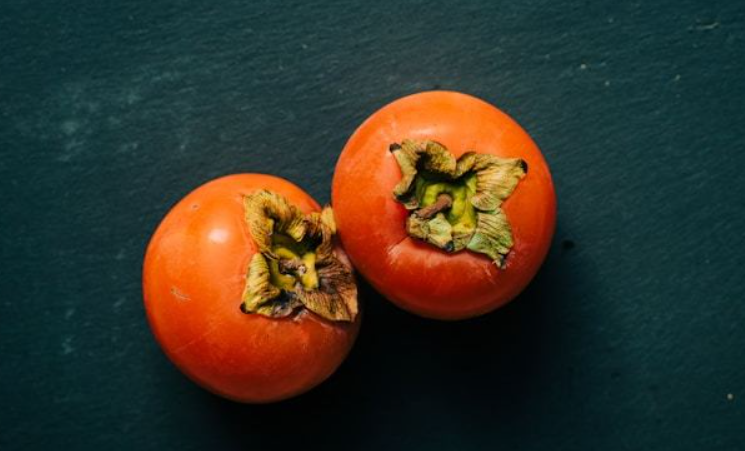
When you take a bite of an unripe persimmon or take a sip of red wine, the feeling that makes your tongue “tight” and your mouth “dry” is what we often call “astringency”. “Astringency” is often associated with sourness, bitterness and unripe things, but a recent study has found that this seemingly “unappealing” feeling may hide the secret of stimulating the vitality of the brain and body.
This study was published in the journal Current Research in Food Science. The authors are a research team from institutions such as Shibaura Institute of Technology in Japan. Through experiments on mice, researchers have found that a class of substances with typical astringency – Flavanols – can significantly affect behavior, cognition and autonomic nerve function by stimulating the digestive tract and activating key nervous systems in the brain.
In previous understanding, the impact of food on the body mainly came from the absorption of the nutrients it contained into the bloodstream. However, many astringent substances found in cocoa, red wine and berries, such as flavanols, have extremely low bioavailability, meaning they are difficult for the body to absorb. However, previous experiments have indicated that the intake of flavanols can quickly trigger a series of physiological changes, including accelerated blood flow, improved attention, and enhanced short-term memory.
Astringency is a very unique stimulus that only a few polyphenolic compounds possess. We want to know whether this feeling itself, rather than the absorption of substances, can directly affect the nervous system. The authors wrote in the paper.
The core of this research lies in revealing the fascinating role of the “gut-brain axis”. The gut-brain axis refers to the continuous two-way information exchange between the intestine and the brain. The intestine is densely covered with neural networks, resembling a “second brain”. Research has found that astringent substances may precisely take advantage of this pathway.
Researchers administered flavanols extracted from cocoa to mice by gavage. Flavanols are a typical class of substances that give chocolate and tea astringency. Experiments have found that after mice ingested flavanols, their spontaneous activities (such as moving, standing, and grooming) significantly increased, and they appeared more alert and excited.
In the “New Object Recognition Test” (a behavioral experiment to assess short-term memory ability), mice that ingested flavanols demonstrated stronger memory. They can explore newly emerged objects for a longer time, indicating that they clearly remember which ones are “old”.
To explore the underlying mechanism, the research team “observed” the dynamic changes of neurotransmitters in the mouse brain through mass spectrometry imaging technology. It was found that after the intake of flavanols, a region in the brain called the Locus Coeruleus (LC) was rapidly activated.
The locus coeruleus is an “alarm and arousal center” in the brain and a major source of Noradrenaline (NA), a neurotransmitter responsible for regulating our arousal, attention, and stress responses. When you suddenly hear a loud bang and your heart beats fast and your mind is highly concentrated, that’s when it’s at work.
Researchers speculate that when flavanols enter the mouth and digestive tract, their “astringent” nature stimulates the sensory nerves of the digestive tract. This sensory signal is regarded as a kind of “stress” or “novelty” stimulus and is uploaded to the brainstem through neural pathways. The signal reached and “ignited” the locus coeruleus, causing it to release a large amount of norepinephrine to various regions of the brain, including the hippocampus responsible for memory and the hypothalamus responsible for arousal. Ultimately, this “storm” of neurotransmitters led to the mice becoming more alert, active, and having enhanced memory.
Our research indicates that the sensory characteristics of food, such as astringency, are crucial for maintaining homeostasis and promoting human health. The authors concluded, “This means that the taste and texture of food itself may be an important biological signal that regulates our physical and mental states.”
This research not only solved some of the mysteries surrounding the role of astringent substances, but also revealed a health regulatory mechanism that is different from simple nutrient absorption. It tells us that eating is not only about absorbing nutrients, but also a complex “dialogue” with the brain. In the future, it might be possible to develop “sensory nutrition products” and drugs that use specific tastes to regulate physical and mental states, providing new ideas for improving cognitive function and mental state.