Syphilis is a sexually transmitted disease caused by Treponema pallidum, which can be transmitted through the following routes:
- Sexual contact: The most common mode of transmission is through sexual intercourse (vaginal, anal, or oral sex).
- Mother to child transmission: If a pregnant woman is infected with syphilis, it may be transmitted to the baby during pregnancy or childbirth.
- Blood transmission: through contact with infected individuals’ blood or the use of contaminated syringes.
The infection process of syphilis is usually divided into several stages, each with different symptoms: - Primary syphilis: Within a few weeks after infection, a painless hard lump called chancre appears in the contact area, which is the first sign of syphilis infection.
- Secondary syphilis: Within a few weeks to 6 months after primary syphilis, symptoms such as rash, fever, enlarged lymph nodes, fatigue, headache, muscle and joint pain may occur.
- Latent syphilis: After the second stage of syphilis, symptoms may temporarily disappear, but the infection is still in the body, and there may be no symptoms at this stage.
- Late stage syphilis: If left untreated, syphilis will eventually enter the late stage and may cause serious damage to the heart, brain, nervous system, and other organs.
The several stages after syphilis infection mentioned above can be explained in layman’s terms. Its development may be subtle yet intense: at the beginning, a small lump may be found in a private place, which is neither painful nor itchy, and this is the signal of syphilis; After a period of time, there may be rash, fever, swollen lymph nodes, or feeling tired; Then, syphilis is like playing hide and seek, you can’t feel it anymore, but it’s actually still in your body; If left untreated, syphilis will eventually become very “aggressive” and further damage the heart, brain, and other important organs.
We need to note that the duration of secondary syphilis is usually within a few weeks to six months after the initial infection. At this stage, patients may experience multiple symptoms, but there may also be asymptomatic or asymptomatic situations, which are called latent syphilis.
The exact incidence of latent syphilis is difficult to determine as it depends on multiple factors, including an individual’s immune response, the severity of the infection, and whether partial treatment has been received. Some studies suggest that approximately 20% to 30% of untreated syphilis patients may develop latent syphilis. Even without obvious symptoms, Treponema pallidum is still present in the body and can be transmitted to others through sexual contact.
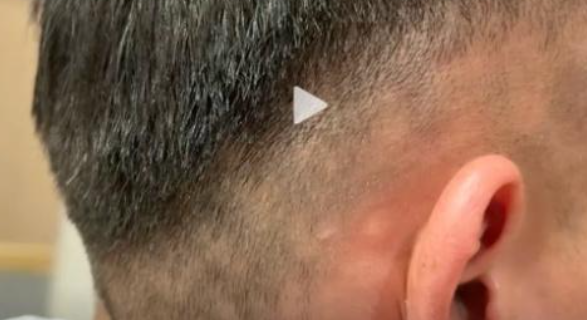
Syphilitic alopecia occurs in secondary syphilis and should not be ignored as common alopecia areata.
Syphilitic alopecia usually occurs on the scalp and may be accompanied by other symptoms of secondary syphilis such as rash, fever, lymphadenopathy, fatigue, muscle and joint pain. Ordinary alopecia areata is characterized by circular or oval areas of localized hair loss, smooth skin surface, no signs of inflammation, and can occur on the scalp, beard, or other hair growth areas of the body.
Syphilitic alopecia requires a blood test to diagnose syphilis. Ordinary alopecia areata is usually diagnosed by dermatologists based on medical history and scalp examination, sometimes requiring skin biopsy.
Therefore, if there is a risk of syphilis infection or suspected symptoms, it is important to undergo timely testing and consult a doctor. The detection of syphilis usually includes serological tests on blood, such as Rapid Plasma Reactive Protein (RPR) test or Treponema pallidum particle agglutination test (TPPA).
If the test result is positive or there are clinical symptoms indicating syphilis, the doctor will conduct further evaluation and treatment. The treatment of syphilis usually involves penicillin or other antibiotics, and if diagnosed and treated in a timely manner, syphilis can be cured.
How to prevent and avoid syphilis infection?
The key to preventing syphilis lies in safe sexual behavior and personal hygiene.
Using condoms can significantly reduce the risk of sexual transmission, and it is also important to limit the number of sexual partners and understand their sexual health status.
Regular sexual health check ups can help with early detection and treatment.
Avoid sharing needles and syringes with others to reduce the risk of blood transmission.
Maintaining good personal hygiene habits is always beneficial, even though syphilis is not transmitted through daily contact.
If you suspect that you are at risk of contracting syphilis or have related symptoms, seek medical attention immediately and do not hesitate to seek medical attention. Educating oneself and one’s partner about sexually transmitted diseases and taking preventive measures together is an effective way to protect oneself and others from syphilis infection.
In conclusion, syphilis is mainly transmitted through sexual contact and direct contact with the blood or bodily fluids of infected individuals. In daily life, as long as everyone can maintain good personal hygiene habits and choose service places with good hygiene conditions, the risk of contracting syphilis is very low.
If you are worried or uncertain about the risks of your behavior, or if you experience skin or physical symptoms, seeking medical advice and necessary examinations in a timely manner is the best way to protect yourself.