Our skin provides a natural protective barrier against the external environment, which is crucial for our health as it can protect us from the invasion of bacteria and viruses that can cause diseases. Once the skin barrier is damaged, pathogens can easily invade tissues and cause wound infections, inevitably disrupting the wound healing process and posing significant challenges to patients and healthcare providers. If these bacteria cause damage to the skin or other tissues, or if these bacteria have antibiotic resistance, they are particularly dangerous.
Staphylococcus aureus naturally exists in our nasal cavity and is carried by approximately 30% of the population, but most of them do not cause harm to the human body. However, when our skin barrier function is disrupted, Staphylococcus aureus can cause serious infections. The formation of biofilm is an important factor in causing Staphylococcus aureus infection. Biofilm is a growth mode formed by bacteria adhering to the surface of body tissues to adapt to environmental changes during their growth process, corresponding to planktonic bacteria. It is composed of bacteria and extracellular matrix. When Staphylococcus aureus adsorbs onto the surface of the skin, it may form a biofilm. Once the biofilm is formed, the bacteria are enveloped in the extracellular matrix, enhancing their resistance to the body’s immune clearance and antibiotic bactericidal effects, making it difficult to effectively remove and posing great health risks.
Bacteria within the biofilm can continue to grow and release into the bloodstream, causing chronic infections and recurrent infections after discontinuing antibiotics, leading to prolonged illness. If Staphylococcus aureus spreads into the bloodstream, it may cause sepsis, which is also the main cause of death in children with severe burns. Pseudomonas aeruginosa, also known as Pseudomonas aeruginosa, is another known pathogen that can form biofilms and is commonly found in infections at burn or wound sites. Pseudomonas aeruginosa is a normal gut microbiota, and in immunocompromised individuals such as burn patients, this pathogen can invade the skin, liver, and lungs and colonize.
Although antibiotics are widely used for wound treatment, resistance is common and infections persist. Therefore, scientists are actively seeking alternative solutions. In recent years, the role of probiotics in promoting wound healing has also received increasing attention. How do probiotics work? We first need to understand the process of wound healing.
The process of wound healing
Wound healing involves a series of complex mechanisms, typically simplified into four main stages: hemostasis, inflammation, hyperplasia, and skin remodeling. These processes promote the structural and physiological repair of the skin after injury, ensuring that it can serve as the primary defense barrier.
Hemostasis is the initial stage of wound repair, playing a crucial role in stopping bleeding and initiating a cascade of tissue repair events. Hemostasis involves several interrelated processes, including vasoconstriction, platelet activation, and coagulation, which work together to form stable blood clots at the site of injury.
Vascular endothelial cells contract when damaged, reducing the flow of blood to the affected area. At the same time, platelets adhere to the exposed extracellular matrix and are activated, releasing factors that promote further recruitment and aggregation of platelets. This stage is usually susceptible to infection as microorganisms can easily penetrate the damaged skin barrier and invade surrounding tissues.
The inflammatory stage will initiate a cascade reaction of wound healing, manifested by the influx of immune cells such as neutrophils and macrophages into the wound site. These cells release cytokines and growth factors, coordinating tissue repair and clearing debris and pathogens. Inflammatory factors are also involved in infection control, as microorganisms present in the damaged area can be detected and neutralized by host immune effectors. However, many wound pathogens can evade the host’s immune response and trigger wound infections, which may be acute and subsequently cleared. They may also establish persistent infections that are almost impossible to be cleared by the host’s immune system or classical antibiotic treatment.
In the proliferative stage of wound repair, the focus is on rebuilding tissue and filling the wound gap. A key aspect of the proliferative stage is the migration and proliferation of various cell types necessary for tissue repair. Fibroblasts play a crucial role in this process as they migrate to the wound and produce extracellular matrix components such as collagen, fibronectin, and proteoglycans, forming granulation tissue.
Endothelial cells also play a crucial role in the proliferative stage, promoting angiogenesis, forming new blood vessels, and restoring blood supply to wounds. Vascular endothelial growth factor and angiopoietin are key regulatory factors of angiogenesis, coordinating endothelial cell migration, proliferation, and angiogenesis. In addition, the epithelial cells at the edge of the wound reappear on the wound surface and restore the epithelial barrier through migration and proliferation.
The reshaping stage includes the maturation and reshaping of newly formed organizations to restore their structural integrity. Collagen fibers undergo cross-linking and rearrangement, while excess extracellular matrix is degraded by matrix metalloproteinases.
The presence of pathogenic microorganisms can interfere with the process of proliferation and remodeling in the wound area, often leading to delayed wound healing and improper tissue repair, resulting in long-term disability and patient discomfort.
Many classic wound pathogens are antibiotic resistant microorganisms, which is a serious global problem that increases the risk of medical related infections in hospitals and operating rooms. In addition, tolerant microorganisms that cause biofilm infections are another significant threat to the development of chronic and refractory wounds. Therefore, more effective methods are needed to address the challenges posed by such microorganisms, which is a global priority.
Currently, conventional antibiotic alternatives used to combat wound infections include phage therapy, antimicrobial peptides, oral and topical probiotics, antibody therapy, and antibacterial nanomaterials, among others.
As is well known, microbial communities can affect the normal physiology of host organs and systems, and disturbances in microbial community structure are associated with various disease etiologies. For example, oral microbiota can affect the homeostasis of healthy oral tissues and may affect the healing of oral wounds caused by maxillary sinus fistula and oral nasal fistula. In addition, oral microbiota can also have an impact on organs far from the digestive tract, as well as on overall health and disease.
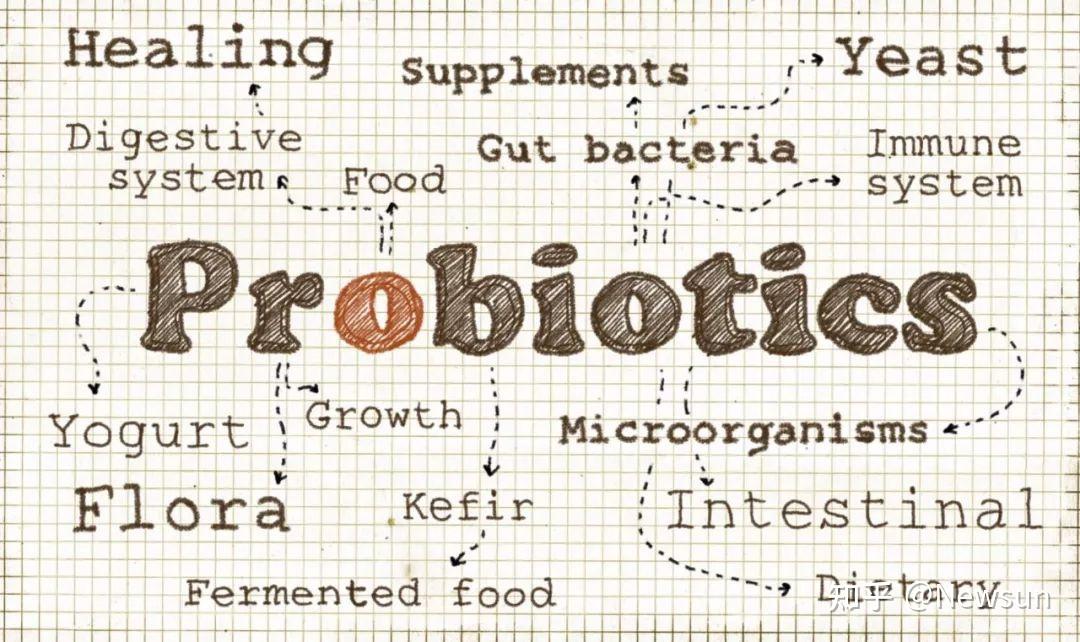
According to the Probiotics and Prebiotics Science Association, probiotics are active microorganisms that can be beneficial to health when consumed in sufficient quantities. Probiotics may promote wound healing by inhibiting pathogen attachment, competing for adhesion sites, nutrients, and other important resources, producing molecules that combat pathogens, exhibiting biological antagonistic activity, stimulating epithelial barrier function, and regulating immune responses. Many clinical trials, in vitro and in vivo animal model studies have shown that probiotics have the ability to improve tissue repair and regulate the host immune system.
Probiotics and wound healing
Probiotics play a very good role in promoting the healing of skin diseases, including chronic wounds, surgical wounds, diabetes foot ulcers, venous or arterial ulcers, oral wounds, atopic dermatitis, pressure sores, acne vulgaris, suppurative sweat adenitis, etc.
The most common microorganisms that cause skin diseases are bacteria that form biofilms, such as Pseudomonas aeruginosa, Escherichia coli, Streptococcus pneumoniae, Staphylococcus aureus, Escherichia coli, Klebsiella pneumoniae, Acinetobacter baumannii, and so on. Probiotics can inhibit the growth of potential pathogens and limit their biofilm formation by releasing molecules that interfere with the bacterial quorum sensing system and blocking the adhesion process of epithelial tissue, thereby improving the healing process.
Many in vitro cell and tissue cultures, animal models, and human studies have shown that probiotics can reduce the ability of pathogens to colonize by competing for substrate adhesion sites, nutrients, and growth factors, thereby having a beneficial effect on wound healing. Probiotics also interfere with bacterial quorum sensing signaling systems by producing lactic acid (which can lower the pH of the local environment) and other anti pathogenic molecules such as hydrogen peroxide and bacteriocins. These substances can destroy the most common chronic wound microbial pathogens or inhibit their virulence. In addition, another antibacterial mechanism is to regulate the production of antimicrobial peptides by host epithelial cells, adipocytes, and mast cells, thereby regulating skin integrity, reducing inflammation, and preventing adhesion and biofilm formation.
The most extensively studied probiotics include Lactobacillus plantarum, Lactobacillus acidophilus, Lactobacillus fermentum, Lactobacillus paracaseus, Lactobacillus rhamnosus, Lactobacillus bulgaricus, Lactobacillus reuteri, Lactobacillus salivarius, and Bifidobacterium lactis, which are ideal candidates for treatment. Lactic acid bacteria are Gram positive, microaerophilic, and non spore producing microorganisms that can benefit host health, especially skin health, by improving the regulation of the skin and mucosal immune system and maintaining skin homeostasis. In addition, studies have shown that certain species of Bacillus, Enterococcus, Streptococcus, or certain yeasts also have effective wound healing properties.
Oral probiotics and wound healing
Oral probiotics can indirectly affect wound healing through a series of systemic effects, such as increasing the absorption of minerals, vitamins, and co factors related to skin healing regulation, reducing inflammation, regulating the host’s immune system, and modulating microbiota composition. These effects will further promote the health balance of the host.
Studies have analyzed the effects of oral probiotics on thermal burns, surgical wounds, diabetes foot ulcers, oral mucosal damage and obstetric surgical wound healing.
Research has shown that oral supplementation of Lactobacillus casei is beneficial for the healing of obstetric surgical wounds. In a randomized double-blind clinical trial conducted on 74 primiparous women in Iran, participants who underwent lateral episiotomy (incision length equal to or less than 5 cm) were randomly divided into a probiotic group and a placebo group. The probiotic group was supplemented with Lactobacillus casei capsules at a dose of 1.5 × 10⁹ CFU once a day from the day of delivery to 14 days postpartum. As the main outcome of the study, wound healing is measured by redness, swelling, bruising, and secretions; Pain is a secondary indicator, measured using a visual analog scale before discharge and 5 ± 1 days and 15 ± 1 days after delivery. Research has shown that oral administration of Lactobacillus casei can effectively promote wound healing after lateral episiotomy of the external genitalia through its pro angiogenic and anti-inflammatory effects.
Another clinical trial investigated the potential therapeutic effect of probiotic tablets on oral wounds. Lactobacillus reuteri has been found to have wound healing properties, as it can limit local bacterial growth in oral mucosal injuries. The subjects of this study are 64 patients with pericoronitis after surgical removal of wisdom teeth. They were randomly divided into two groups: one group took tablets containing at least 2 × 10⁸ live Lactobacillus reuteri bacteria, three times a day for two weeks; The other group was the placebo group, who took tablets with the same appearance but no live bacteria. After wisdom tooth extraction, subjects taking probiotic tablets reported a significant reduction in swelling sensation and clinical symptoms were relieved.
A randomized double-blind clinical trial also revealed the beneficial effect of oral probiotics on diabetes foot ulcers. Studies have shown that the probiotic capsules containing Lactobacillus fermentans, Lactobacillus acidophilus, Lactobacillus casei and Bifidobacterium bifidum can shorten the length, width and depth of ulcers in patients with grade 3 diabetic foot ulcers every day within 12 weeks. In addition, supplementing probiotics can significantly reduce fasting blood glucose, serum insulin, and glycated hemoglobin levels, and significantly improve insulin sensitivity; Meanwhile, probiotics can significantly reduce serum total cholesterol, high-sensitivity C-reactive protein, and plasma malondialdehyde levels, and significantly increase plasma nitric oxide and total antioxidant capacity. In general, 12 week supplementation of probiotics for patients with diabetes foot ulcer has beneficial effects on ulcer size, blood sugar control, total cholesterol, high-sensitivity C-reactive protein, and total antioxidant capacity.
In addition, a randomized controlled prospective clinical trial involving 90 male pediatric patients under 2 years old undergoing hypospadias surgery investigated the efficacy of probiotic antibiotic combination therapy. The patients were randomly divided into three groups: the first group received treatment with antibiotics and oral probiotic drops containing Lactobacillus rhamnosus, once a day for 4-16 days, depending on the duration of antibiotic treatment; The second group only received antibiotic treatment; The third group is the placebo group, administered with a 5% glucose solution. This study provides evidence for oral probiotics as a measure to prevent antibiotic associated diarrhea and related clinical postoperative complications in pediatric patients. The probiotic group significantly reduced the frequency of dressing changes, duration of antibiotic associated diarrhea, and incidence of postoperative wound complications (including reconstructed skin fissures or fistulas). This result confirms that oral probiotics can serve as a supplementary therapy for the treatment of potential complications after hypospadias repair surgery intervention.
Supplementing probiotics to burn patients seems to improve inflammatory parameters as well. In a randomized double-blind closed label study of 23 severely burned patients, they were randomly divided into two groups. One group was supplemented with single strain probiotics containing Lactobacillus acidophilus or Bifidobacterium longum, while the other group was supplemented with multi strain probiotics including Lactobacillus rhamnosus, Lactobacillus plantarum, Lactobacillus acidophilus, Lactobacillus casei, Streptococcus thermophilus, Bifidobacterium brevis, and Bifidobacterium enterotoxum, once a day for 14 consecutive days. It was found that oral administration of single strain probiotics and multi strain probiotics can significantly enhance immune response by reducing neutrophil and leukocyte levels. In addition, probiotics can limit the growth and biofilm formation of some known burn pathogens, while indirectly promoting wound healing.
Severe burns are also associated with systemic inflammation and even sepsis. Probiotics can have beneficial effects on burn patients by regulating intestinal barrier function and reducing inflammation. Immunoglobulin IgA, as an anti-inflammatory antibody, and interleukin IL-6, as a pro-inflammatory mediator, are released in large quantities in burn patients. A randomized double-blind trial conducted in a hospital burn center investigated the effects of single and multiple strains of probiotics on IgA and IL-6 levels in severely burned patients. Severe burn patients with a burn area greater than 20% of the total body surface area were randomly divided into two groups: the first group was supplemented with single strain probiotics containing Streptococcus thermophilus, Lactobacillus acidophilus, or Bifidobacterium longum, and the second group was supplemented with multi strain probiotics including Streptococcus thermophilus, Bifidobacterium brevis, Bifidobacterium longum, Lactobacillus rhamnosus, Lactobacillus delbrueckii, and Lactobacillus acidophilus, once a day for 14 consecutive days. The results showed that patients supplemented with single strain probiotics and multi strain probiotics had significantly increased IgA levels, but no significant decrease in IL-6 levels.
As more and more evidence suggests that probiotics have significant effects in promoting wound healing, their role in postoperative rehabilitation is also receiving increasing attention, as they can promote the healing process by preventing postoperative or surgical site infections, increasing colon and intestinal motility, and reducing postoperative complications. A randomized clinical controlled trial conducted on 103 patients with multiple traumas requiring surgical intervention showed that oral supplementation of probiotic capsules including Lactobacillus plantarum UBLP-40, Lactobacillus acidophilus LA-5, Saccharomyces boulardii Unique-28, and Bifidobacterium lactis BB-12 significantly reduced the incidence of surgical site infections.
Local application of probiotics and wound healing
Since 1912, local application of probiotics has been used as an alternative to antibiotics for treating skin infections. Local application of probiotics can improve wound healing by promoting skin tissue repair and reducing bacterial growth and biofilm formation.
Local application of probiotics has been proven effective for burns, skin ulcers, or surgical wounds. Some of these studies were conducted in animal models, including rats, mice, or pigs, where researchers inoculated known wound associated microorganisms, including Staphylococcus aureus, Pseudomonas aeruginosa, Acinetobacter baumannii, and Escherichia coli, into wounds, and then locally applied probiotics, probiotic metabolites, or fermentation supernatants.
The level of ceramides in keratinocytes is related to a healthy skin lipid barrier, and probiotics can promote sustained healing processes by increasing the synthesis of ceramides in keratinocytes. In addition, the production of acids and antibacterial molecules can exert antibacterial effects on pathogens typically associated with wound infections.
In addition, a novel human plasma biofilm model was used to systematically analyze the effects of three probiotics on the survival of five clinically relevant pathogens. Each biofilm consists of 1.5 ml of plasma solution with 1 × 10 ^ 6 cfu/1.5 ml of pathogen added. They are mixed and incubated at 37 degrees to stimulate the production of fibrin scaffolds, forming a stable biofilm that integrates pathogenic bacteria. Five clinically relevant pathogens include Pseudomonas aeruginosa, Staphylococcus aureus, Staphylococcus epidermidis, Enterococcus faecalis, and Candida albicans. After incubating probiotic plants such as Lactobacillus, Bifidobacterium lactis, or brewing yeast on biofilms for 4 and 24 hours, it was found that probiotics have different growth inhibitory abilities against pathogenic bacteria. Bifidobacterium lactis and brewing yeast have slight antibacterial properties, and the survival of Candida albicans is completely unaffected. Lactobacillus plantarum has the highest antibacterial activity, and all evaluated wound related pathogens are significantly inhibited.
The mechanism of probiotics promoting wound healing
Although probiotics have been proven effective in treating wound infections, their underlying mechanisms in wound healing are not fully understood. Recent research has mainly focused on the clinical application of probiotics in chronic wound infections by enhancing angiogenesis and epithelial formation, regulating inflammatory processes and immune responses, promoting tissue repair, and limiting pathogen colonization.
Wound healing is a physiological process that occurs in the body due to injury, and many types of cells are involved in this process. Tissue repair requires more steps: (1) homeostasis/inflammation stage: reducing damage by closing the wound and clearing cell debris and pathogens; (2) Hyperplasia stage: epithelial regeneration and angiogenesis; (3) Maturity and reshaping stages. If for some reason the wound fails to heal within 4-6 weeks, it indicates a chronic wound that does not heal according to the usual stages and predictable time of wound healing. The colonization of bacteria and the formation of bacterial biofilms in the wound site or surrounding tissues are factors that promote and maintain chronic wounds. For successful healing, it is usually recommended to use antibacterial methods. Due to the alarming increase in antibiotic resistance, probiotics represent a possible solution, not only because they possess certain anti pathogenic mechanisms, but also because they can promote tissue repair.
The presence of a large number of microorganisms in the wound can hinder healing. The more microorganisms on a wound, the harder it is to heal. In addition, when tissues are damaged, the microbiota may undergo changes, and some pathogenic species may overgrow, exacerbating the damage. As is well known, one of the fundamental characteristics of probiotics is their ability to compete with pathogenic microorganisms for nutrients and adhesion sites on the host mucosa. Their species-specific antagonistic activity can inhibit the colonization of pathogenic species. In addition, their antibacterial activity is partially mediated by the production of lactic acid, leading to matrix acidification, and some probiotic strains can also produce bacteriocins.
Inflammation can also occur during the wound healing stage. Probiotics typically act as immune regulatory triggers to maintain the influx of inflammatory cells, including macrophages and polymorphonuclear leukocytes, at the wound site. They produce extracellular polysaccharides with immunostimulatory activity, which stimulate the production of cytokines and chemokines. In both cases, the result is an influx of neutrophils and macrophages towards the site of infection. The phagocytic process is also stimulated, which reduces the growth and attachment of pathogens, leading to a decrease in wound bacterial load. In addition, inflammation increases and accelerates the process of epithelial regeneration. Probiotics also exert their antibacterial activity by regulating the production of antimicrobial peptides by skin cells, regulating the composition of skin microbiota and improving skin integrity.
Probiotics can also affect, at least indirectly, the proliferative stage of wound healing, stimulating epithelial regeneration and angiogenesis in damaged tissues. The presence of probiotics stimulates the pro-inflammatory M1 macrophage phenotype, which immediately converts to M2 type, promoting anti-inflammatory responses in angiogenesis and epithelial formation. If the initial pro-inflammatory response is necessary for eliminating microorganisms and clearing foreign compounds, then in the second stage of wound healing, the regression of neutrophils and macrophages is necessary for scar healing. The characteristic of epithelial formation stage is organized collagen deposition, where type III collagen is replaced by type I collagen, which is more suitable for the composition of healthy dermis and has higher tissue strength. The formation of new blood vessels is a necessary condition for ensuring sufficient nutrient supply, immune cells, and oxygen to ensure normal epithelial formation process.
Many animal model studies have demonstrated the effects of probiotics. The collagen levels and capillaries in wounds treated with Kefir increased, leading to earlier reconstruction of normal tissues. The injection of lactobacilli into acute wounds determines the proliferation of new blood vessels. Some bacteriocins have also been shown to be associated with angiogenesis, cell migration, and the formation of thick upper cortex. Certain strains of lactobacilli, such as Lactobacillus rhamnosus and Lactobacillus plantarum, can promote angiogenesis by upregulating the expression of vascular endothelial growth factor (VEGF) and/or epidermal growth factor (EGF). A study on diabetes rats found that oral probiotics could reduce the wound area by increasing the deposition of type I collagen and the formation of new blood vessels.
Remodeling is the final stage of the wound healing process. At this stage, granulation tissue matures and transforms into scars with tensile strength but also elasticity. Matrix metalloproteinases break down type III collagen and replace it with type I collagen, further reorganizing into parallel fibrils and forming scars with low cellular structure. Probiotic strains such as Lactobacillus plantarum and Streptococcus thermophilus can initiate type III collagen synthesis and deposition earlier by transforming the growth factor TGF – β, and then replace it with type I collagen. In addition, lactobacilli can accelerate the migration and proliferation of keratinocytes.
In various mouse models, Lactobacillus plantarum, Lactobacillus casei, and Lactobacillus rhamnosus can reduce the levels of inflammatory cytokines and increase the production of anti-inflammatory cytokines. In addition, after infecting mice with certain pathogens, these probiotics can reduce C-reactive protein levels, which means they can alleviate inflammatory reactions. When different formulations containing these strains are used, the wound area is reduced and the healing process is faster.
Although Enterococcus faecalis is one of the most common bacteria in wounds, it can regulate host immunity, promote persistent infection, and delay wound healing, certain strains of Enterococcus are also considered probiotics. For example, heat killed Escherichia coli KH2 can stimulate the production of tumor necrosis factor TNF – α, interleukin IL-6, transforming growth factor TGF – β 1, and vascular endothelial growth factor (VEGF), accelerating epithelial regeneration and granulation tissue formation.
In rats with skin infections induced by Staphylococcus aureus, local application of Saccharomyces boulardii has the potential to promote healing by competitively repelling colonized pathogens and enhancing the expression of antimicrobial peptide genes.
Streptococcus thermophilus is another probiotic with the potential for wound healing, as it possesses anti pathogenic properties and can combat many opportunistic pathogens associated with wound infections. The results of mouse experiments showed that wounds treated with Streptococcus thermophilus had a milder degree of inflammation. The earlier the inflammatory phase ends, the shorter the proliferative phase will begin, therefore, the entire wound healing process will take less time. Both micro and macro results show that probiotics can significantly improve the speed of wound healing.
Bacteriocins are antimicrobial peptides produced by bacteria that can eliminate other bacteria and provide a competitive advantage in nutrition or habitat for bacterial strains that produce bacteriocins. Due to its different mechanism of action from antibiotics, it is effective against both antibiotic sensitive and antibiotic resistant bacteria. Nisin is an antimicrobial peptide produced by Gram positive bacteria Streptococcus and Streptococcus. Recent research results have shown that lactobacillus streptomycin, together with kanamycin, helps reduce cytokine production, control local inflammation, and accelerate wound healing in rats. Nisin Z can also regulate innate immune responses by inducing chemokine synthesis and inhibiting LPS induced pro-inflammatory cytokines. In addition, lactostreptomycin can also be used to improve the design of wound dressings. Nisin A, a lactostreptomycin, has been shown to have immunomodulatory effects and can improve the wound healing process by increasing the fluidity of skin cells, inhibiting the action of lipopolysaccharides, and suppressing the growth of pathogens.
Kefir is a natural probiotic fermented product with a long history, which can enhance the proliferation and migration of human dermal fibroblasts. In addition, in a rat burn model, supplementing with kefir can reduce the expression of IL-1 β and TGF – β 1. Kefir can also promote angiogenesis, increase the migration and proliferation of fibroblasts, and improve the formation of fibrous connective tissue in wounds. Therefore, Kefir can accelerate the healing of burn wounds.
summary
Wounds are injuries to the skin or damage to body tissues, and the healing process varies for different types of wounds. Treating chronic wounds that are difficult to heal is a challenge for healthcare practitioners, especially if patients have potential health complications, such as diabetes. Wound infection is another factor that interferes with the healing process and prolongs its duration. Infection caused by opportunistic pathogens can promote persistent infection and is the main cause of delayed wound healing.
Probiotics have attracted much attention due to their beneficial effects on the human body and can be used to treat various diseases. Due to their significant anti pathogen, anti biofilm, and immune regulatory effects, they also have the ability to accelerate wound healing. Probiotics can be widely used in the prevention and auxiliary treatment of surgical wound infection, burn wound, oral mucosa injury, diabetes foot ulcer and other frequently complicated wounds with microbial infection. Numerous tissue cultures, animal and human clinical trials have revealed the beneficial effects of oral and topical probiotic preparations in promoting wound healing.
Nowadays, people are actively researching and developing advanced wound dressing technologies with the aim of managing exudate, reducing bacterial infections, and accelerating the healing process. The immune regulatory response and antibacterial activity of probiotics are playing an increasingly important role in the development of improved wound dressing technology.
The skin microbiota plays an important role in wound healing, but skin injuries are highly susceptible to wound infections, leading to the destruction of the skin microbiota. However, traditional antibacterial hydrogels can simultaneously eliminate probiotics and pathogenic bacteria, and destroy the balance of skin flora. Therefore, it is important to develop a wound dressing that can resist foreign pathogenic bacteria while maintaining stable skin microbiota.
Inspired by the treatment of living bacteria, researchers designed a probiotic hydrogel, which has high vitality to promote wound healing. The probiotics encapsulated in hydrogel have the activity of promoting wound healing, and the extracellular polysaccharide of hydrogel matrix has the prebiotic activity of promoting the proliferation and metabolism of probiotics. During wound healing, probiotic hydrogel will release lactic acid and acetic acid, inhibit the growth of pathogenic bacteria, and maintain the balance of thick wall bacteria and proteus bacteria at the phylum level, thus maintaining the stability of skin flora. The results showed that the active probiotic hydrogel could reduce the incidence of inflammation during wound healing, promote angiogenesis and increase collagen deposition. The addition of probiotics and prebiotics to wound dressings should be the primary candidate for designing wound healing treatments to combat infections and promote healing processes, which may help prevent and treat drug-resistant wound infections in acute and chronic patients.