For many people, autumn and winter are particularly difficult to endure, with a large temperature difference between day and night, causing their throat to become hot, itchy, coughing, and phlegm to accumulate Respiratory diseases are constantly playing out like TV dramas.
So why is the respiratory tract so fragile in winter?
Let’s first analyze the structure of the respiratory tract.
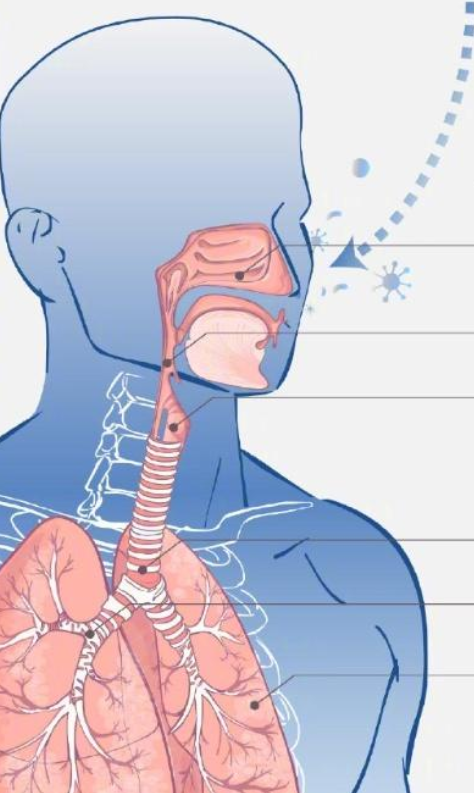
The passage through which gas passes during breathing is called the respiratory tract, which is divided into upper and lower parts. The upper respiratory tract includes the mouth, nose, pharynx, and larynx, while the lower respiratory tract is composed of the trachea, bronchi, and lungs.
Gas exchange is the main function of the respiratory system, providing sufficient oxygen to the whole body while eliminating carbon dioxide produced in the body, ensuring normal metabolism. In addition, the respiratory system has three lesser known functions:
Defense function:
When air passes through the nasal cavity, it filters out most harmful substances such as viruses, bacteria, particles, allergens, etc. through nasal hair and nasal heating; When passing through the trachea and bronchi, the ciliary mucus system acts like a carpet, further adsorbing particles in the air and expelling foreign objects and abnormal secretions through coughing, sneezing, and other forms; When the air reaches the alveoli, lung macrophages will engulf the dust and bacteria that enter the alveoli, and lymphocytes, neutrophils, etc. will also assist in purifying the air, greatly reducing the risk of infection and damage caused by the air.
Neuroendocrine function:
Can secrete some essential active substances for the body.
Blood filtration function:
The pulmonary capillaries can filter suspended particulate matter in venous blood to a certain extent, preventing it from flowing into organs such as the brain and kidneys through the heart, in order to protect other important organs.
After catching a cold, the ciliary oscillation speed of the mucosal epithelium will slow down, and in severe cases, it may even fall off, leading to an increase in airway secretions and a decrease in defense function.
Therefore, many respiratory diseases start with catching a cold.
Especially in winter, the upper respiratory tract is prone to dryness, and the ciliary motility of airway epithelial cells also decreases accordingly. Cilia are delicate and fragile, and a single respiratory infection can significantly reduce their function, which takes about 2 months to recover. If you smoke, drink alcohol, or suffer from respiratory diseases such as bronchitis for a long time or in large quantities, the cilia will deform and dry up.
Winter Respiratory Disease Prevention Notice
Respiratory tract infection refers to infections caused by pathogens such as viruses, bacteria, fungi, parasites invading the human respiratory tract. Clinical manifestations include coughing, sputum production, sneezing, runny nose, sore throat, fatigue, fever, and overall body aches.
upper respiratory tract infection
Pathogens such as viruses, bacteria, fungi, parasites, etc. invade the nose, throat, and larynx, causing acute inflammation, such as common cold, influenza, viral pharyngitis, herpetic pharyngitis, pharyngitis, bacterial pharyngitis, etc.
Lower respiratory tract infection:
Diseases caused by pathogens such as viruses, bacteria, fungi, parasites invading the trachea and bronchi. Including bronchitis, pneumonia, etc.
susceptible person
Elderly and children with weakened immune systems, as well as those with chronic respiratory diseases such as asthma, chronic obstructive pulmonary disease, nasal sinusitis, tonsillitis, etc.
Exposure to rain, cold, overwork, mental stress, malnutrition, and other factors can lower immunity and increase the risk of respiratory infections.
Some coughs are caused by the respiratory tract undergoing self repair
Coughing after infection is a respiratory symptom caused during the repair process of airway inflammation. The respiratory tract is the most exposed organ in the body to external stimuli, such as cold, heat, dryness, and infection. But the lungs cannot feel heat or cold, there is no pain or touch, and the biggest response to injury is coughing.
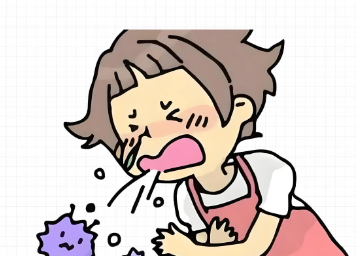
When the airway is stimulated, neural reflexes cause the body to produce a series of movements:
The glottis is tightly closed, and the respiratory muscles rapidly contract to produce exhalation movements;
Due to the closure of the glottis, it is difficult to exhale, causing a sharp increase in pressure in the chest cavity, which then opens the glottis;
Gas is ejected at high speed, carrying out the “bad” things in the trachea – this is the protective defense mechanism of the lungs.
Therefore, coughing is not necessarily “sick”, and coughing when sick is not necessarily a bad thing. It can help people eliminate bacteria from the body, which is beneficial for improving the condition.
Protecting the respiratory tract starts with details
Winter is a high-risk period for many respiratory diseases, and protecting the respiratory tract should start with daily details.
- Ensure protein intake
Poor resistance can easily trigger respiratory system diseases, and adequate protein intake is an important part of preventing a decrease in resistance. It is recommended to consume sufficient amounts of lean meat, eggs, fish, soy products, etc.
- Pay attention to keeping warm
Cold air can irritate the respiratory tract and weaken the defense function of the upper respiratory mucosa, so it is necessary to avoid getting cold, especially to protect the neck, abdomen, and feet.
- Consume sufficient water
The respiratory tract requires an appropriate amount of moisture to maintain healthy and normal functions, especially during dry autumn and winter seasons, as well as prolonged exposure to low humidity air-conditioned environments. When the respiratory tract is dry, itchy, uncomfortable, or has excessive phlegm and coughing, water is the best cough suppressant.
- Regular exercise
Regular exercise can effectively promote respiratory health, as well as enhance physical fitness, improve cold resistance and body resistance. Moderate exercise in winter, just a little sweating is good.
- Pay attention to air circulation
Places with few people and poor air circulation. Indoors, it is necessary to ensure air circulation, freshness, and a certain degree of humidity, because in a closed environment, insufficient oxygen and bacterial accumulation can increase the risk of respiratory diseases. If encountering hazy weather, it is best not to open windows for ventilation.
- Vaccine prevention
Elderly people and special populations with chronic diseases should receive influenza vaccines before the outbreak of influenza to prevent respiratory diseases caused by viral infections.