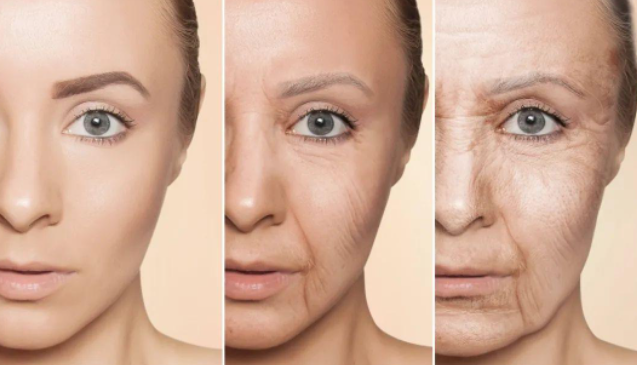
The skin is the largest organ in the human body, with an adult skin surface area of approximately 1.5-2 square meters, accounting for about 10% of our body weight. The skin is also a mirror of human aging. As our skin becomes thinner, it is more susceptible to damage and loss of elasticity, and may sag and wrinkle.
More and more studies have found a close relationship between dietary choices and skin aging. Skin aging is particularly affected by oxidation, inflammation, and glycosylation processes, and dietary choices play an important role in changing these processes for everyone. Specifically, certain dietary patterns, foods, and nutrients enhance or counteract these processes.
There is ample evidence to suggest that there are differences in the rate of skin aging development among certain populations. Multiple large-scale research reports have shown that people with healthier eating habits tend to have fewer fine lines and wrinkles, while studies on other populations have also documented a correlation between a healthy diet and less pigmentation changes, as well as less skin atrophy and dryness. A study of more than 500 non diabetes subjects found that, with the increase of blood sugar level, the perceived age is also increasing, that is to say, they look older than their peers.
Pathophysiology of skin aging
Skin aging is a very complex process, and although our understanding of this process is not yet complete, existing research has shown that the complex interactions of oxidation, inflammation, and glycosylation play a major role in it. These are highly influenced by diet.
Ultraviolet radiation is the main cause of exogenous skin aging. Ultraviolet radiation has multiple direct effects on the skin and can also have many downstream effects. Ultraviolet radiation can directly damage DNA and cause oxidative stress, thereby increasing the production of free radicals, especially reactive oxygen species, which can cause additional DNA damage and damage structural proteins (collagen and elastin) and their enzymes. Ultraviolet radiation can also induce peroxidation of cell membrane lipids.
Metabolic processes, pollution, smoking, and other factors can also lead to oxidative stress. Due to continuous exposure, the body’s defense mechanisms are designed to withstand the destructive effects of free radicals. The endogenous antioxidant defense system includes antioxidant enzymes such as superoxide dismutase, glutathione peroxidase, and catalase. The epidermis and dermis also contain antioxidant defenses, including vitamin C, vitamin E, carotenoids, selenium, etc. Although these are important components of the body’s endogenous defense system, they need to be continuously supplemented from the diet.
Photooxidative stress can also activate multiple inflammatory pathways, leading to chronic inflammation, affecting the clinical and molecular characteristics of aging, and promoting the occurrence of skin tumors. The activation of these pathways will ultimately increase the expression of some matrix metalloproteinases. Matrix metalloproteinases contain many different enzymes, including collagenase. They work together with elastase to reshape the extracellular matrix, leading to the fragmentation of collagen and elastin fibers that provide structural support and elasticity to the skin. Ultraviolet radiation can also lead to a decrease in the expression of tissue metalloproteinase inhibitors, which typically inhibit the destruction of the extracellular matrix.
Oxidative stress can also activate other inflammatory pathways, including pathways that promote the release of inflammatory cytokines and prostaglandins. The induction of pro-inflammatory genes leads to the release of inflammatory mediators, including IL-1, IL-6, and TNF – α, from keratinocytes, fibroblasts, white blood cells, and other cells. These further exacerbate the impact of chronic inflammation.
Glycosylation is another factor that accelerates skin aging. Glycosylation and photoaging are different, but they are closely related. Glycosylation refers to the non enzymatic process in which sugar molecules covalently bind to proteins, lipids, or nucleic acids. The products produced are called advanced glycation end products or glycotoxins. Late glycation end products are a heterogeneous group of molecules, and the widely present late glycation end product in the human body (including skin) is carboxymethyl lysine.
Glycosylation is an important factor in atherosclerosis, kidney disease, diabetes complications and other diseases. It also plays an important role in skin aging. The accumulation of advanced glycation end products in the skin can lead to typical structural and functional changes, directly causing skin dullness, sagging, sagging, wrinkles, and so on. We can understand “glycosylation” in layman’s terms as a process in which a piece of raw meat is gradually eroded by sugar, then turns yellow and hard, and shrinks. Overly glycosylated skin is like burnt meat, and researchers vividly call the damage of glycosylation to the skin “sugar sag”.
Advanced glycation end products have a significant impact on collagen and elastin fibers, which are responsible for maintaining the skin’s structural framework and providing skin elasticity. Glycation leads to cross-linking of collagen between molecules, resulting in increased hardness and susceptibility to mechanical stimulation. In addition, cross-linked collagen cannot be repaired. Collagen is highly sensitive to glycosylation, and glycosylation can increase by up to 50% over a lifetime.
Glycosylation is also closely related to oxidation and inflammation. Glycosylation increases the production of reactive oxygen species, further accelerating oxidative damage. In addition, advanced glycation end products can also bind to a special cell surface receptor called advanced glycation end product receptor. When this receptor is activated, it triggers some cellular signaling pathways that further promote inflammation and changes in cytokine expression.
Nutritional strategies targeting key processes of skin aging

Research has shown that dietary components can affect these skin aging processes. The skin is usually considered the largest organ in the body and therefore plays an important role in defense. The skin barrier and its accompanying complex immune defense play an important role in resisting ultraviolet radiation, physical shocks, temperature changes, irritants, allergens, microorganisms, and other factors. In fact, it can be said that our skin is constantly under attack. Due to these ongoing threats, the skin barrier has many complex built-in defense and repair mechanisms.
Dietary factors can support or disrupt these mechanisms. In other words, certain dietary patterns, foods, and nutrients have the potential to accelerate or combat skin aging.
oxidation
Antioxidants are a key feature of the human body’s resistance to free radical invasion. They can neutralize reactive oxygen species and upregulate enzyme genes encoding these species. Antioxidants in the diet can have beneficial effects on the skin. For example, some animal studies have shown that oral antioxidants, including vitamin C, vitamin E, beta carotene, selenium, etc., play an important role in skin photoprotection.
Human intervention studies have also demonstrated these benefits. In a randomized controlled trial, daily intake of tomato sauce for 10 consecutive weeks significantly reduced UV induced erythema formation, while another study recorded histological improvements. Other human intervention studies have also reported the benefits of antioxidants such as green tea polyphenols, cocoa flavonoids, and resveratrol in the diet. The clinical, histological, and biochemical benefits of these dietary antioxidants include reducing erythema, DNA damage, inflammatory markers, extracellular matrix damage, and more.
Although single nutrients such as vitamins, minerals, and plant nutrients can act as antioxidants, food can provide multiple antioxidants simultaneously. A study evaluated the total antioxidant capacity of over 3100 foods and found that herbs and spices contain the highest amount of antioxidants. Berries, fruits, and vegetables also contain many antioxidants.
It is worth noting that although dietary antioxidants may be beneficial, high-dose antioxidant supplements may have the opposite effect. The best way is to directly consume natural foods rich in antioxidants.
inflammation
Diet also plays an important role in the regulation of inflammation. For example, some phytochemicals may specifically block the inflammatory pathway that activates NF – κ B, including turmeric, cloves, ginger, garlic, etc. This pathway affects matrix metalloproteinases and collagen remodeling. In fact, researchers have shown that compounds in garlic can inhibit UV induced wrinkle formation in mice. This is achieved by regulating NF – κ B to reduce matrix metalloproteinases and collagen fiber damage.
Multiple studies have described the effects of dietary patterns, foods, and nutrients on inflammatory biomarkers. A review article specifically studied the effect of dietary patterns on high-sensitivity C-reactive protein (hsCRP), which is an inflammatory marker and an independent risk factor for coronary heart disease. Multiple dietary patterns have a certain impact, including the DASH diet (Stop Hypertension diet or Deshu diet) and the Mediterranean diet.
Researchers evaluated the effects of food and nutrients on major inflammatory biomarkers. If a nutrient increases the levels of IL-1 β, IL-6, TNF – α, or C-reactive protein, or decreases the levels of IL-4 or IL-10, it is considered pro-inflammatory. Researchers have developed a scoring system called the ‘Dietary Inflammation Index’, which is simple and straightforward. The more pro-inflammatory foods we eat every day, the higher our score, while the more anti-inflammatory foods we eat, the lower our score. Our goal is to have a negative overall score, and if we eat more anti-inflammatory foods than pro-inflammatory foods, we can achieve this goal. In other words, it is an anti-inflammatory diet.
Generally speaking, a high-fat, high sugar, and highly processed diet is pro-inflammatory, while foods rich in dietary fiber and plant nutrients are strongly anti-inflammatory. The foods with the most obvious anti-inflammatory effects include turmeric, green/black tea, ginger, garlic, and onions, as well as nutrients such as dietary fiber, magnesium, vitamin D, and omega-3 fatty acids. Highly anti-inflammatory plant nutrients include flavonoids, isoflavones, beta carotene, and flavonols.
glycosylation
The accumulation of advanced glycation end products in the body has two main sources: the first is endogenous production under high blood sugar conditions; The second method is to consume foods containing pre formed late glycation end products, also known as dietary late glycation end products.
Therefore, nutritional strategies to limit tissue damage caused by advanced glycation end products mainly focus on three aspects: the first is to pay attention to dietary patterns, foods, and compounds that restrict hyperglycemia; The second is to focus on foods and compounds that restrict glycosylation biochemical processes; The third is to limit the intake of advanced glycation end products in the diet. A diet rich in antioxidants and anti-inflammatory foods can also play a role, as oxidative and inflammatory processes are closely related to glycosylation.
Firstly, limit high blood sugar levels
Improving blood glucose control is a key strategy to limit the production of advanced glycation end products. In an experimental study, improving blood glucose control in human volunteers significantly reduced new collagen glycation over a period of 4 months. In fact, a key principle of anti aging skin diet is to prevent diabetes.
The dietary strategies supported by research include low glycemic load diet, focusing on foods with low glycemic index and food portions. The proven beneficial types and components of food include dietary fiber, monounsaturated fatty acids, fruits, vegetables, and so on. Eating order (early intake of protein) and drinking vinegar during meals are also beneficial. The highly hopeful specific foods include garlic, onions, nuts, turmeric, cinnamon, fenugreek, and other spices.
Secondly, foods and compounds that restrict the glycosylation process
Many dietary compounds have the ability to inhibit the biosynthesis of advanced glycation end products, some of which limit glycation through their antioxidant properties, while others act through other mechanisms such as capturing active intermediates.
Foods such as cinnamon, garlic, ginger, cumin, black pepper, rosemary, green tea, and tomato sauce have been proven to have significant anti glycation activity. Beneficial plant nutrients include flavonoids such as luteolin, quercetin, and rutin, as well as phenolic acids such as ferulic acid, chlorogenic acid, and vanillic acid. Curcumin can inhibit the cross-linking of collagen; Green tea extract can reduce the formation of advanced glycation end products and inhibit collagen cross-linking.
A study specifically evaluating the anti glycation potential of polyphenols in herbs and spices found that the most effective spices are cloves and cinnamon, while effective herbs include sage, magnolia, gentian, and rosemary. Researchers have pointed out that the level of inhibition is related to the total phenolic content. A study evaluating the spices used in European cuisine also found similar findings, with star anise, cinnamon, cloves, and basil exhibiting strong anti glycation activity.
Thirdly, reduce the intake of advanced glycation end products in the diet
The dietary strategies that restrict the intake of pre formed late glycation end products mainly focus on three aspects, including the types of food, cooking methods, and the use of components that alter the production of late glycation end products.
Meat products are rich in fat and protein, and are the foods with the highest content of late glycation end products in the diet. Moreover, they are particularly prone to producing new late glycation end products during cooking, and the late glycation end products of high-fat cheese are relatively high. In contrast, fruits, vegetables, and whole grains rich in dietary fiber have lower levels of advanced glycation end products.
Cooking methods have a significant impact on the production of advanced glycation end products. Dry heat cooking methods, such as grilling and frying, can increase the level of advanced glycation end products by 10-100 times. Strategies to reduce the production of advanced glycation end products include wet heat cooking methods such as steaming and boiling, as well as low-temperature cooking and short-term cooking. It is worth noting that even when cooked, the late glycation end products of foods such as fruits, vegetables, and whole grains are relatively low.
Another strategy is to marinate with ingredients such as lemon juice and vinegar before cooking, which can significantly reduce the production of advanced glycation end products in the diet.
Imbalance of gut microbiota
The gut microbiota can affect inflammation status, skin barrier function, and skin aging characteristics.
Bacteria in the gut typically produce vitamins that contribute to skin health and help us absorb nutrients from food. Without healthy gut bacteria, we cannot produce and obtain certain nutrients that our skin needs.
The gut microbiota is also considered an important factor in inflammation, as it produces short chain fatty acids to combat inflammation that causes skin aging. Without healthy gut bacteria, we may also have more pro-inflammatory bacteria directly leading to skin aging. If we have too many harmful bacteria in our bodies, they may produce various harmful substances that exacerbate inflammation.
Diet is the foundation of a healthy gut microbiota, especially natural foods rich in prebiotics such as dietary fiber, which are beneficial for supporting the growth of beneficial gut microbiota. Fermented foods containing active beneficial microorganisms may also play a role. Additionally, the most important thing is to eat less high sugar, highly processed, and low fiber foods to avoid damaging the gut microbiota.
Foods that affect matrix metalloproteinases
Collagen enzymes and elastase play important roles in the remodeling of extracellular matrix, leading to loss of skin elasticity, wrinkles, and sagging. Some foods and nutrients can block the activity of collagen protease, such as green tea, white tea, and pomegranate, while ginger and spices such as turmeric, cinnamon, and nutmeg can also inhibit elastase. Foods with anti-inflammatory properties, such as curcumin, omega-3 fatty acids, and garlic, may ultimately lead to a decrease in matrix metalloproteinase levels by blocking the inflammatory pathway.
summary
Many studies have demonstrated the link between diet and skin aging. Unhealthy diet can enhance oxidative, inflammatory, and glycation processes, accelerating skin aging; A healthy diet can counteract these processes and prevent the skin from aging too quickly. For those who wish to promote healthy aging of their skin, we recommend:
- Eat foods rich in powerful nutrients
Foods rich in antioxidants, including vegetables, fruits, green tea, etc., are also anti-inflammatory foods;
Various herbs and spices are rich in antioxidants and anti-inflammatory substances. Many also exhibit anti glycation properties;
Healthy sources of carbohydrates, which are naturally rich in dietary fiber, plant nutrients, and/or protein, such as legumes and whole grains;
Healthy sources of fat, such as nuts, seeds, and high-fat fish;
Probiotic foods, such as vegetables and whole grains, support a healthy gut microbiota;
Foods rich in probiotics, including fermented foods, may contribute to the health of gut microbiota in certain situations.
- To prevent blood sugar spikes, focus on avoiding high blood sugar dietary patterns: limit the intake of added sugars and refined carbohydrates, include dietary fiber in every meal, and follow other recommendations to keep blood sugar levels within a healthy range.
- To prevent skin damage, avoid dietary patterns and foods known to cause collagen breakdown, including avoiding high blood sugar and foods containing large amounts of pre formed late glycation end products, such as bacon and grilled meat.