Antarctica, a pure land with thrilling beauty and deep secrets.
From the beginning of the 20 th century to the eve of World War I, human beings set foot on the south magnetic pole and the south pole successively, which was a magnificent epic praised by later generations as the “heroic era”. In 1901, British Captain Scott led an expedition and drove a sledge to 82 ° 7 ‘south latitude and 163 ° 30’ east longitude, completing a series of groundbreaking scientific observations.
On December 14 th, 1911, Norwegian explorer Amundsen finally planted the Norwegian flag on the South Pole after crossing 1,500 kilometers of ice sheets. He camped here, set up an observatory, and observed the sun for 24 hours.
A month later, Captain Scott’s team reached the extreme after many hardships, but unfortunately, it was completely annihilated on the way home. Even at the last moment of their lives, they still guarded rock specimens weighing more than ten kilograms, and wrote the most tragic page for the history of Antarctic exploration with their lives.
In just a hundred years, more than 40 countries have established more than 100 scientific research stations in Antarctica, including China’s Great Wall Station, Zhongshan Station, Taishan Station and Kunlun Station. On February 7, 2018, the foundation stone of Ross Sea New Station, China’s fifth Antarctic scientific research station, was officially laid. Antarctica no longer seems out of reach. Today, we invite Xu Keyi, a traveler who has just finished his journey to Antarctica, to follow the footsteps of pioneers and visit this undeveloped and unpolluted pure continent with awe, and share with you a soul-shocking trip to Antarctica.
“If Antarctica is music, it must be Mozart; if it is art, it must be Michelangelo; if it is literature, it must be Shakespeare. Moreover, it must be a greater existence than all these.”
From the time the first Homo sapiens on earth went out of Africa to the footprints of modern human beings in every continent, every island and every jungle… We have been exploring the earth for more than 70,000 years. In the long years, human beings have lived endlessly on this blue planet, leaving their marks in every corner.
However, the southernmost continent of the earth, Antarctica, is an exception. The first encounter between human beings and Antarctica occurred on February 7 th, 1821, when seal hunter John Davis landed in a corner of Antarctica. It has been less than 200 years since then. To this day, Antarctica is still a magical land. It is like a foreign planet forgotten on the edge of the world. There are no permanent residents, and there are still countless mysteries waiting for human beings to solve.
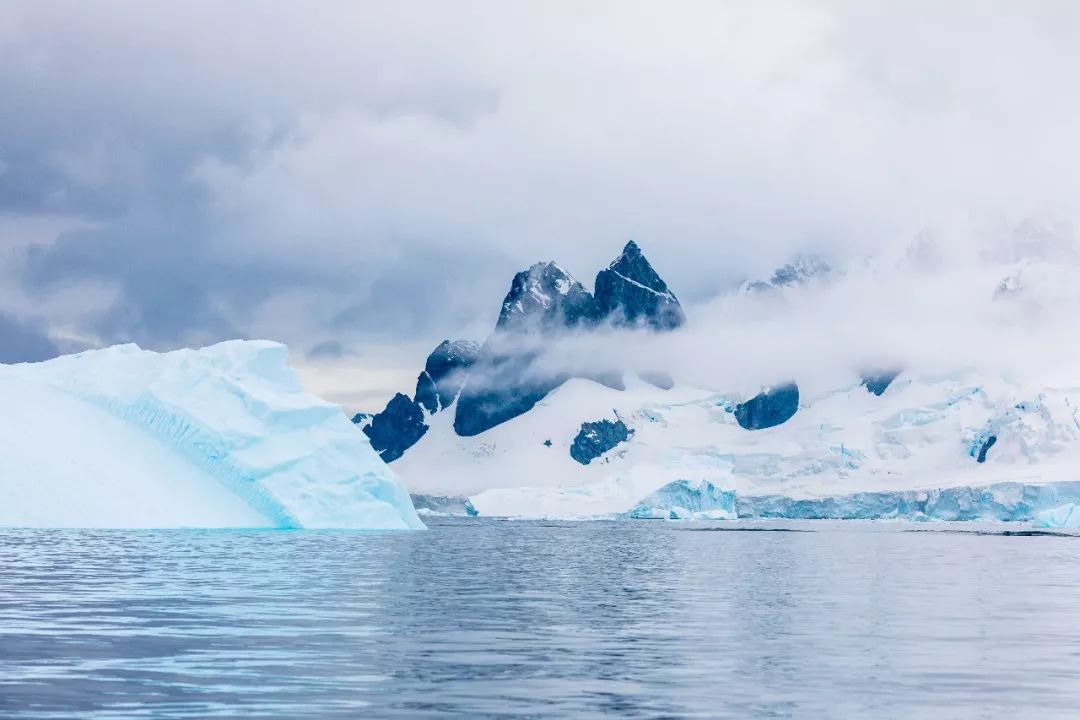
Antarctica
As the southernmost continent in the world, Antarctica is the closest to South America, separated only by the 970-kilometer-wide Drake Strait; About 3,500 kilometers away from Australia; From Beijing, it is more than 12,000 kilometers away. It is this mystery that attracts more and more people to yearn for this unknown land, eager to have the opportunity to go to Antarctica and see the end of the world.
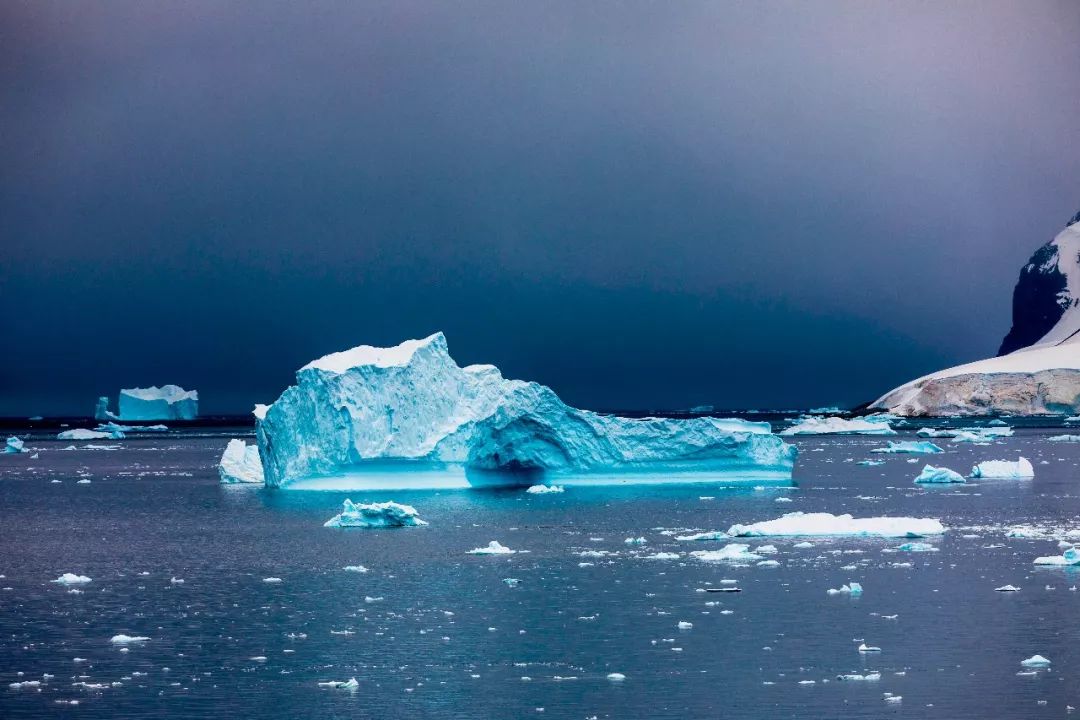
Antarctica
According to the regulations of the International Association of Antarctic Tourism Organizations (IAATO), the number of tourists landing in Antarctica is limited to around 30,000 per year. According to the data, from 2015 to 2016, there were 3,558 Chinese tourists to Antarctica, accounting for 10.6% of the global number of visitors to Antarctica, making it the third largest source country of Antarctica after the United States and Australia. In recent years, the number of Chinese tourists visiting Antarctica is doubling. It is estimated that China is expected to become the second largest source country of Antarctic tourism after the United States in 2018.
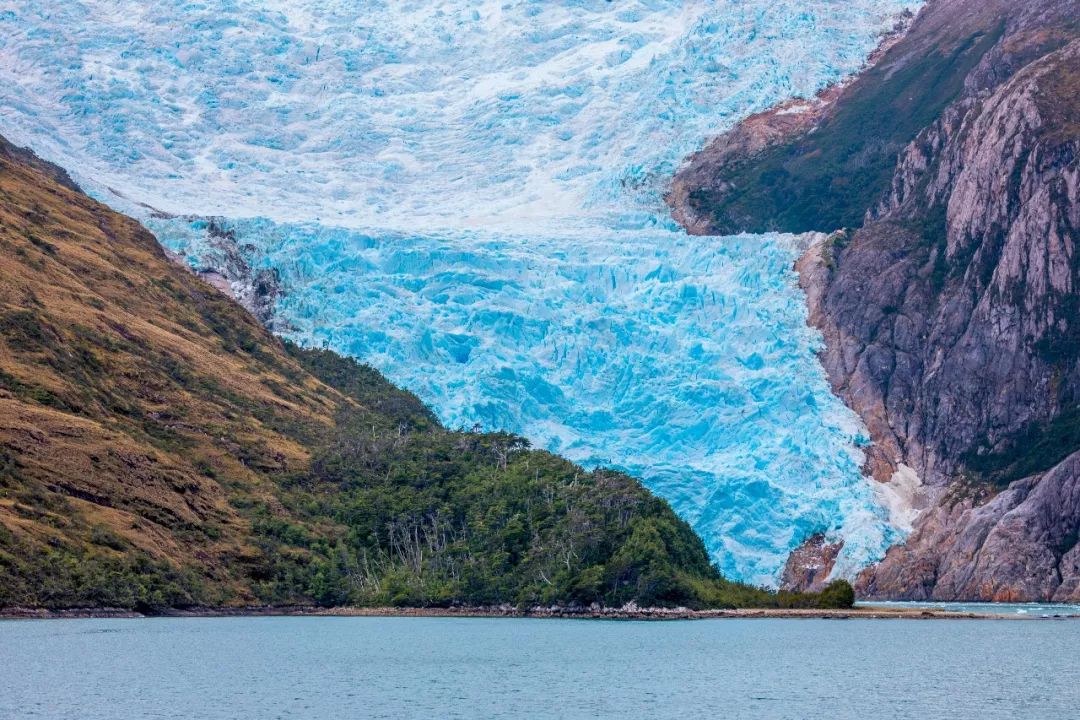
Antarctica
Running to the southernmost tip of the earth, traveling to Antarctica is no longer an unattainable dream. The ethereal and pure here are hard to describe in words. I’m afraid only by visiting this ice and snow polar region can we truly understand it.
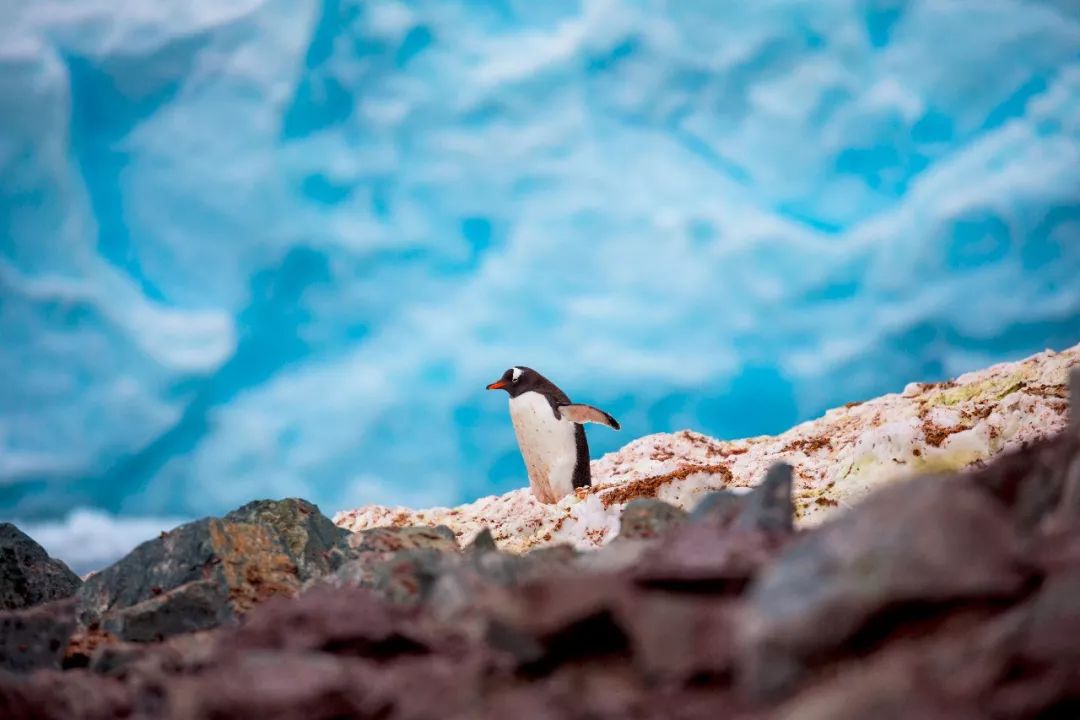
Antarctica
Before arriving in Antarctica, I had countless imaginations about it: I thought it was the most serious place, like a straight-faced elder, testing you unsmilingly; I think it is the quietest place, like a beautiful landscape painting, but I look on coldly to human beings. However, it wasn’t until I really got in close contact with it that I realized that I was wrong-Antarctica is full of vitality, kind and lovely, like the big brother next door, giving you many lovely gifts and telling jokes from time to time to amuse you.
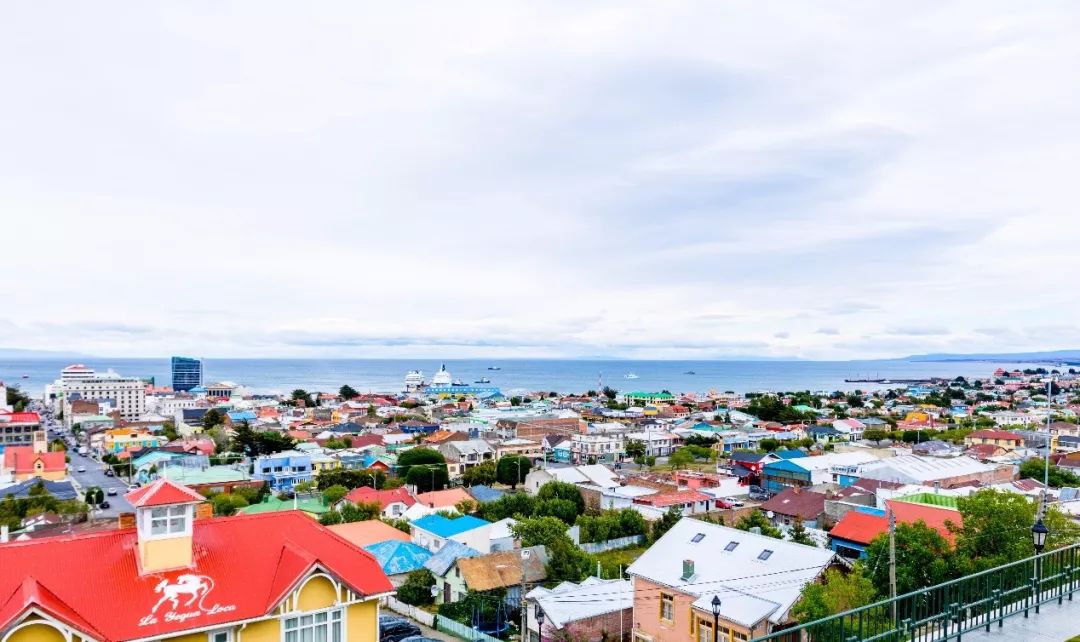
Punta Arenas, the southernmost port city in Chile
From China, before officially starting the Antarctic trip, you need to go through three flights with a total length of more than 30 hours. When you stand in Punta Arenas, the southernmost port city in Chile, more than 18,000 kilometers away from Beijing, and look into the distance where the cruise ship is about to sail, at this moment, the real trip to Antarctica begins.
| The “white desert” belonging to all mankind
Antarctica is located at the southernmost tip of the earth, surrounded by the Pacific, Indian and Atlantic oceans. The mainland is covered with ice sheets with an average thickness of 1,700 meters, and only 2% of the area has no perennial ice and snow, which is suitable for animals and plants to survive. It is this thick ice sheet that makes the average altitude of Antarctica as high as 2,350 meters, making it the highest continent in the world. Antarctica is the coldest place in the world, with an average annual temperature of-25 ℃ and an extreme lowest temperature of-89.2 ℃. It is also the land with the most storms and the strongest winds on earth, with a maximum wind speed of more than 90 meters per second, which is three times that of a Category 12 typhoon. Severe cold and strong winds make the air in Antarctica extremely dry, and there is almost no precipitation near the pole. Therefore, this continent is also known as the “white desert”.
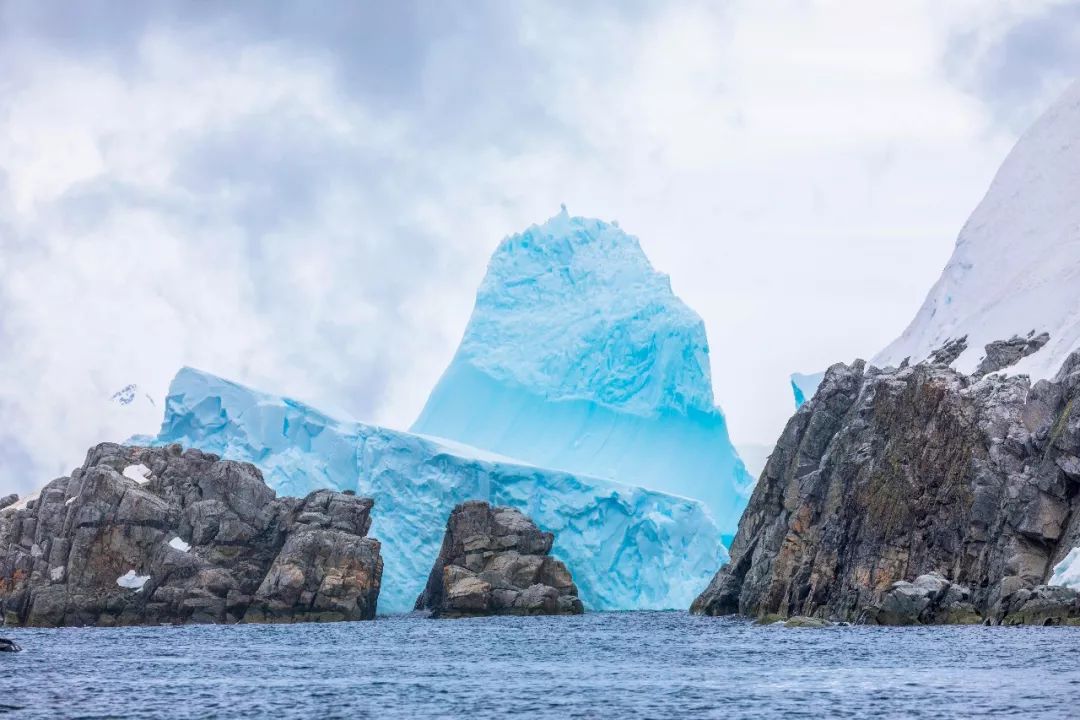
Antarctica
However, this “desert” contains the most precious resources of mankind. Antarctica stores 90% of the world’s freshwater resources, as well as rich mineral resources such as oil, natural gas, gold and silver, as well as biological resources such as cod and krill. Since human beings set foot on this continent, the exploration, conquest, sovereignty and resource competition around Antarctica have never stopped. It wasn’t until December 1959 that 12 countries signed the Antarctic Treaty that peace really came. The Antarctic Treaty freezes all countries’ territorial sovereignty claims over Antarctica, prohibits all military activities, nuclear explosions and disposal of radioactive waste in Antarctica, and stipulates that Antarctica should only be used for peaceful purposes. Antarctica does not belong to any one country, it belongs to all mankind.
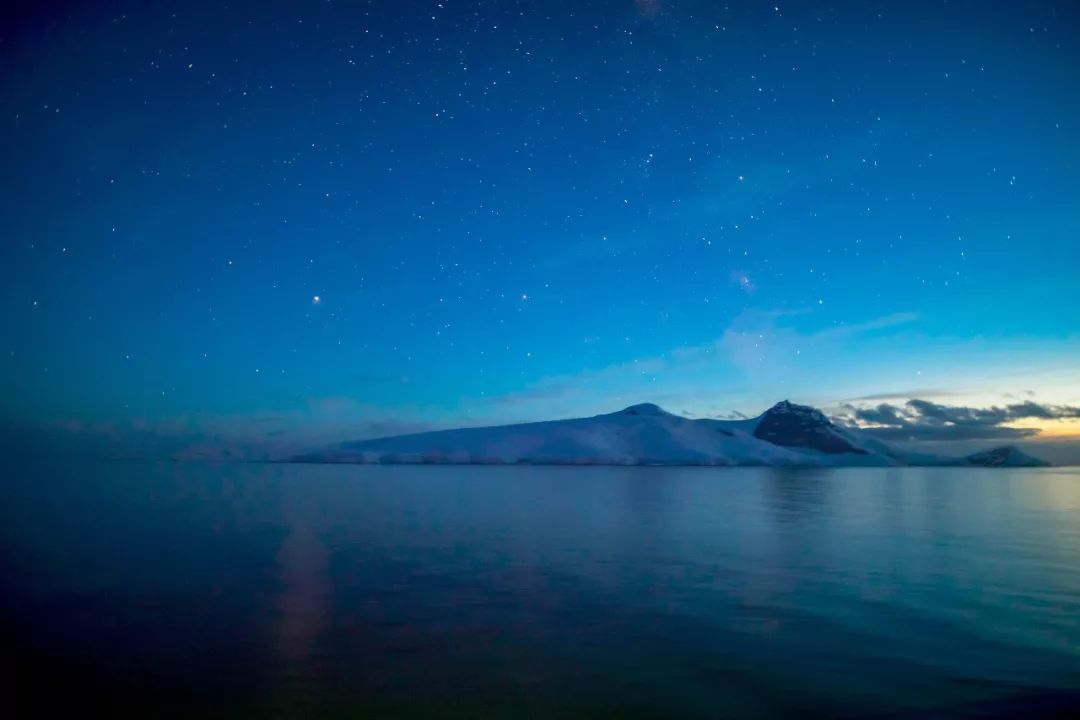
Antarctica
The trip to Antarctica is a practice worth remembering for a lifetime. Any beautiful landscape is hard-won, and Antarctica is no exception. Geographically, although Antarctica is the closest to South America, there is Drake Strait, which is known as the “Devil’s Strait” and the “Death Corridor”, in the middle. The west wind howls here all the year round, and it is common for the wind and waves to be high. Although our MIDNATSOL cruise ship, with a gross tonnage of 16,000 tons, is one of the largest ships sailing in Antarctica, more than half of the passengers suffered from seasickness during the 40-hour violent bumps, and vomiting sounds came one after another in the cabin. Relevant books record that when young sailors pass through the westerly belt, they are often tied to their beds to prevent them from jumping into the sea due to seasickness. Drake Strait is like a loyal guardian of the mysterious Antarctic continent, guarding this primitive pure land with strong winds and waves. Only after going through hardships and paying the price can human beings see its true appearance.
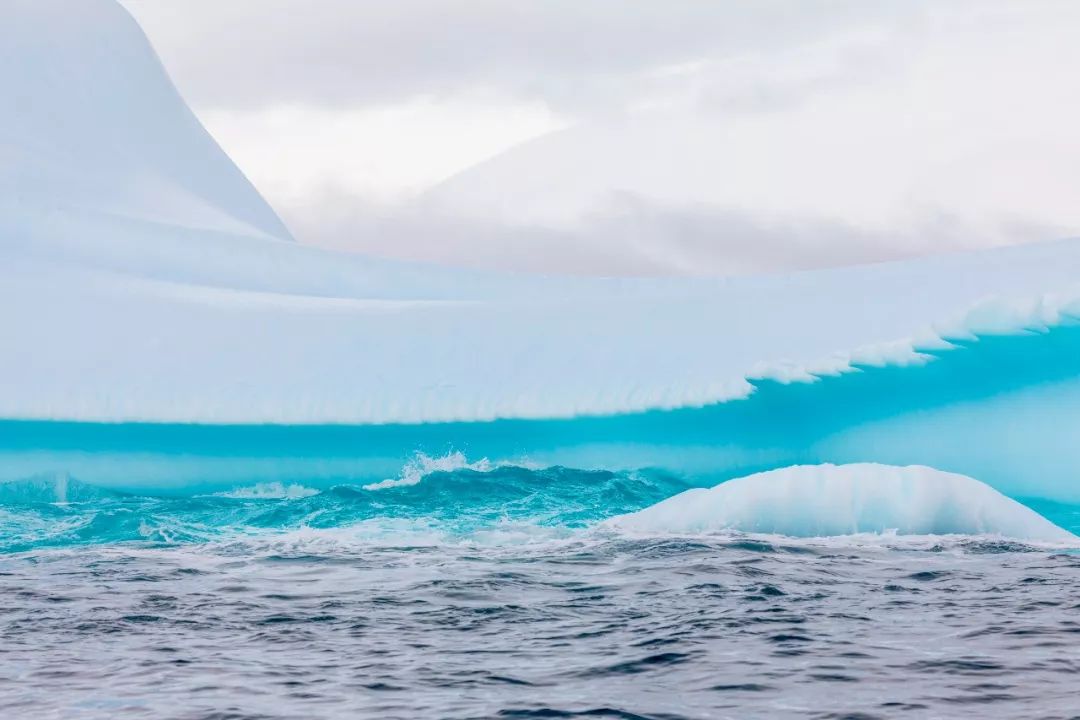
Strong winds and high waves are the norm
Due to the particularity of the destination, visiting Antarctica can’t stroll freely in the ice and snow world like regular trips. Most of the trip is spent on cruise ships. But that doesn’t mean that the trip to Antarctica will be less than expected. The open deck of the cruise ship itself is an excellent observation platform, where you can enjoy magnificent views of the bay and icebergs, overlook all kinds of wildlife, and occasionally ice floes carrying seals or penguins floating across the ship’s rail. If you are lucky enough, you can also see whales haunting the nearby waters. In this extremely pure heaven and earth, you seem to be able to listen to the heartbeat of the earth and let your soul be baptized in the embrace of nature.
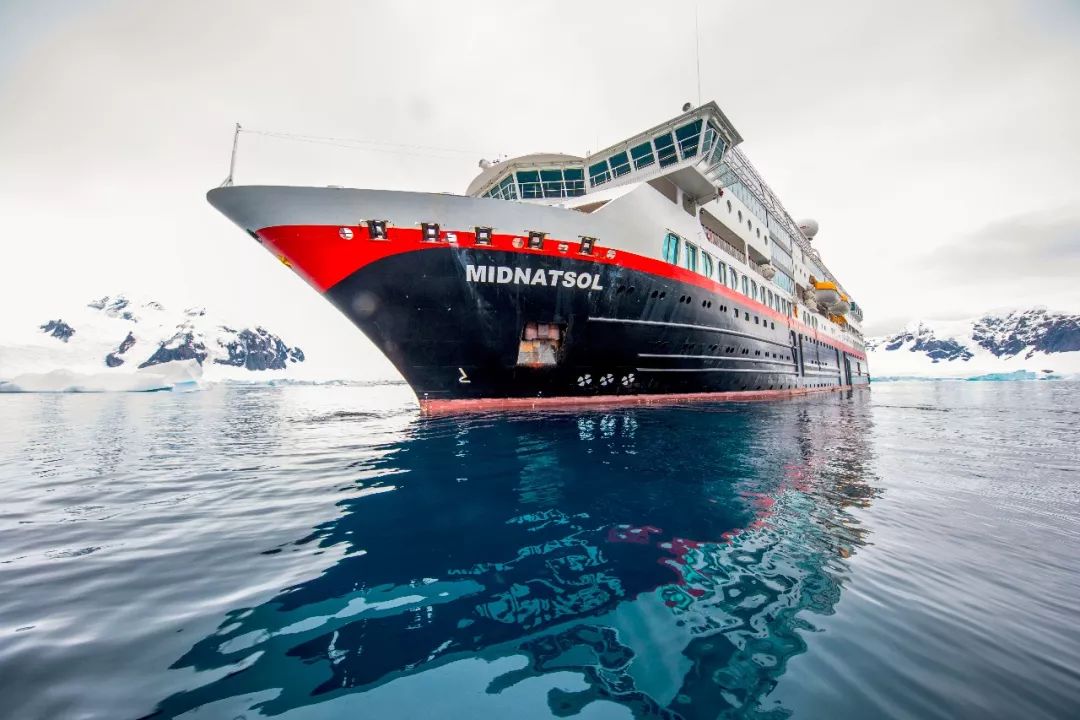
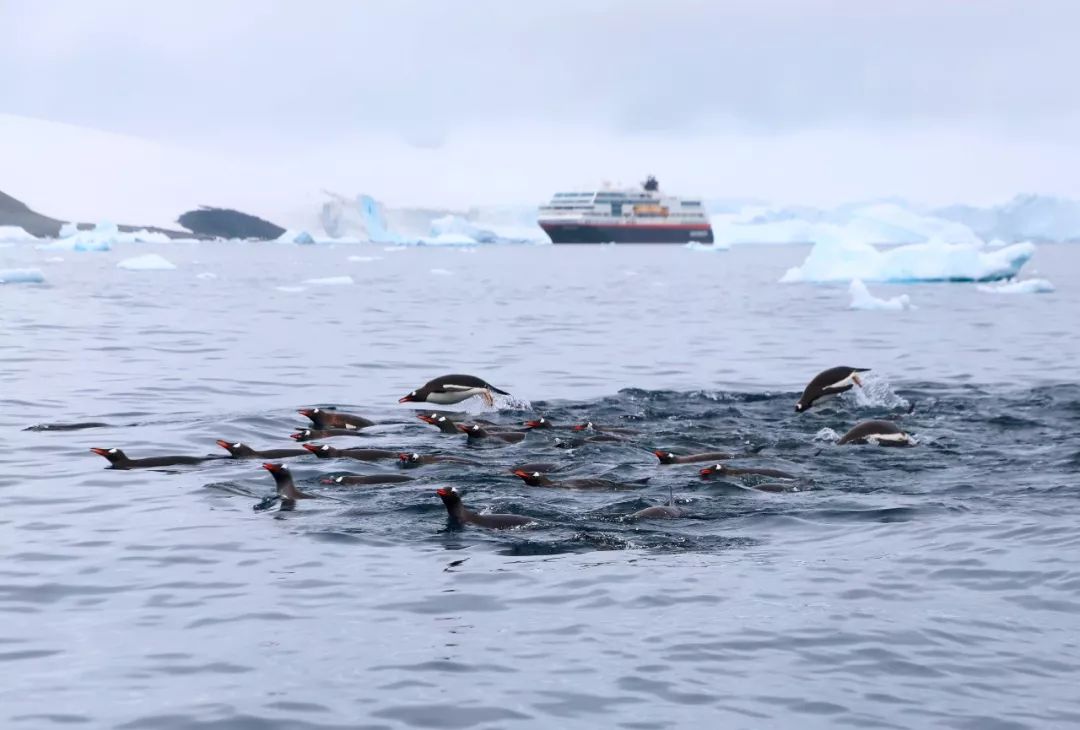
Most of the trip was spent on a cruise ship
Of course, when the cruise ship sails to a suitable place, if the weather permits, you will have the opportunity to take an assault boat for a sea cruise and landing, and have a zero-distance contact with Antarctica. In addition, you can choose extra paid items according to your own needs, such as snow hiking with a guide, kayaking experience in Antarctic waters, or taking a short photo cruise with a professional resident photographer. At the same time, lectures on Antarctic history, geography, animals and plants will be held regularly on the cruise ship. Therefore, even in this “white desert” without traditional scenic spots, the trip to Antarctica will never make you feel monotonous and boring.
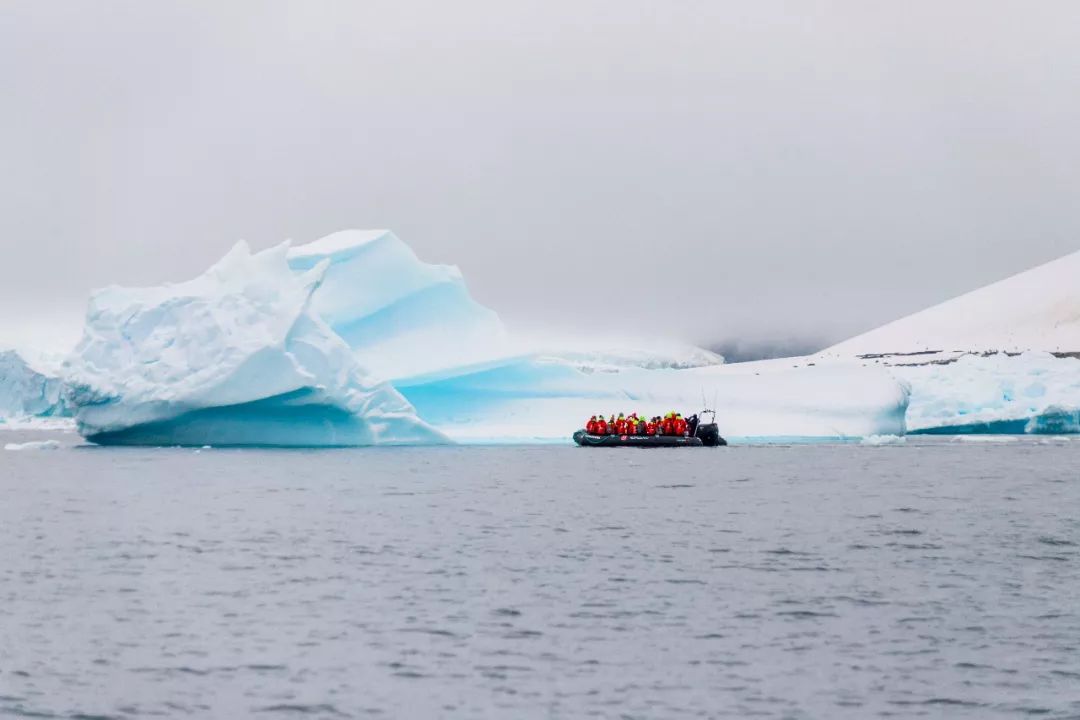
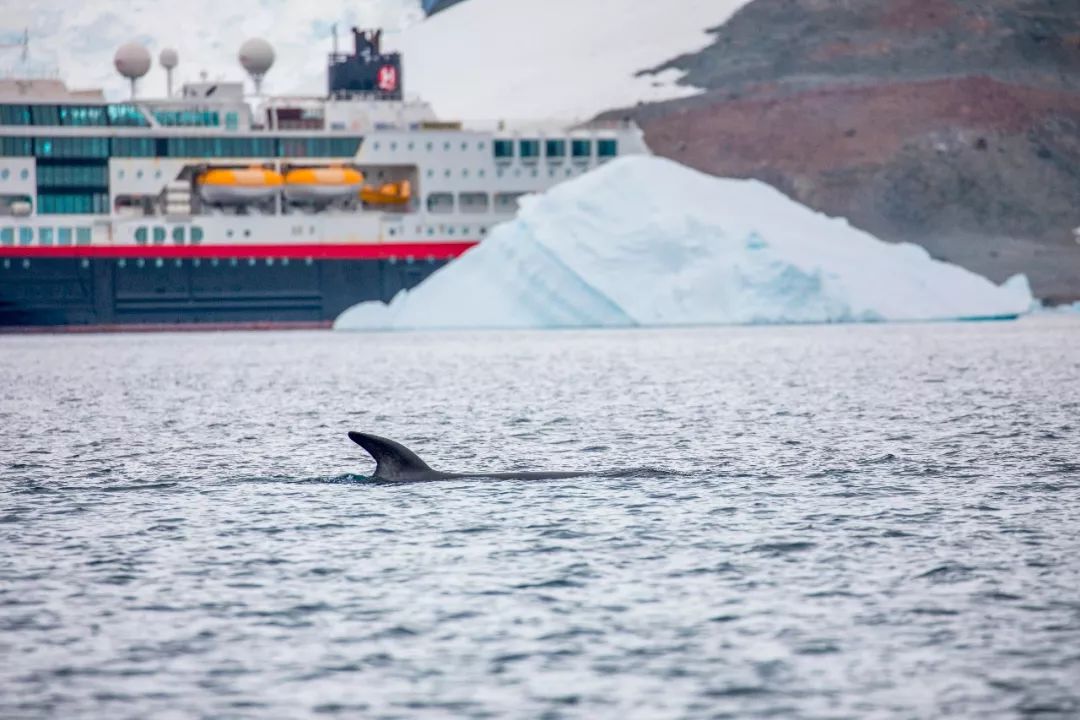
A trip to Antarctica will never leave you feeling monotonous and boring