| Yekaterinburg on the Siberian Railway: a legendary city named after the empress
Taking train 037 of the Siberian Railway, we arrived in Yekaterinburg, a fertile city at the foothills of the Urals. Every corner of this city named after a generation of queens contains immortal legends.
In 1723, in order to develop the rich mineral deposits of the Ural Mountains, Peter the Great built Yekaterinburg into an important industrial town. Driven by the strong impetus of the metallurgical industry, it gradually emerged as the economic and financial center of the Urals region. Although this move was unintentional, it became an important cornerstone of saving the precarious Red Soviet regime more than two centuries later.
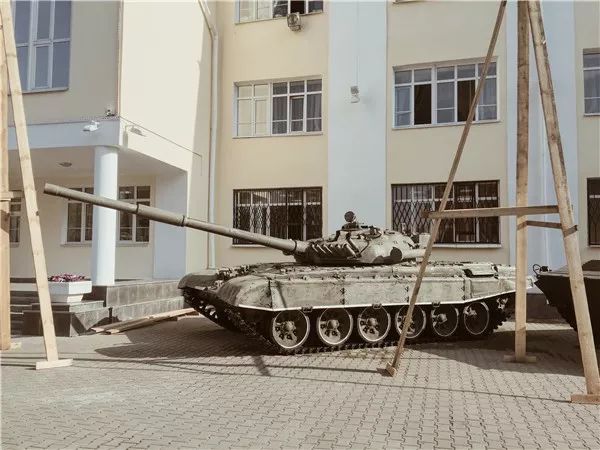
Cars are parked in front of ordinary office buildings, but tanks can often be seen in Yekaterinburg
Outside the window, streetcars drove past the Marlins Park Hotel one by one. They make a rhythmic impact sound on the 1520 mm wide track, and the sparks they inadvertently rub, like a guitarist strumming a string, are full of heavy metal texture. At the other end of the railway line and highway, Yekaterinburg Main Railway Station stands majestically.
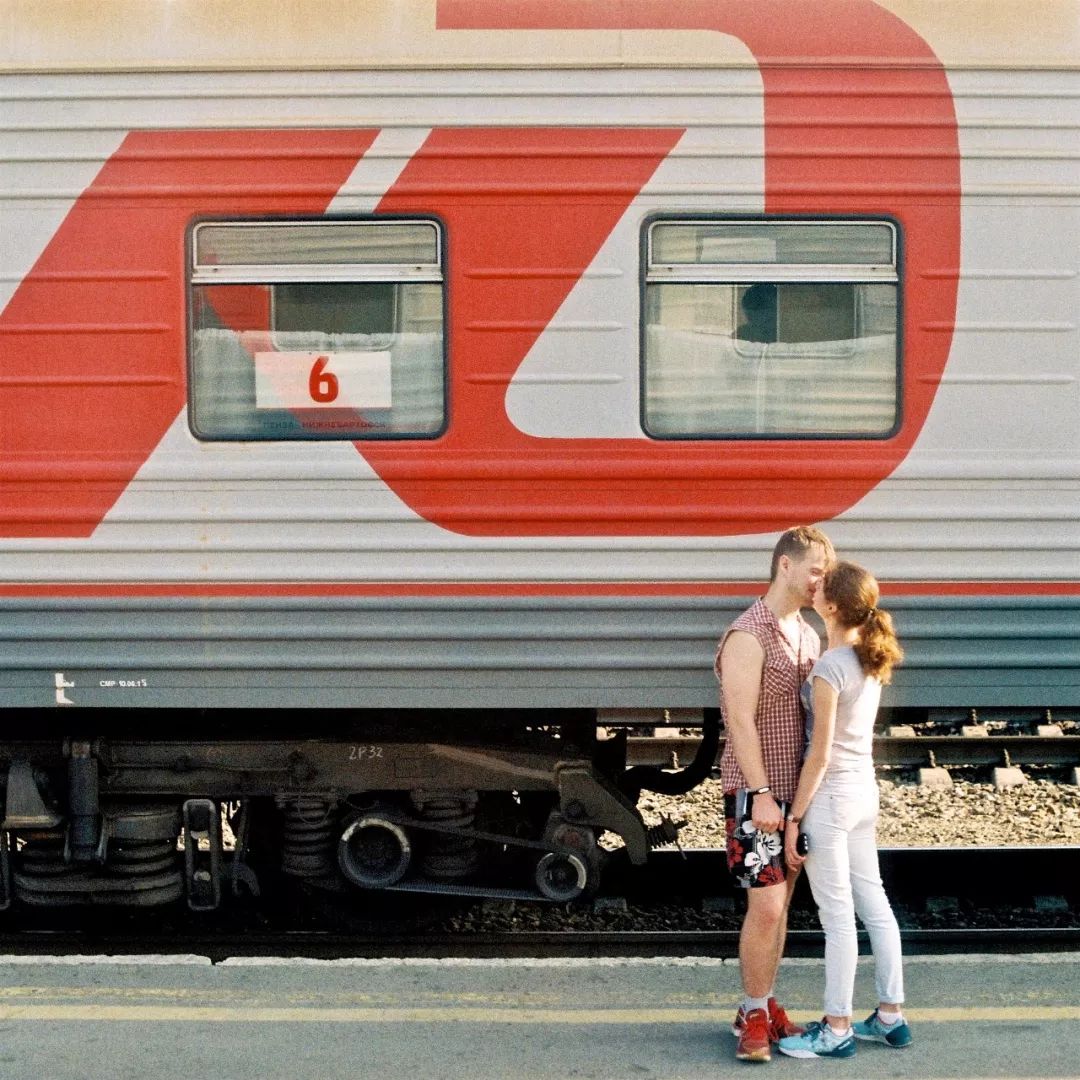
Lovers embracing each other in Yekaterinburg Railway Station
This bustling main train station is not the original Yekaterinburg station. The old station filled with Russian classical charm is actually located quietly about 100 meters west of the main station. Its beautiful appearance has not changed so far, and it is even more radiant under the careful maintenance of the staff. However, it no longer undertakes the function of passenger transport: after some renovations, it reappeared as a railway museum, attracting tourists from all over the world. This century-old station, founded in 1881, has never fallen silent, although it has unloaded its transportation responsibilities.
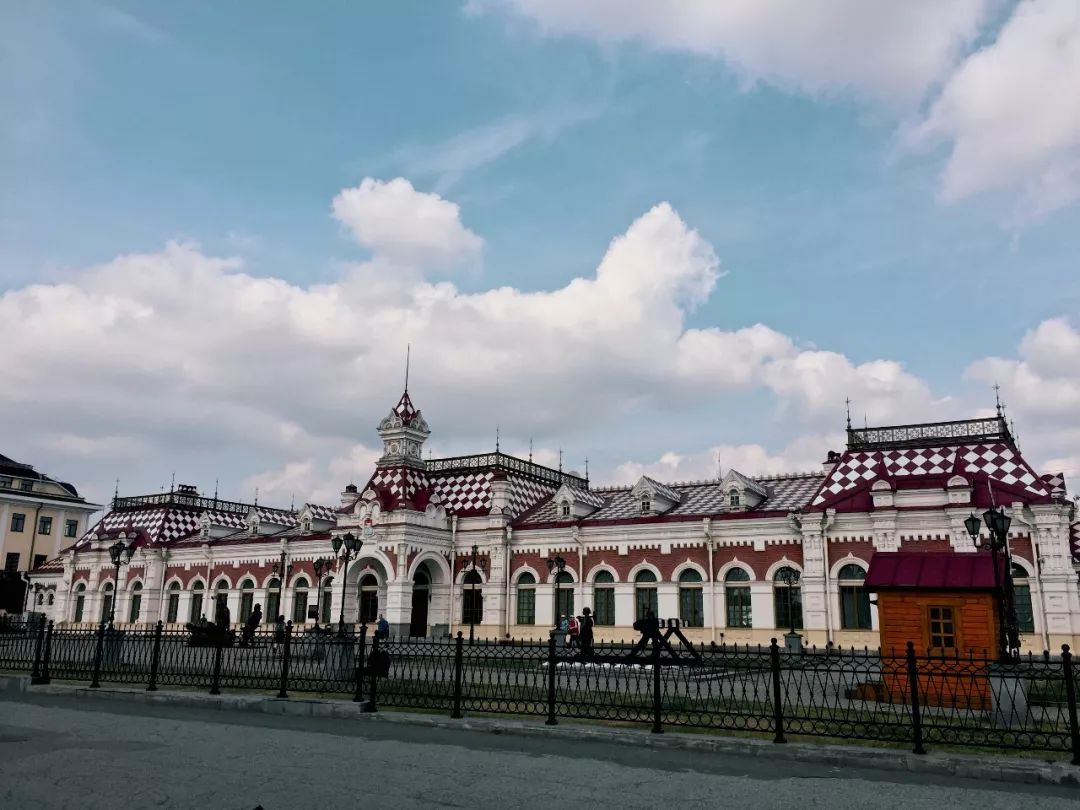
Classic and elegant old Yekaterinburg train station
Naturally, there are a dazzling array of exhibits in the museum: the exquisitely designed Ural Railway sand table, the simulated cab of electric locomotive, and the authentic Soviet stationmaster’s office, which can always easily win the admiration of tourists. However, if we talk about the real “treasure of the town hall”, this honor belongs to its curator, a lovely elder with fluent English and rich body language. With his enthusiastic explanation, he completely broke the stereotype in our hearts that Russians always have serious expressions.
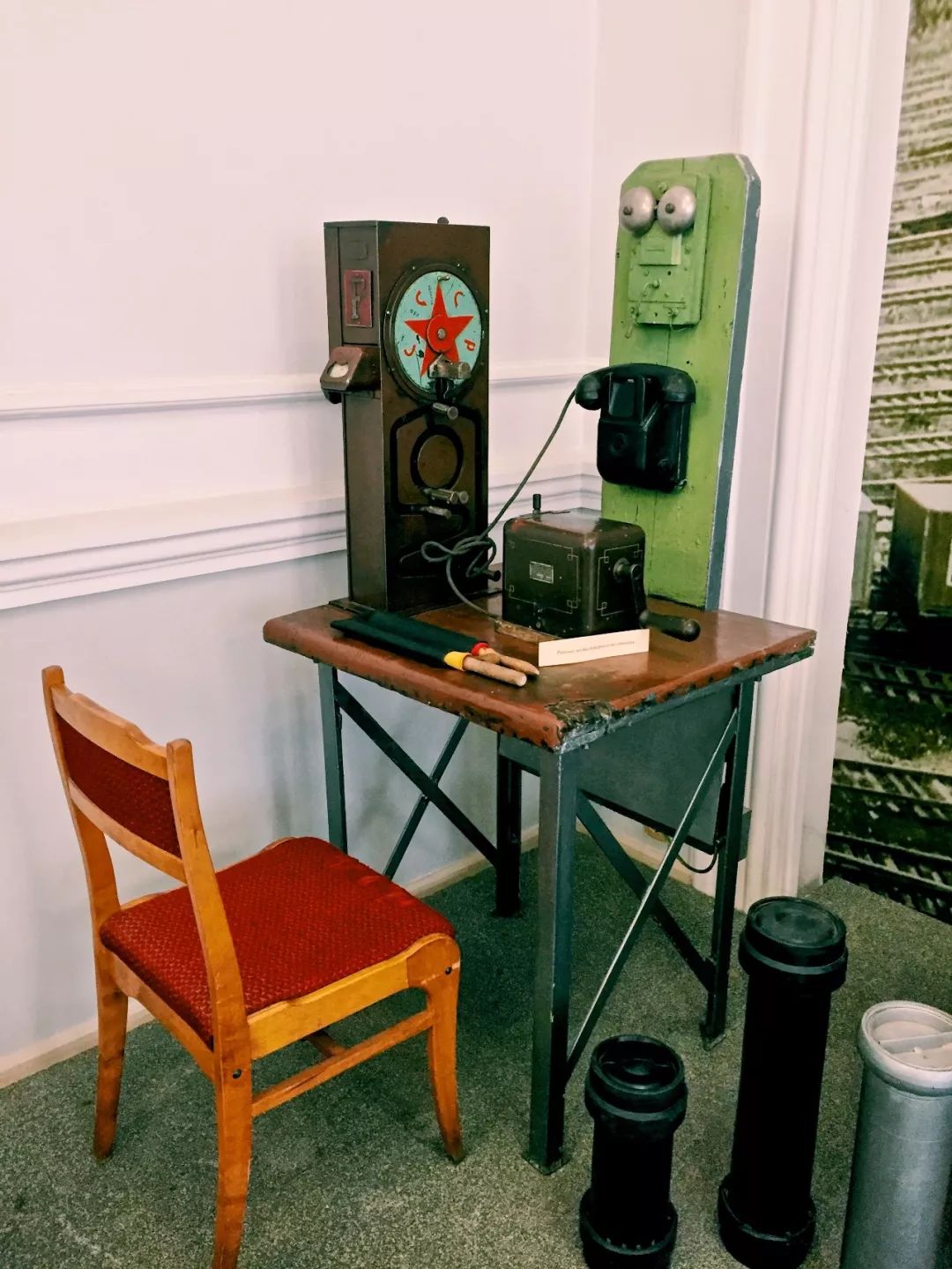
The museum’s collection
Return to the city again and board a tram bound for the Ural Military Museum. It wasn’t until I got off the bus that I suddenly discovered that this green tram was covered with advertisements for the 2018 World Cup in Russia. As the only city in Siberia among the 11 host cities of this World Cup, Yekaterinburg is like a unique existence and a lucky one. In various rankings of urban happiness index voted by Russian people, it always ranks among the best. After all, this is a “hero city” that the whole of Russia is proud of, and it has never been trampled by the iron hoof of the German army.
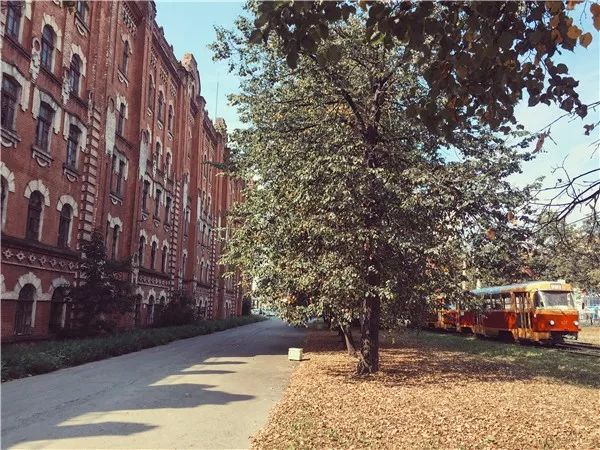
A tram with a 2018 Russia World Cup livery
The Ural Museum of Military History faithfully records those stirring years. Its main building is a tall and majestic Stalinist-style building, with a large number of precious originals such as firearms, military uniforms, flags and medals from World War II displayed inside, which is enough to make military enthusiasts linger. What’s more, it also has an open-air exhibition hall filled with tanks and artillery.
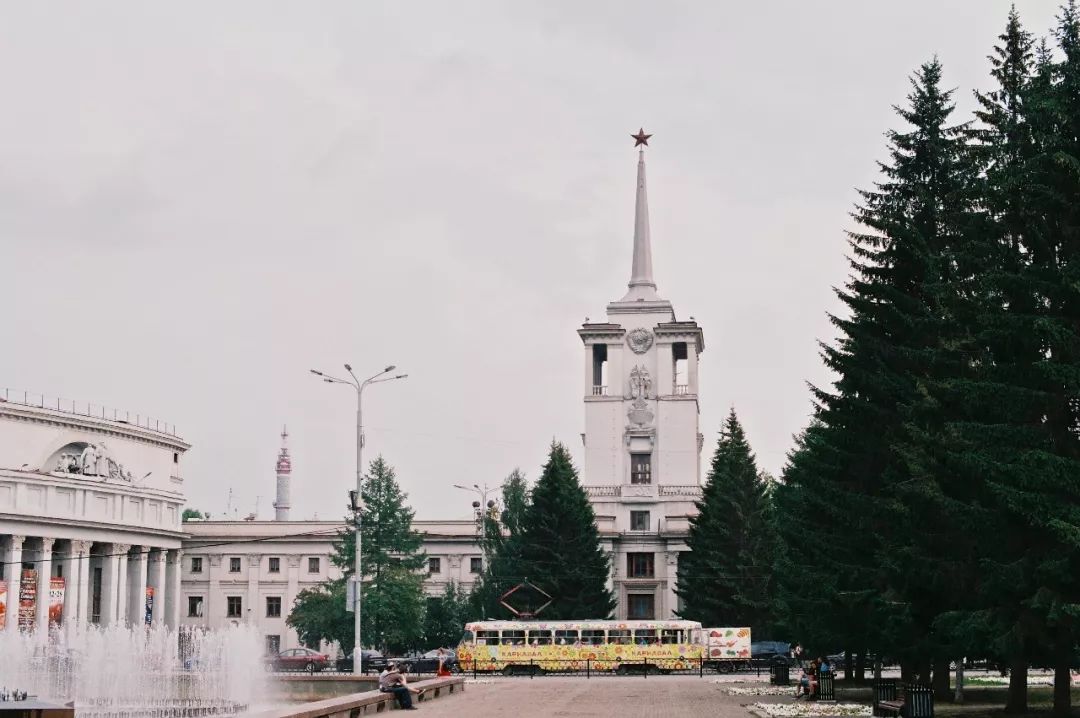
Ural Museum of Military History Main Building
When you are stopping in front of the T-34, a meritorious Soviet tank, a handsome boy has already climbed onto a T-62 next to him and reached out to pull his beautiful girlfriend up. Perhaps, this is the unique way for Yekaterinburg people to express romance.
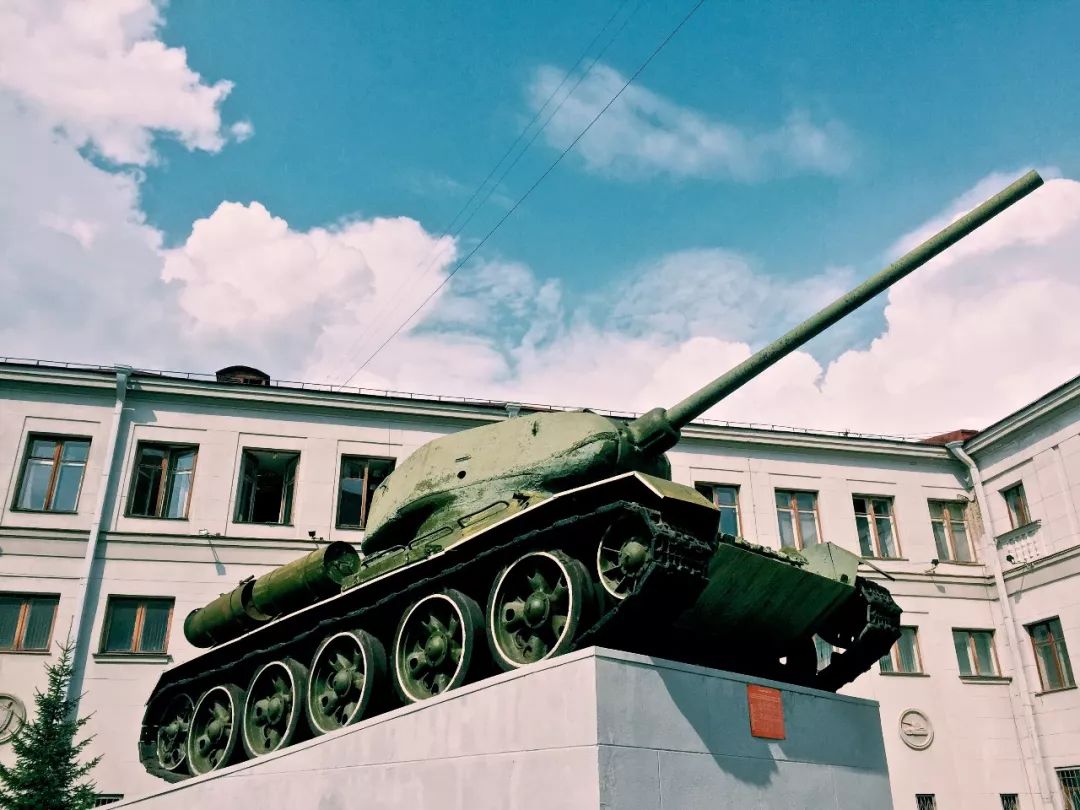
T-34 tank