In daily life, flavors such as sweet, sour, salty and spicy are more popular among people, while “bitterness” is often avoided at all costs and is feared at the mention of it. However, in traditional Chinese medicine theory, bitter-tasting Chinese herbs are a kind of good medicine that can both treat diseases and maintain health. There is an old saying in China that goes, “After bitterness comes sweetness,” meaning that when bitterness reaches its peak, sweetness follows. It’s currently summer. Both the weather and people’s moods are a bit “irritable”, which is a good time to “endure hardships”. In summer, nourish the heart; bitterness enters the heart. Proper consumption of bitter-tasting foods can help us dispel summer heat and reduce internal heat, as well as regulate our constitution.
Many bitter-tasting medicines and foods are both medicinal materials and ingredients, which is what is called “medicine and food sharing the same origin”. Now I’m going to recommend several bitter-tasting medicinal foods that you must try in summer to prevent diseases before they occur and nourish your body.
Natural hypoglycemic medicine – Bitter gourd
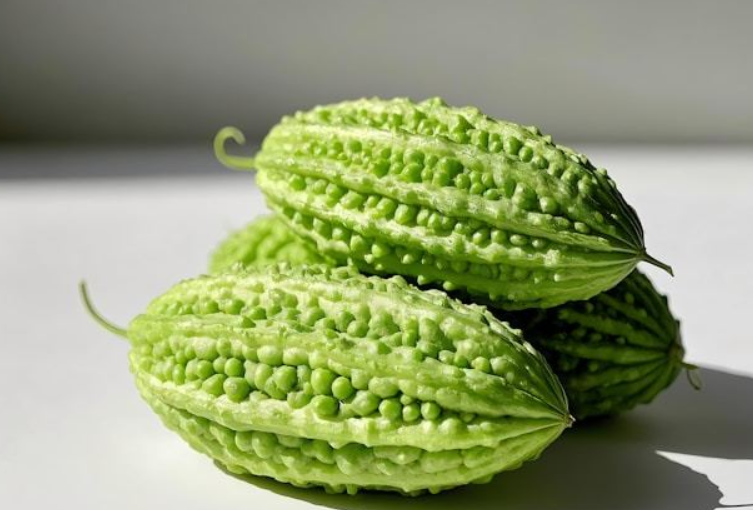
Bitter gourd has the effects of clearing heat and relieving summer heat, lowering blood sugar, beautifying the complexion, delaying aging and promoting digestion. Bitter gourd is rich in bitter gourd glycoside, vitamin C and dietary fiber, and is suitable for people with diabetes, summer heat and thirst, and acne.
It is recommended to cook it as a home-cooked dish. You can add an appropriate amount of seasonings or blanch it. When eating bitter gourd, pair it with ginger or garlic. The warm nature of the latter can neutralize the cold nature of bitter gourd and reduce gastrointestinal discomfort. For instance, stir-fried pork slices with bitter gourd and shredded ginger. People who suffer from summer heat can choose to stir-fry bitter gourd with hawthorn fruit. Grinding hawthorn fruit into powder and stir-frying it with bitter gourd can stimulate appetite.
In addition, bitter gourd can be eaten cold, scrambled with eggs, made into bitter gourd tea or bitter gourd and pork rib soup.
People with weak spleen and stomach, pregnant women and those on their menstrual period should avoid eating it.
Calming the mind and soothing the spirit – Lotus seed heart
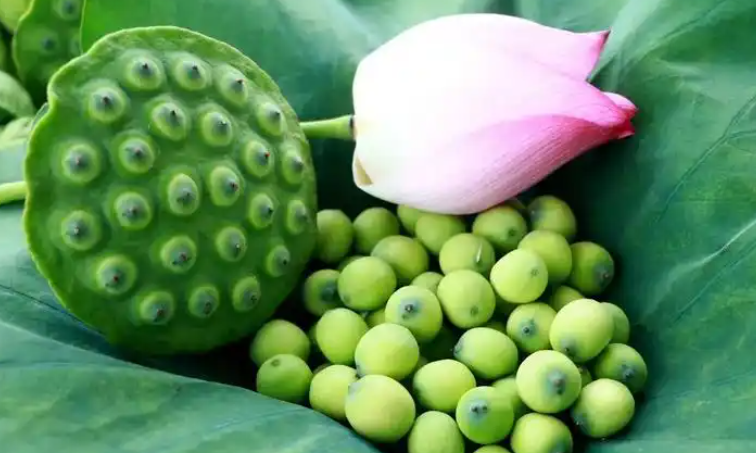
Lotus seeds have a bitter and cold nature, and they belong to the heart and kidney meridians. They have the effects of clearing heart fire, lowering blood pressure, and calming the mind. Lotus seed hearts contain various alkaloids such as lotus heart alkaloids and lotus leaf alkaloids, as well as flavonoids like hyperoside and rutin. They are suitable for people suffering from irritability, insomnia, mouth ulcers and hypertension.
It is recommended to use 1 to 3 grams of lotus seed hearts to make tea or cook porridge with them. It is recommended to use lotus seed hearts and licorice together. The sweet taste of licorice can alleviate the bitter and cold nature of lotus seed hearts and enhance the effect of clearing heart fire. Meanwhile, licorice is sweet, especially honey-fried licorice – it is processed with honey, and with it in the lotus seed heart, it is not so bitter. In daily life, you can choose 2 grams each of lotus seed hearts and licorice to make tea and drink.
In addition, it is recommended to make a soup with lily bulbs, lotus seeds and lean meat that can moisten the lungs and calm the mind. The soup is made by stewing lily bulbs, lotus seeds and polygonatum odoratum with lean meat.
Lotus seeds have a strong cold nature in the heart and should not be taken in large quantities for a long time. People with Yang deficiency, pregnant women, those preparing for pregnancy, lactating women and children should use them with caution.
Improving eyesight and lowering blood pressure – Chrysanthemum

Chrysanthemum has a pungent, sweet and bitter taste, is slightly cold in nature, and belongs to the lung and liver meridians. It has the functions of dispelling wind-heat, calming the liver and improving eyesight, clearing heat and detoxifying. Chrysanthemum is rich in volatile oil, flavonoids, stachydrine, choline, adenine, vitamin B1, vitamin A, amino acids and various trace elements. It is suitable for people with wind-heat cold, dry eyes, headache, hypertension and abscesses and sores.
It is recommended to consume chrysanthemum tea and chrysanthemum and wolfberry porridge. When chrysanthemum and wolfberry are used in combination, the sweet and neutral nature of wolfberry can balance the coldness of chrysanthemum and play a role in protecting the spleen and stomach. Moreover, wolfberries have a sweet taste. When combined with chrysanthemums, they become a sweet heat-clearing drink. In daily life, you can choose 5 chrysanthemums and 6 wolfberries to steep in water and drink as tea.
Precautions: Use with caution by those with Yang deficiency who are afraid of cold, pregnant women and lactating women.
Regulating qi and strengthening the spleen – Dried tangerine peel
Dried tangerine peel has a bitter, pungent and warm nature, and it belongs to the lung and spleen meridians. It has the functions of drying dampness, resolving phlegm and promoting digestion. High-quality dried tangerine peel needs to be sun-dried from citrus fruits and stored for more than three years. Dried tangerine peel is suitable for people with abdominal distension, excessive phlegm and cough, and loss of appetite.
Recommended ways of consumption: soaking in water, stewing in soup, or cooking porridge. In daily life, you can mix bitter chicory with dried tangerine peel. After blanching the bitter chicory, add dried tangerine peel, a little honey and white vinegar. It is refreshing and appetizing.
People with Yin deficiency and excessive internal heat, as well as pregnant women, should use with caution.
Natural antibiotic – dandelion
Dandelion has a bitter, sweet and cold taste, and it belongs to the liver and stomach meridians. It has the functions of clearing heat and detoxifying, reducing swelling and dispersing nodules, and antioxidation. Dandelion is rich in chlorogenic acid, chicoric acid, flavonoids, vitamin A, vitamin C, dietary fiber and various minerals such as potassium, calcium and iron. It is suitable for people suffering from mastitis, sore throat and skin sores.
The tender leaves of dandelions can be used for cold dishes, and their roots can be used to make tea. Dandelions can be eaten cold in daily life. After blanching fresh dandelions, add minced garlic, sesame oil, salt and a small amount of licorice powder.
Precautions: Use with caution in those with weak spleen and stomach, pregnant women, allergic constitutions, and kidney diseases.
When it comes to dietary therapy, it depends on one’s constitution. Don’t force yourself to eat what’s not bitter.
Although the saying goes, “Good medicine tastes bitter but benefits the illness,” not everyone is suitable for “bitterness.” All medicines have contraindications. Although bitter medicines are good, they need to be differentiated based on one’s constitution. Here is an introduction to the applicable and contraindicated groups for bitter-tasting medicinal foods.
Suitable for
People with damp-heat constitution tend to have a yellow and greasy tongue coating, oily skin and are prone to acne.
People with a constitution of excessive internal heat often experience dry mouth and tongue, constipation, and are prone to getting “heaty”, irritability and anger.
Bitter taste can clear heat and relieve summer heat for people who want to prevent heatstroke in summer. For example, bitter gourd and lotus seed hearts are suitable for most people. However, it is important to do it in moderation, 2 to 3 times a week, to avoid overdoing it and harming the stomach. It can be paired with sweet flavors, such as bitter gourd scrambled eggs or chrysanthemum with honey, to moderate the bitterness.
Taboo groups
Those with weak spleen and stomach and cold constitution who are afraid of cold, have diarrhea or stomachache should use it with caution.
Bitter and cold medicines for pregnant women, lactating women and women during their menstrual period may affect the circulation of qi and blood.
For people with low blood pressure or low blood sugar, some bitter foods such as lotus seed hearts may aggravate their symptoms.
Children and the elderly: Children’s internal organs have not fully developed, and the functions of the elderly’s internal organs gradually decline. Therefore, it should be used with caution as appropriate.
· Know more
The bitter taste has a bidirectional regulating effect
The taste of food and medicine can be classified into the “five flavors”, namely sour, bitter, sweet, pungent and salty, which are closely related to human health. Bitterness is one of the five flavors in traditional Chinese medicine. It belongs to “fire” in the Five Elements and corresponds to summer in the four seasons. It is associated with the heart among the five internal organs and has the functions of clearing heat, purging fire, drying dampness, lowering qi and promoting defecation. Bitter-tasting medicinal foods often enter the heart, liver, lung, stomach and large intestine meridians and can regulate the functions of these internal organs.
Although they are all bitter drugs, their properties are different and their effects are quite distinct. Bitter and cold medicines such as Coptis chinensis and Scutellaria baicalensis mainly have the effect of clearing heat and purging fire, and are suitable for heat-related syndromes such as high fever, mouth ulcers and constipation. For instance, bitter and warm herbs like dried tangerine peel and Atractylodes mainly have the effect of resolving phlegm and promoting diuresis, and are suitable for cold-dampness syndromes such as cold stomach and phlegm-dampness. Therefore, the key to the correct use of bitter-tasting foods lies in the proper diet based on syndrome differentiation and moderate consumption.