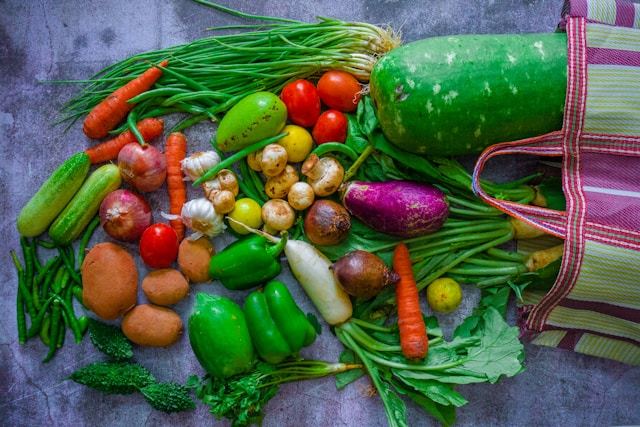
Nutritionists suggest eating a variety of fruits and vegetables. This is not only because it looks beautiful, but also because each color represents a different nutrient our body needs. The nutrients in plant-based foods are called phytonutrients, and there are at least 5,000 known phytonutrients. So, what benefits do colorful foods bring to our health?
Red fruits and vegetables
Red fruits and vegetables are rich in carotenoids. These carotenoids are found in tomatoes, apples, cherries, watermelons, red grapes, strawberries and peppers. Carotenoids are known as antioxidants and can eliminate free radicals in the body. Free radicals can cause oxidative stress, which in turn damages proteins, cell membranes and DNA in our bodies, leading to aging, inflammation and diseases, including cancer and heart disease.
Antioxidants in the diet can reduce oxidative stress and lower the risk of various diseases such as arthritis, type 2 diabetes, heart disease, stroke and cancer.
Orange fruits and vegetables
Orange fruits and vegetables also contain carotenoids. Slightly different from red fruits and vegetables, they contain α -carotene, β -carotene, curcumin, etc. Carrots, pumpkins, apricots, citrus fruits and oranges all contain these ingredients.
α -carotene and β -carotene can be converted into vitamin A in the body, which is very important for the eyes and vision. Vitamin A can also eliminate free radicals in the body, thereby reducing the risk of cancer and heart disease.
Yellow fruits and vegetables
Yellow fruits and vegetables also contain carotenoids, but they also contain other plant nutrients such as lutein and zeaxanthin. Apples, pears, bananas, lemons and pineapples are all rich in these ingredients.
These nutrients are particularly beneficial for eye health and can reduce the risk of age-related macular degeneration. These plant nutrients can also absorb ultraviolet rays, acting as sunscreen for the eyes and protecting them from sun damage.
Green fruits and vegetables
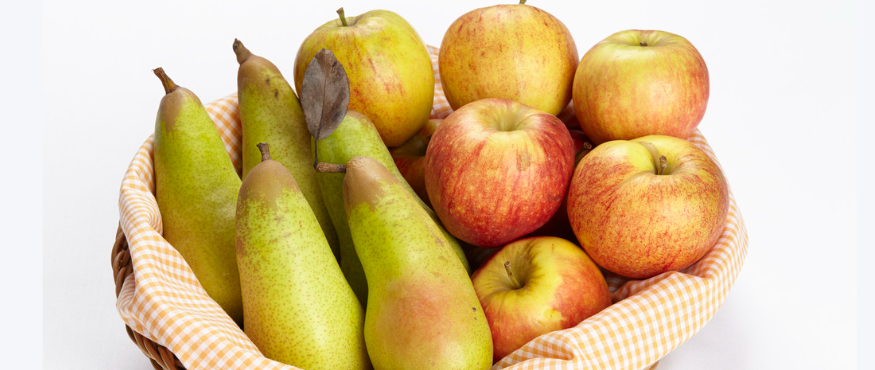
Green fruits and vegetables contain many phytonutrients, including chlorophyll, catechins, phytosterols and folic acid. These ingredients are found in avocados, cabbages, apples, pears, green tea and green leafy vegetables.
These nutrients also have antioxidant effects and thus offer the same benefits as red fruits and vegetables. In addition, these nutrients also help make our blood vessels more elastic, improve blood circulation, lower blood pressure and the risk of heart and other vascular diseases. Folic acid helps reduce the risk of neural tube defects in infants, such as spina bifida.
Blue and purple fruits and vegetables
Blue and purple fruits and vegetables contain anthocyanins, resveratrol, etc., such as blackberries, blueberries, figs, plums and purple grapes.
Anthocyanins have antioxidant properties and help reduce the risk of cancer, heart disease and stroke. Recent evidence suggests that they can also improve memory because these components enhance brain plasticity by improving signal transduction between brain cells.
Brown and white fruits and vegetables
Brown and white fruits and vegetables such as garlic, potatoes and bananas are rich in flavonoids, including apigenin, luteolin, etc.
There are many flavonoids with medicinal value. These compounds can reduce the fragility of blood vessels, improve their permeability, and lower blood lipids and cholesterol. Flavonoids can enhance the body’s ability to resist oxidation and eliminate free radicals.
It is worth mentioning that garlic is also rich in allicin, which has antibacterial and antiviral properties. Studies have found that allicin lowers blood pressure by promoting vasodilation.