It is said that “a set of teeth is worth a house”, and now everyone knows the importance of protecting their teeth.
During the process of taking care of teeth, many people have had a doubt: Which is more harmful, not brushing teeth before going to bed or not brushing teeth in the morning?
—The First—
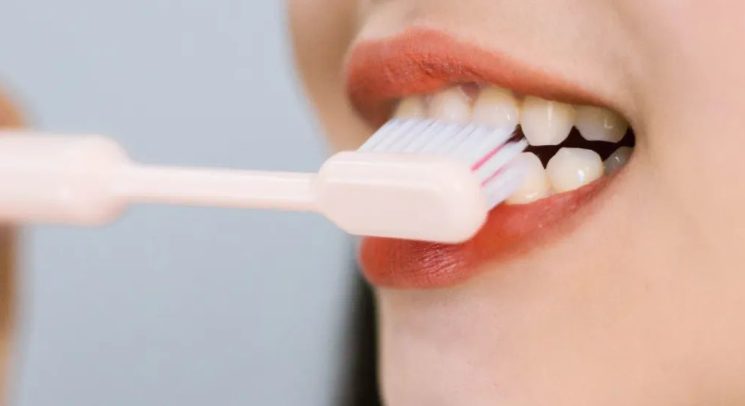
Not brushing your teeth before going to bed will cause even greater harm
To sum up, people who don’t brush their teeth before going to bed are more likely to have dental problems.
When a person is sleeping with their mouth tightly closed, the oral environment at this time is warm and humid, which is the most suitable for bacterial growth.
If you don’t clean your teeth in time after eating at night, the food residues stuck in the gaps between your teeth will be eaten by bacteria as a “midnight snack”.
When the residue is continuously fermented under the decomposition of bacteria, it will form a rich and layered bad breath.
This kind of harm is still the least serious. At most, the mouth smells a little bad.
But if this continues for a long time, it will eventually be the teeth that are damaged.
After bacteria have eaten and drunk their fill in the mouth, they will still pull out a lump of sticky cement. This substance, which is like glue, can bond the residue, acid and dead or living cells together, forming “dental plaque”.
Once dental plaque forms, it is very difficult to remove it manually unless teeth cleaning is done. If not intervened in time, it may even grow larger and larger, eventually leading to various periodontal diseases.
The ever-growing bacterial mass will continuously irritate the gums and cause gingivitis.
If the inflammation spreads to deeper tissues, it can also lead to the formation of periodontal pockets, alveolar bone resorption and tooth loosening, and in severe cases, tooth loss.
In comparison, having breakfast without brushing teeth is not very harmful except for being a bit disgusting.
Although the mouth naturally carries bacteria, if you brush your teeth properly the night before, the bacteria are unlikely to be so abundant as to cause concern, and there is no situation where you eat food without brushing your teeth and consume a large amount of bacteria.
Even if bacteria are really swallowed, the powerful stomach can secrete gastric acid to eliminate them in time and excrete them from the body through metabolism, without causing negative effects on the stomach and intestines.
If you only don’t brush your teeth in the morning but do after meals, you can clean up food residues and residual bacteria all at once, eliminating the trouble of brushing your teeth again after eating, which is more convenient and effortless.
But if you don’t brush your teeth in the morning, you should brush them at least once during the rest of the day, which means you should brush your teeth at least twice a day.
—The Second—

Brush your teeth less than twice a day
The heart and brain may be easily interviewed
A study published in a Nature journal shows that among the many factors influencing the risk of dementia, poor dental care and having dental diseases may both increase the risk of dementia.
More specifically, not having dental check-ups on time increases the risk of dementia by 62.0%. Brushing teeth less than twice a day increases the risk of dementia by 60.1%. Having tooth decay increases the risk of dementia by 49%.
Teeth and the brain may seem to have no connection at all, but in fact, they can influence each other through inflammation. Periodontal disease can activate inflammatory cells, thereby causing nerve damage to the brain through the microbiota-gut-brain axis pathway.
Poor teeth also increase the risk of heart disease, which is a similar principle.
A study in the journal Circulation pointed out that Porphyromonas gingivalis, the number one killer of periodontitis, can travel from the mouth to the left atrium through the bloodstream, thereby exacerbating cardiac fibrosis and increasing the risk of atrial fibrillation.
The way to reduce the impact of periodontal disease is very simple: brush your teeth more often.
Brushing teeth twice a day can reduce the cardiovascular risk by 13% compared to brushing teeth no more than once. Therefore, for the health of teeth, brain and heart, everyone must brush their teeth well every day.
—The Third—
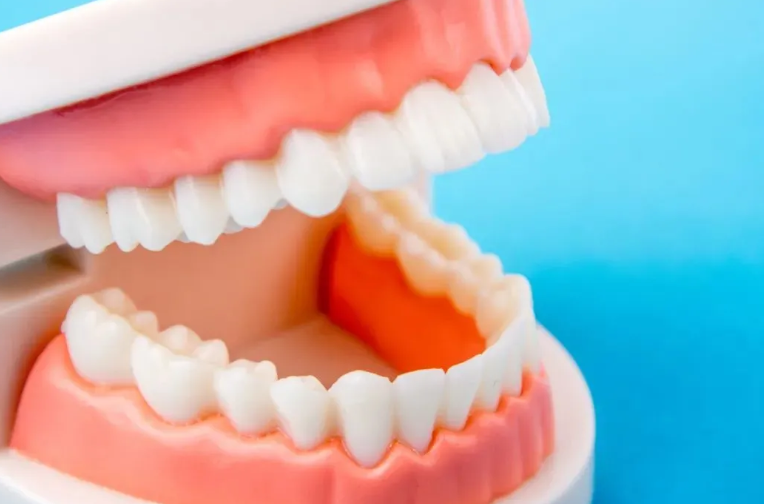
Don’t brush this area when brushing your teeth
Your teeth were brushed in vain
Dirt and grime can easily accumulate between teeth, but fortunately, toothpicks and toothbrushes can keep an eye on it.
The area we tend to overlook most easily is actually the root of the tooth, which is also the place where dental plaque is most likely to breed.
To effectively remove the hard-to-reach corners of dental hygiene, it is best to use the 45° oblique brushing method, also known as the Bass brushing technique.
Insert the bristles at a 45° Angle into the gingival sulcus by 1mm, covering the junction of the gum and the tooth neck. At the same time, avoid brushing horizontally over a large area with force.
One more crucial point is that you should brush your teeth for at least two minutes each time. If you can’t reach this number, you can reflect on whether you are brushing too carelessly.
In addition, pay attention. It is not advisable to brush your teeth immediately after a meal.
Because after eating, acidic substances are produced when food breaks down in the mouth.
At this time, teeth are relatively sensitive and the enamel is in a temporarily softened state. If you brush your teeth immediately, it will accelerate tooth wear.
It is recommended to clean your mouth with clean water or fluoride mouthwash after meals. Wait for 30 minutes before brushing your teeth to allow saliva to naturally neutralize the acidic environment.
It is also recommended that everyone have their teeth cleaned once a year to reduce the probability of dental plaque and tartar.
It is essential to take care of your teeth as early as possible. If you wait until all your teeth are damaged to make up for it, your heart and brain will also suffer.
Not only do you suffer yourself, but your wallet also suffers!