In the kitchen, when the faucet is turned on, the food is flushed – this seemingly hygienic action may actually allow bacteria to spread, pesticide residues to seep in, and sediment to accumulate deeply.
Especially the following five common ingredients, incorrect cleaning methods are quietly turning your kitchen into a “bacterial culture dish”.
—The First—
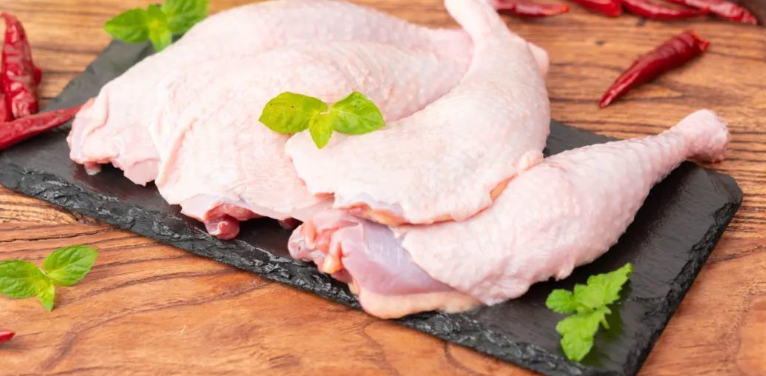
Raw meat
Rinsing = A “bacterial bomb” in the kitchen
Ninety percent of people are accustomed to rinsing raw meat with running water, attempting to wash away blood and bacteria.
However, Salmonella, Campylobacter and other bacteria on the surface of raw meat can splash onto sinks, countertops and knives under the impact of water flow, with a contamination radius of up to 80 centimeters.
About 40% of raw chicken carries Salmonella. Rinsing it is equivalent to “sowing” the pathogen in the kitchen.
The correct method is to put the raw meat in a special basin and soak it in clean water for 5 minutes to allow the blood to seep out. Then use kitchen paper to absorb the surface moisture and avoid rubbing. Wash the treated basin with detergent and wipe the countertop with alcohol.
After handling raw meat, wash your hands with soap for 20 seconds before dealing with other ingredients.
—The Second—
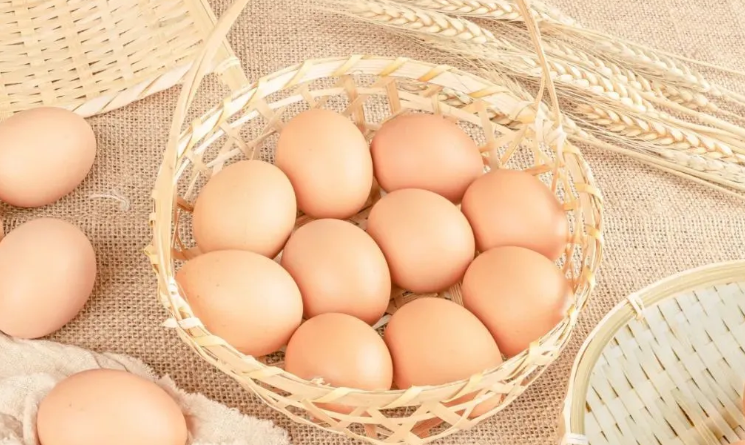
egg
Water washing = removing the protective film
Many people think that when they buy mashed eggs, they should immediately rinse and refrigerate them.
But in fact, the surface of eggshells has a natural antibacterial film (stratum corneum) that can seal pores as small as 0.03 millimeters.
Washing with water can damage this barrier, allowing Salmonella to enter the egg through the pores and even contaminate other foods in the refrigerator.
The pre-washed eggs in the supermarket have been sterilized and can be directly refrigerated at 4℃ without the need for further washing. Gently wipe the mud spots with a dry cloth or wet kitchen paper and wash them before cooking.
If water washing is necessary, gently brush with warm water, dry immediately and cook.
—The Third—
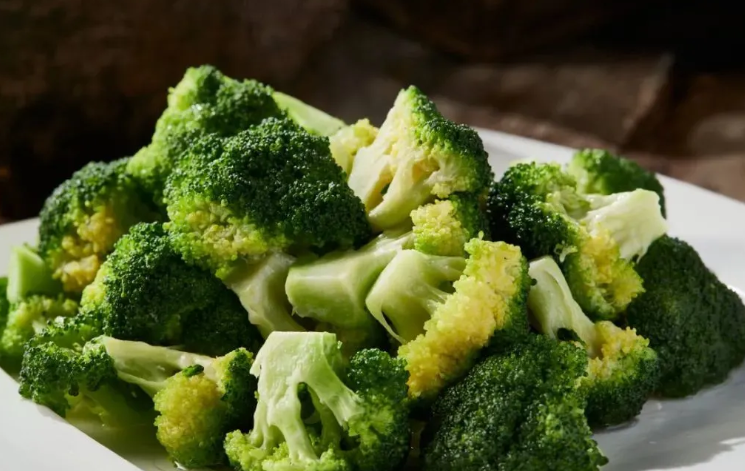
Broccoli
Soaking = meeting of insect eggs
Soaking broccoli in a fruit and vegetable cleaner for a long time actually doesn’t make much sense.
The dirtiness of broccoli is not due to bacteria or the like, but rather insect eggs.
The density of the gaps between its flower buds reaches 200 to 300 per flower, making it easy for honey worms and vegetable worm eggs to hide. Soaking in cleaning agents can damage the structure of flower buds, allowing pesticide residues to seep into the interior, and the survival rate of insect eggs still exceeds 60%.
To clean broccoli, first remove the hard skin from the stem and break it into small florets to increase the cleaning area. Then soak it in baking soda water (2g/100ml) for 5 minutes to dissolve pesticide residues and repel insects. Finally, blanch in boiling water for 3 minutes to completely inactivate the eggs.
—The Fourth—

Shellfish
“Chong Yao = Stabilizing the sand formation.
The most important thing in cleaning shellfish is to remove the sand.
So many people like to rinse the surface of shellfish under the tap or rub it with cooking wine.
However, the sand of mollusks is mainly stored in their bodies, with the sand content reaching up to 15% of their body weight. Intense flushing can trigger a stress response, causing the shells to close tightly and hindering the sand discharge. Eating unvomited sand grains may damage the digestive tract and cause diarrhea.
To clean shellfish, soak them in light salt water (with a salt content of 3%) for 1 to 2 hours, changing the water twice during the process. Drop a few drops of edible oil into the water. The oil film reduces the dissolved oxygen content, prompting the shellfish to open their mouths to breathe actively. Then gently brush the creases of the shell with a toothbrush. After boiling until the shells are fully open, discard the soup.
—The Fifth—
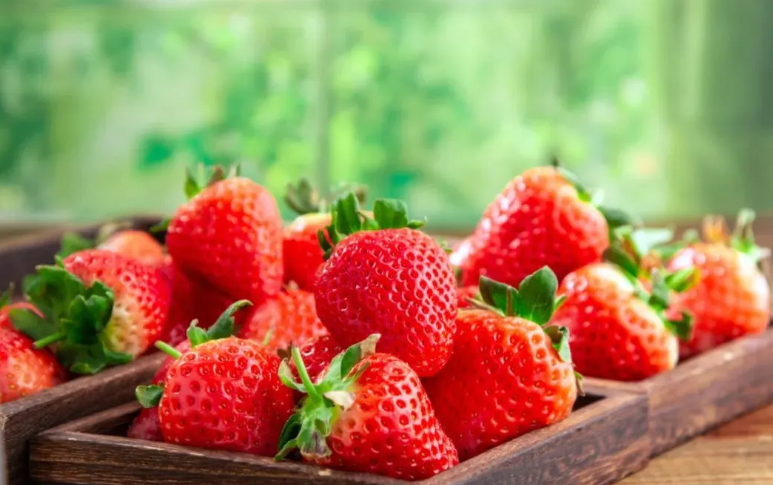
Strawberry
Pruning the stem = “internal infiltration” of pesticide residues
The stem of a strawberry is a natural “sealing plug”. After removing it, the flesh is exposed. Rubbing it will increase the penetration rate of pesticide residues through the cut by 70%. Damaged epidermis can also breed microorganisms, accelerating rot.
Strawberries should be rinsed with their stems on. Rinse them under running water for 30 seconds, keeping the stems to block contaminants. Then soak it in baking soda water (1 tablespoon /500ml) for 3 minutes to neutralize the acidic pesticide residues.
If you are still not reassured, you can also mix flour with water to make a paste and gently rub the strawberries to remove impurities in the crevices.
Just like people, each ingredient has its own “personality” : raw meat is afraid of splashing, eggs are afraid of breaking the membrane, broccoli is afraid of seepage, shellfish are afraid of stress, and strawberries are afraid of breaking the skin.
Washing vegetables is not a “strength competition”, but a tacit collaboration with the characteristics of the ingredients.
Only by mastering the correct cleaning method and understanding the characteristics of different ingredients can we retain nutrients while eliminating risks.