Depression is a common disease worldwide, affecting an estimated 3.8% of the global population. This is a serious medical and social issue that causes personal suffering, loss of productivity, increased medical costs, and a high risk of suicide.
The number of patients receiving antidepressant treatment is increasing every year, however, only 60-70% of patients respond to standard antidepressant medication treatment, which means that refractory depression may account for up to one-third of clinical depression patients. Therefore, it is necessary to continue searching for possible pathological mechanisms in order to find new, effective, and safe treatment methods. Recently, nutritional interventions, including the use of probiotics to control depression, have become a new topic for researchers looking for new methods to treat depression.
Microbial gut brain axis and depression
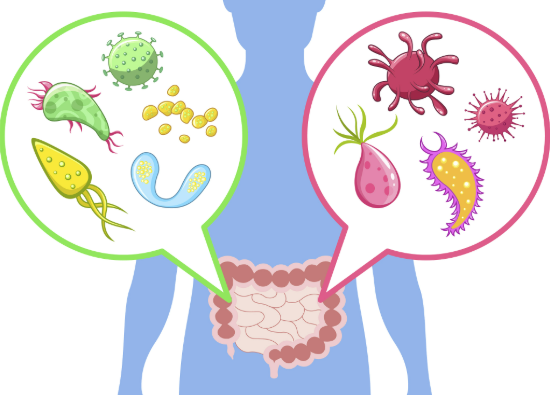
Currently, it is believed that depression is caused by complex interactions of multiple molecular mechanisms, mainly including decreased neurotransmitters, abnormal stress on the hypothalamic pituitary adrenal (HPA) axis, decreased levels of brain-derived neurotrophic factor (BDNF), increased intestinal pro-inflammatory response, and gut microbiota interacting with the brain through the vagus nerve. They have complex interactions with the gut brain axis and gut microbiota, commonly referred to as the microbiota gut brain axis. The pathway of microbiota gut brain axis regulation can affect neurobehavioral outcomes by influencing neuronal, endocrine, and immune processes.
The changes in the microbiota gut brain axis are interconnected with gastrointestinal problems, mental health issues, and neurological disorders. Dysbiosis of gut microbiota may lead to changes in the composition and function of gut microbiota, thereby affecting the production of metabolites and subsequently impacting neuronal activity, immunity, and intestinal inflammation.
In patients with depression, the abundance of Bacteroides in the gut microbiota increases, while the abundance of Blautia, Faecalibacterium, and Coprococcus decreases. Numerous studies have provided conclusive evidence that dysbiosis of the gut microbiota may lead to the occurrence of depression. For example, transplanting the fecal microbiota of depression patients into healthy rodents can lead to depressive like behavior, therefore, gut microbiota dysbiosis precedes the onset of depression and may promote its occurrence.
Although changes in gut microbiota may manifest in the early stages of mental illness and may lead to its onset, persistent pathological changes may further disrupt the gut microbiota environment, forming a vicious cycle.
- Metabolites of gut microbiota and depression
More and more preclinical and clinical studies emphasize that changes in the composition of specific microbial metabolites are associated with the occurrence and progression of depression by regulating the gut brain axis. The gut microbiota is a rich source of different metabolites that act as chemical toolboxes in communication between the gut and central nervous system through the gut brain axis, and their levels may partially reflect the metabolic capacity of gut microbiota.
These metabolites include tryptophan, gamma aminobutyric acid (GABA), histamine, short chain fatty acids (SCFAs), serotonin, dopamine, and acetylcholine (ACh). The multifaceted effects of microbial metabolites affect various mechanisms necessary for maintaining mental state, including the maturation of the immune and neuroendocrine systems, regulation of nutritional metabolism, and promotion of exogenous compound transformation. In addition, microbial metabolites play a crucial role in maintaining the integrity of the intestinal barrier, enhancing the elasticity of the mucosal layer, and preventing harmful pathogens and toxins from infiltrating the bloodstream.
short-chain fatty acids
Short chain fatty acids, including acetic acid, propionic acid, and butyric acid, are a type of fatty acid that is abundant in the proximal colon due to the fermentation of partially and indigestible polysaccharides such as dietary fiber or resistant starch. Short chain fatty acids can cross the blood-brain barrier and reach the central nervous system, allowing the gut microbiota to interact with the host brain. They significantly affect emotional states and cognition through G protein coupled receptors.
According to recent research, the bacterial strains most closely related to the production of short chain fatty acids are Bacteroidetes and specific bacterial species of Firmicutes. Rectal Lactobacillus, Fecal Rosebery, Horella, and Prevotella are the main butyrate producing bacteria in the intestine, while Vibrio, Lactobacillus, Bacteroidetes, and Propionibacterium are the main propionic acid producing bacteria. However, the production of acetic acid is usually carried out by various bacterial species.
Short chain fatty acids are the main energy source for colon cells, maintaining the intestinal barrier by promoting the production of mucin and strengthening tight junctions, regulating inflammatory responses, affecting intestinal motility, and controlling appetite regulating hormones, peptide YY (PYY), and glucagon like peptide 1 (GLP-1).
Another mechanism by which short chain fatty acids regulate systemic function is by inhibiting the activity of histone deacetylase, thereby promoting acetylation of lysine residues in various cellular nucleosome histones.
Short chain fatty acids may also be absorbed into the bloodstream and serve as substrates for certain metabolites such as serotonin and GABA, as well as participate in gluconeogenesis and adipogenesis.
Short chain fatty acids also play a key role in stress-related pathology, particularly in anxiety and depression related phenotypes. In addition, increasing the production of short chain fatty acids can improve neuroinflammation and stimulate the production of brain-derived neurotrophic factors involved in brain neuroplasticity.
In most cases, the content of short chain fatty acids in the feces of mice and patients with depression decreased. Fecal microbiota transplantation is an effective method for rebuilding gut microbiota and host function. Multiple studies have shown that transplanting fecal bacteria from stressed mice to germ free mice can lead to depressive like behavior in recipient mice. In addition, supplementing with short chain fatty acids can improve anxiety and depression like phenotypes caused by chronic social and psychological stress, as well as the accompanying behavioral changes.
Short chain fatty acids may also affect epigenetic modifications, especially butyric acid, which can lead to changes in gene expression in the gut and central nervous system. For example, there are reports that sodium butyrate can improve intestinal epithelial barrier damage, alleviate social behavior deficits, and enhance the neuroprotective function of microglia.
The homeostasis of microglia in the central nervous system is also regulated by short chain fatty acids. Mice lacking short chain fatty acid receptor FFAR2 exhibit microglial defects similar to those raised in sterile environments. Therefore, gut bacteria also play a crucial role in controlling the maturation and function of microglia.
Metabolites and neurotransmitters in the canine urinary ammonium pathway
Another type of metabolite produced by the gut microbiota is tryptophan derivatives synthesized through the kynurenine pathway. The five bacterial phyla, namely Firmicutes, Bacteroidetes, Actinobacteria, Proteobacteria, and Clostridium, are all related to tryptophan metabolism. The bacteria involved in tryptophan metabolism include Clostridium perfringens, Clostridium perfringens, Clostridium difficile, Clostridium difficile, Clostridium difficile, and Clostridium perfringens from the phylum Firmicutes, as well as members of the phyla Bacteroidetes, Clostridium difficile, and Proteobacteria. Certain gut bacteria, such as Lactobacillus, Lactococcus, Streptococcus, and Klebsiella, can increase gene expression of tryptophan synthase, leading to increased production of serotonin. In addition, there are research reports that the mucin producing bacterium Akman and its extracellular vesicles affect the mRNA expression of serotonin signaling and metabolism related genes in the hippocampus and colon through the gut brain axis.
The gut brain axis is involved in two key processes: (1) the conversion of tryptophan into the neurotransmitter 5-hydroxytryptamine, which plays a beneficial role in brain and intestinal function; (2) The tryptophan metabolic pathway produces canine urea, serotonin, and indole, which play a role in neuroendocrine and immune regulation. Under the influence of indoleamine-2,3-dioxygenase, tryptophan is converted into kynurenine, quinoline acid, and 3-hydroxykynurenine, leading to depletion of tryptophan and serotonin, exacerbating symptoms of emotional disorders and depression.
Monoamines derived from tryptophan, such as serotonin and 5-hydroxytryptamine, promote intestinal peristalsis by activating the 5-hydroxytryptamine receptors 5-HT4R and 5-HT3R. In the intestine, chromaffin cells synthesize 5-hydroxytryptamine with the help of tryptophan hydroxylase 1 (TPH1), and the expression of TPH1 mRNA is promoted by the gut microbiota, especially short chain fatty acids. Then, 5-hydroxytryptamine is selectively reuptake by transporters and absorbed by the intestinal epithelium, thereby affecting the development and signal transduction of the enteric nervous system. Recent studies have shown that short chain fatty acids produced by gut microbiota play a role in regulating the gut 5-hydroxytryptamine system, affecting the activity and expression of 5-hydroxytryptamine selective reuptake transporters and 5-HT1A, 5-HT2B, and 5-HT7 receptors.
Most serotonin is produced in the gut, and the level of serotonin in the gut does not directly affect the level of serotonin in the brain because serotonin cannot pass through the blood-brain barrier. However, research has found that gut microbiota can actually affect the brain’s 5-hydroxytryptamine system, as the levels of 5-hydroxytryptamine and its major metabolite 5-hydroxyindoleacetic acid in the hippocampus of male germ free mice are significantly increased compared to mice with normal gut microbiota that are regularly fed. These mechanisms collectively represent potential antidepressant pathways mediated by gut microbiota and their interaction with the serotonergic system.
In addition to serotonin, gut bacteria can also affect the production and regulation of neurotransmitters such as dopamine, acetylcholine, and GABA, affecting their availability in the brain. Specific bacterial species, such as Enterococcus faecalis and Enterococcus faecalis, participate in dopamine production through the decarboxylation of levodopa. Bacteroides can directly produce GABA through the glutamate decarboxylase system as a protective response against acid stress. In addition, bifidobacteria and lactobacilli can also produce GABA, enhancing inhibitory pathways in the brain network. The GABA produced by the intestine can affect the GABAergic signaling of the intestinal nervous system and affect intestinal motility. Some intestinal bacteria, such as Lactobacillus plantarum and Bacillus subtilis, can produce acetylcholine precursors and affect acetylcholine metabolism.
- Gut microbiota and central nervous system function and blood-brain barrier permeability
The gut microbiota can affect the integrity and function of the blood-brain barrier, potentially affecting the entry of various substances, including neuroactive factors, into the brain.
There is a close relationship between stress, gut microbiota, and blood-brain barrier disruption. Research has shown that chronic social frustration stress and learned helplessness in rodents can lead to impaired blood-brain barrier integrity by reducing the expression of tight junction proteins, resulting in a significant infiltration of pro-inflammatory cytokines into the central nervous system. Postpartum colonization of butyric acid producing Clostridium butyricum or acetic acid and propionic acid producing Pseudomonas aeruginosa can reduce the increased blood-brain barrier permeability and downregulation of tight junction proteins caused by sterile conditions. In addition, there is a correlation between the integrity of the blood-brain fluid barrier and gut microbiota, with a decrease in tight junction proteins in the choroidal plexus epithelial region of sterile mice ventricles.
The vagus nerve is an important channel that connects the gut and gut nervous system with the brainstem. This pathway promotes the transmission of signals related to gastrointestinal function to the central nervous system. The sensory fibers of the vagus nerve are equipped with specialized receptors on the inner wall of the intestine, which can detect signals triggered or produced by the gut microbiota. This pathway can detect the presence of specific metabolites, microbial byproducts, neurotransmitters from the gut nervous system, cytokines, or gut hormones.
For example, the vagus nerve has transmembrane molecular sensors, including G protein coupled receptors such as GPR41 and GPR43, which can be activated by short chain fatty acids. The production of neurotransmitters such as serotonin, GABA, and glutamate is influenced by the binding of microbial metabolites in vagal sensory neurons to specific receptors. Neurotransmitters produced in response to microbial signals can affect the intestinal nervous system and neural signals within the intestine. When the gut microbiota produces metabolites or signaling molecules, the sensory fibers of the vagus nerve can detect these signals and transmit them to the brain, conveying information about gut status and microbial activity.
- Microbial gut brain axis imbalance and depression
Stress can significantly disrupt intestinal homeostasis and alter the composition of gut microbiota. Chronic stress can increase the levels of fecal bacteria and clostridia in the human gut, while reducing the levels of lactobacilli and bifidobacteria.
In the chronic stress mouse model, higher levels of bifidobacteria were found in stress resistant mice, while levels of bifidobacteria were below the detection limit in susceptible mice. In addition, oral administration of bifidobacteria can significantly increase the number of stress resistant mice, which means that bifidobacteria can significantly enhance the compressive strength of mice. Therefore, supplementing with bifidobacteria may prevent the occurrence of depression caused by stress in humans.
The latest research reveals a correlation between the stress resistance of mice and the composition of their gut microbiota. The levels of Lactobacillus and Akkermansia in stress resistant mice are relatively high, but the levels of Bacteroidetes, Prevotella, Helicobacter, Lachnoclostridium, Breton, Rosella, Colidextibacter, and Trichomycteridae are relatively low. In this study, stress sensitive mice showed increased intestinal permeability, enhanced colonic immune response, and elevated levels of serum pro-inflammatory cytokines. In addition, their hippocampus showed increased activation of microglia, disrupted interactions between microglia and neurons, and decreased synaptic plasticity. Transplanting fecal microbiota from stress sensitive mice can disrupt the interaction between microglia and neurons in recipient mice, impair synaptic plasticity in the hippocampus, and lead to depressive like behavior after stress exposure. Therefore, gut microbiota may regulate the adaptive ability to chronic psychological stress by modulating the interaction between microglia and neurons in the hippocampus.
Recent studies have shown that the microbiota gut brain axis promotes the occurrence of depression through interaction with the vagus nerve, and the removal of the vagus nerve can affect the impact of fecal microbiota transplantation on stress-related behavior. Acute stress can trigger the activation of the hypothalamic pituitary adrenal axis and sympathetic adrenal medullary pathway, leading to excessive production of stress hormones, mainly cortisol and catecholamines. Elevated levels of stress hormones activate the sympathetic adrenal medullary pathway and stimulate lipid and hepatic glycogen breakdown processes, leading to vasoconstriction and elevated blood pressure. Chronic activation of the hypothalamic pituitary adrenal axis results in changes in the expression levels of inflammatory cytokines. In addition, stress-related hormones may directly cause changes in gut and oral microbiota.
Interestingly, in individuals experiencing acute or chronic stress, supplementation with specific strains of lactobacilli or bifidobacteria, such as Lactobacillus reuteri, can lower cortisol levels. Meanwhile, Lactobacillus rhamnosus can lead to reduced anxiety like behavior, reduced activation of dendritic cells, and increased levels of IL-10+regulatory T cells. A preclinical study has shown that oral administration of bifidobacteria can induce compressive strength. Supplementing mice with Bifidobacterium at a dose of 10mg per kilogram of body weight per day for 20 days can enhance their resistance to chronic social frustration stress and alleviate depressive symptoms. On the other hand, Faecalibaculum rodentium and the microbiota gut brain axis also play important roles in stress susceptibility and stress resistance. The depression like behavior and inflammation in Ephx2 gene knockout mice caused by rodent fecal bacteria can be prevented by removing the subphrenic vagus nerve. In addition, Clostridium perfringens can enter the brain by disrupting the blood-brain barrier, reducing neuronal activity and inhibiting neurotransmitter release.
- Gut microbiota and inflammation
The gut microbiota has a profound impact on the immune system, shaping inflammatory responses and states within the brain, coordinating complex interactions that regulate immune responses, promoting tolerance to symbiotic microorganisms, and helping to maintain immune homeostasis. A diverse gut microbiota is essential for robust immune function and appropriate immune regulation.
Mental illness is also related to changes in gut microbiota and is associated with anti-inflammatory or pro-inflammatory functions. A meta-analysis involving 1519 patients diagnosed with various mental disorders such as major depression, bipolar disorder, psychosis, schizophrenia, anorexia nervosa, anxiety, obsessive-compulsive disorder, post-traumatic stress disorder, and attention deficit/hyperactivity disorder showed consistent differences in microbial diversity. Specifically, compared to healthy controls, patients with depression have reduced levels of beneficial anti-inflammatory bacteria (such as Pseudomonas aeruginosa and Enterococcus faecalis) and increased levels of pro-inflammatory bacteria (such as Escherichia coli). Therefore, the characteristic of depression is a decrease in bacteria that produce anti-inflammatory compounds, while the abundance of pro-inflammatory microorganisms increases.
The main cause of systemic inflammatory response is increased intestinal permeability, which is commonly referred to as intestinal leakage. The mechanism of intestinal leakage mainly involves disruption of gut microbiota, breakdown of intestinal barrier, and damage to intestinal cells, leading to systemic inflammation, which is crucial for the pathophysiology of depression. Due to the occurrence of intestinal leakage, Gram negative bacterial lipopolysaccharides (LPS, also known as endotoxins) translocate into the bloodstream, triggering an immune response. LPS is a powerful stimulant for the synthesis of pro-inflammatory molecules by various effector cells, including immune cells (mainly macrophages, mast cells, and T cells) and central nervous system cells (such as astrocytes, microglia, and neurons).
In addition, due to the increased permeability of the blood-brain barrier, LPS represents the molecular link between gut microbiota dysbiosis and neuroinflammation. The pro-inflammatory molecules induced by LPS in cells include eosinophil activating chemokines, histamine, heparin, carboxypeptidase, trypsin like protease, chondroitin sulfate, interleukin, tumor necrosis factor alpha (TNF – α), macrophage chemoattractant peptide-1 (MCP-1), granulocyte macrophage colony-stimulating factor (GM-CSF), stem cell factor (SCF), platelet activating factor (PAF), leukotriene 4 (LTC4), and regulatory activation factor for normal T-cell expression and secretion (RANTES).
All these pro-inflammatory molecules, due to their small size, can freely pass through the blood-brain barrier through various mechanisms. More importantly, an increase in the concentration of pro-inflammatory mediators may affect the activity of essential enzymes in the canine urinary tract, such as indoleamine-2,3-dioxygenase.
As is well known, gut microbiota with pro-inflammatory phenotype can promote overactivation of immune cells. Intestinal epithelial cells express multiple pattern recognition receptors that bind to specific microbial derived components, such as pathogen related molecular patterns and injury related molecular patterns. In the intestine, pattern recognition receptors play a crucial role in regulating the composition of resident microbiota. Pattern recognition receptors can induce inflammatory signals, promote cell proliferation to respond to mucosal damage, and help eliminate pathogens and damaged or dead cells. Pattern recognition receptors also mediate antigen-specific adaptive immune responses and increase IgA production by triggering immunoglobulin isotype switching in B cells. When pattern recognition receptors are stimulated, communication through peripheral and central inflammatory pathways is regulated by many inflammation related proteins, including inflammasomes and cytoplasmic multiprotein complexes, which are induced with the involvement of pattern recognition receptors. Their assembly is initiated by the activation of intracellular NOD like receptors NLRP1, NLRP3, NLRC4, or AIM2, all of which are designed to respond to microbial products present in the cytoplasm. In the intestine, dysfunction of inflammasome formation is associated with immunopathology of the gut brain axis and chronic intestinal inflammation.
The impact of probiotics and healthy dietary patterns on depression
Some probiotics, when consumed in sufficient quantities, can be beneficial to the host’s mental health. These probiotics actively affect intestinal barrier parameters and regulate immune responses in intestinal related lymphoid tissue regions. Their beneficial effects include reducing cortisol levels and HPA axis activity, as well as regulating vagus nerve stimulation. Let’s take a look at what has been discovered in animal and human research?
- Preclinical animal model studies
Scientists have determined that gut microbiota composition affects animal behavior by infecting mice and rats with gut pathogens and studying their behavior. Any changes in the composition of gut microbiota may lead to the production of LPS by microorganisms, thereby activating inflammatory responses. The pro-inflammatory cytokines produced will send signals to the vagus nerve, connecting to the HPA axis and affecting behavior.
Behavioral tests have shown that probiotics can reduce the intensity of depressive behavior in rodents. In the depression model caused by myocardial infarction, supplementing probiotics can effectively reduce behavioral deficits and emotional memory processing. Supplementing probiotics can also restore the normal development and emotional stability of mother infant separated rats. In addition, supplementing with Lactobacillus helveticus R0052 and Lactobacillus rhamnosus R0011 can effectively reduce the intergenerational effects of stress on young mice. Supplementing with Lactobacillus helveticus R0052 can also reduce defects related to neuroplasticity and neurogenesis caused by chronic stress, and decrease HPA axis and autonomic nervous system activity by reducing cortisol and catecholamine levels. The use of probiotics composed of Lactobacillus helveticus R0052 and Bifidobacterium longum R0175 can significantly reduce visceral hypersensitivity reactions caused by chronic stress, which is associated with decreased levels of corticosterone, norepinephrine, and adrenaline.
The study also identified the positive effects of different probiotic strains. A research team from Taiwan investigated the role of Lactobacillus plantarum PS128 in early life stress mice and normal adult mice: open field experiments showed that Lactobacillus plantarum PS128 can increase the motor activity of early life stress mice and normal adult mice; In the elevated cross maze test, Lactobacillus plantarum PS128 helped reduce anxiety behavior in normal adult mice, but not in mice subjected to early life stress; In the forced swimming test and sugar water preference test, depression like behavior was reduced in early life stress mice, while normal adult mice did not. Under both basic and stress conditions, Lactobacillus plantarum PS128 can also reduce the elevation of serum corticosterone induced by early life stress in mice, but has no effect on normal adult mice. In addition, Lactobacillus plantarum PS128 reduced the levels of inflammatory cytokines in the serum of mice subjected to early life stress and increased the levels of anti-inflammatory cytokines. The dopamine levels in the prefrontal cortex of early life stress mice and normal adult mice treated with Lactobacillus plantarum PS128 were significantly elevated, while serotonin levels were only elevated in normal adult mice.
Another study conducted by Jiangnan University in China confirmed the beneficial effects of Bifidobacterium brevis CCFM1025 on animal models of depression. Research has shown that Bifidobacterium brevis CCFM1025 can help reduce anxiety and depressive behaviors. The inflammation caused by HPA axis reactivity is reduced, and the levels of IL-6 and TNF – α are lowered. In addition, brain-derived neurotrophic factor is upregulated. Supplementing with Bifidobacterium brevis CCFM1025 also restored the balance of gut microbiota, especially in the proportion of Actinobacteria to Proteobacteria.
In a similar preclinical study, researchers investigated the potential of Pseudomonas aeruginosa ATCC 27766 to alleviate symptoms of anxiety and depression. Supplementing with Pseudomonas aeruginosa ATCC 27766 resulted in higher levels of short chain fatty acids in the cecum and plasma IL-10 in rats. Supplementing with Pseudomonas aeruginosa ATCC 27766 also prevented stress-related effects such as the release of corticosterone, C-reactive protein, and IL-6.
In addition, Bifidobacterium infantis 35624 can correct the immune response of mother infant separated rats, reverse their behavioral defects, and restore basal norepinephrine levels in the brain. Swiss lactobacillus NS8 can improve anxiety and depression like behavior as well as cognitive impairment in rats with chronic restraint stress, with effects similar to or even superior to citalopram. It can also reduce the levels of plasma corticosterone and adrenocorticotropic hormone in chronic restraint stress rats, increase plasma IL-10 levels, restore hippocampal serotonin and norepinephrine levels, and increase the expression of hippocampal brain-derived neurotrophic factor mRNA. Lactobacillus rhamnosus JB-1 can reduce cortisol levels and decrease depression and anxiety related behaviors in stressed mice.
- Human clinical research
The successful preclinical animal model research results have also been translated into human clinical studies. The most extensively studied strains with anti anxiety and anti depression effects include Lactobacillus, Streptococcus, Bifidobacterium, Escherichia coli, and Enterococcus. Dietary fiber (prebiotics) can promote their growth and reproduction, such as oligofructose and oligogalactose. Therefore, not only active microorganisms, but also other substances that support the growth of probiotics (prebiotics) and their metabolites (prebiotics) can provide health benefits by interacting with the human gut microbiota.
Research has confirmed that products or supplements rich in live bacterial cultures, such as Bifidobacterium bifidum, Bifidobacterium lactis, Lactobacillus acidophilus, Lactobacillus brevis, Lactobacillus casei, Lactobacillus salivarius, or Lactobacillus lactis, have a positive effect on improving overall well-being and the severity of depressive symptoms after approximately 3-4 weeks of use.
Researchers have studied the effects of Lactobacillus plantarum Daitian strain on gut brain interactions under stress conditions in both human and animal models. In the clinical research section, healthy medical students who are preparing for an important exam will receive daily supplements of Lactobacillus casei Daida strain fermented milk or unfermented milk placebo for 8 consecutive weeks. During the experiment, participants were required to complete daily and weekly questionnaires regarding any physical discomfort. In addition, saliva samples were collected at the beginning of the study, 6 weeks after intervention, the day before the exam, and immediately after the exam to measure cortisol levels. The author observed that on the day before the exam, the cortisol levels in the probiotic group changed significantly from baseline compared to the placebo group. In terms of physical symptoms, the incidence of influenza like symptoms and abdominal symptoms in subjects supplemented with Lactobacillus casei Daida strain was significantly lower than that in the placebo group, which once again proves the positive effect of probiotics.
In another study, to determine the effect of daily supplementation of Lactobacillus casei Daida strain on stress and anxiety in athletes, 20 male athletes were supplemented with probiotics containing 1 × 10⁹ CFU of Lactobacillus casei Daida strain daily for 8 weeks. At the beginning, 4th week, and 8th week of the study, anxiety and perceived stress were measured using anxiety scales and stress level scales. Research has found that daily supplementation of probiotics can significantly reduce anxiety and perceived stress levels.
Other research results also indicate that the intervention of Lactobacillus plantarum JYLP-326 is an effective strategy for alleviating anxiety, depression, and insomnia in anxious college students. Supplementing with Lactobacillus paracasei daily for 9 consecutive weeks can significantly improve constipation and depressive symptoms in patients with depression. In addition, the IL-6 levels in the probiotic group were significantly lower than those in the placebo group.
In a randomized, double-blind, placebo-controlled clinical trial of 40 patients with depression, they were randomly divided into two groups and supplemented with probiotic capsules composed of Lactobacillus acidophilus (2 × 10⁹ CFU/g), Lactobacillus casei (2 × 10⁹ CFU/g), and Bifidobacterium bifidum (2 × 10⁹ CFU/g), and placebo for 8 weeks. Compared with the placebo group, patients supplemented with probiotics showed a significant decrease in Beck Depression Scale scores.
Adding probiotics such as Clostridium butyricum to the diet of patients diagnosed with refractory major depression in combination with antidepressants can significantly reduce Hamilton Depression Scale scores.
Lactobacillus helveticus R0052, Bifidobacterium longum R0175, and Lactobacillus plantarum 299v can significantly reduce the HPA axis’s response to pressure, manifested as a decrease in salivary cortisol levels.
In addition, regular consumption of probiotic yogurt containing Lactobacillus acidophilus LA5 and Bifidobacterium lactis BB12 strains, as well as the addition of multi strain probiotics containing Lactobacillus casei, Lactobacillus acidophilus, Lactobacillus rhamnosus, Lactobacillus bulgaricus, Bifidobacterium brevis, Bifidobacterium longum, and Streptococcus thermophilus to the diet, significantly improved the health parameters and depression, anxiety, and stress scale scores of 70 petrochemical workers after 6 weeks.
On the other hand, a study evaluated the results of supplementing 24 week inactivated Lactobacillus plantarum CP2305, which showed that compared to placebo, it can help reduce anxiety by affecting gut microbiota composition and have a positive impact on sleep quality in adults who are under long-term stress.
A meta-analysis of 13 studies confirms that strategies for regulating gut microbiota, such as probiotics, may become a new approach for treating mild to moderate depression. The antidepressant effect of probiotics is significantly better than that of prebiotics and symbiotic bacteria. It is interesting that gender plays a significant role in the response to treatment. A study with a lower proportion of women found a significant decrease in depression symptom scores.
There are also studies investigating the role of synbiotics, which is a combination of probiotics and prebiotics. In this study, 32 volunteers were supplemented with synbiotics daily for 12 consecutive weeks, which contained 5.0 × 10⁹ CFU of Lactobacillus paracasei HII01 and 5.0 × 10⁹ CFU of Bifidobacterium lactis, as well as 5g of oligogalactose and 5g of oligofructose. The results showed that participants who considered themselves stress free significantly reduced tryptophan levels and increased levels of TNF – α, 5-hydroxyindoleacetic acid, and short chain fatty acids, including acetic acid and propionic acid, by supplementing with synbiotics. Importantly, the levels of stress hormones cortisol and LPS were reduced in both the stress and non stress groups, while the levels of anti-inflammatory mediators IL-10 and immunoglobulin A (IgA) were significantly increased. Therefore, synbiotics supplements may help alleviate negative emotions in stress subjects by regulating the HPA axis and also reduce inflammation in the body. However, it should be noted that this effect may not be as pronounced in people without stress. In this study, participants who did not experience stress did not benefit as much from supplementing with Synbiotics in improving their mood, but it still had a positive impact on the levels of probiotic metabolites, such as short chain fatty acids and tryptophan catabolism.
Probiotics are indigestible food components that stimulate the growth or activity of beneficial bacteria in the gut. A 8-week probiotic oligogalactose treatment for 27 patients with depression did not show significant antidepressant effects. Although supplementing probiotics alone does not significantly alleviate depressive symptoms, adding prebiotic inulin to probiotics has a positive impact on psychological outcomes and inflammatory biomarkers.
Dietary fiber also plays an important role in regulating the gut brain axis and is a crucial component of a balanced diet. Research has confirmed the link between dietary fiber intake and the risk of depression. An observational study of over 69000 postmenopausal women found that high dietary fiber intake (approximately 21 grams per day) can reduce the risk of depression symptoms by 14% after 3 years. In contrast, people with relatively low dietary fiber intake (about 14 grams per day) only reduced their risk by 4%. Interestingly, increasing the intake of soluble fiber instead of insoluble dietary fiber is associated with a reduced incidence of depressive symptoms in both males and females. In addition, increasing dietary fiber from vegetables (including soy products) is associated with a lower risk of depression in both men and women.
Dietary fiber is a key component of a healthy diet, and unlike other nutrients such as carbohydrates, fats, or proteins, it cannot be digested by the human digestive system. Therefore, it will enter the large intestine completely and be partially or completely fermented by the bacteria living there. The fermentation of dietary fiber by gut microbiota produces bioactive molecules, such as short chain fatty acids including acetic acid, propionic acid, and butyric acid. The two main types of bacteria in the gut microbiota are Bacteroidetes and Firmicutes. The former produces more acetic acid and propionic acid, while the latter produces more butyric acid. Many researchers believe that short chain fatty acids produced by bacteria are one of the main mechanisms by which dietary fiber affects inflammation, thereby affecting the risk of related diseases, including depression.
Omega-3 fatty acids are an important component of cell membranes, especially those present in brain structures, as it has been proven that brain gray matter can contain up to 50% polyunsaturated fatty acids in its structure, of which 33% are omega-3 fatty acids, primarily docosahexaenoic acid (DHA) and eicosapentaenoic acid (EPA). It is not surprising that the lack of DHA and EPA is associated with brain dysfunction and insufficient production of neurotransmitters, especially serotonin, norepinephrine, and dopamine, due to their important roles in brain activity. For example, DHA deficiency is associated with impaired transmission of serotonin, norepinephrine, and dopamine, which in turn is crucial for the occurrence of emotional disorders such as depression. Supplementing with omega-3 fatty acids can help preserve and restore the normal function of gut microbiota after experiencing pathological conditions (such as antibiotic treatment). This is related to an increase in bifidobacteria and a decrease in Escherichia coli, which in turn may affect a person’s behavior. To prevent the negative effects of omega-3 fatty acid deficiency, it is recommended to regularly include it as part of the diet (such as eating fatty fish 1-2 times a week) or supplement it appropriately, providing at least 250 milligrams of omega-3 fatty acids per day. It has been proven that people who frequently eat fish are less likely to suffer from depression. Similarly, supplementing with omega-3 fatty acids in the form of fish oil can also help alleviate symptoms of depression. In addition, according to the measurement of the Geriatric Depression Scale, elderly people who regularly eat about 300 grams of fish (more than 3 times a week) have a 66% lower risk of developing depression than those who never or rarely eat fish. Interestingly, the opposite effect was observed in those who ate fried fish, with a higher risk of increased depressive symptoms.
Polyphenols are a variety of naturally occurring compounds in plants, known for their antioxidant properties and potential health benefits, including neuroprotection. Researchers studied the neuroprotective effects of chlorogenic acid and its main metabolites caffeic acid, ferulic acid, and quinic acid in primary cultured rat neurons exposed to various neurotoxic stressors. Research has shown that chlorogenic acid and caffeic acid have significant protective effects on neuronal nitrification stress induced by sodium nitroprusside. In addition, caffeic acid and ferulic acid have significant protective effects against excitotoxicity caused by glutamate. It is worth noting that caffeic acid exhibits protective effects in a wide range of stressors, including hydrogen peroxide induced oxidative stress, excitotoxicity, endogenous apoptosis, endoplasmic reticulum stress, and proteasome inhibition.
Baicalin is a flavonoid compound mainly extracted from the root of Scutellaria baicalensis, which has neuroprotective and cognitive enhancing effects. These effects include antioxidant stress, anti excitotoxicity, anti apoptotic and anti-inflammatory effects, as well as promoting the expression of neurogenesis and neuroprotective factors. Baicalin, as a compound that supports the treatment of ischemic stroke, Alzheimer’s disease, and Parkinson’s disease, has shown potential for anti anxiety and anti depression.
Curcumin is the main active ingredient in the spice turmeric. Studies have shown that curcumin plays a role in affecting neurotransmitter levels, inflammatory pathways, excitotoxicity, neuroplasticity, HPA axis disorders, insulin resistance, oxidative stress, nitrification stress, and the endogenous cannabinoid system, all of which may be involved in the pathogenesis of depression.
Celery sugar glycyrrhizin is a type of flavonoid compound derived from licorice. A recent study investigated its role in inflammatory bowel disease, which can lead to depression in patients. The results indicate that celery sugar glycyrrhizin can significantly improve the overall condition of colitis mice and alleviate related depressive behaviors. It can also reduce the expression of pro-inflammatory cytokines, regulate the differentiation of Treg/Th17, and increase the production of short chain fatty acids in inflamed colon tissue. Importantly, the fecal microbiota of mice treated with celery sugar glycyrrhizin transplantation can also improve Treg/Th17 balance, indicating that gut microbiota plays an important role in the mechanism of action of this compound.
summary
The microbiota gut brain axis is a complex communication network that connects the gut, gut microbiota, and brain, affecting various aspects of health and disease. Dysbiosis of gut microbiota can significantly affect the microbiota gut brain axis, leading to changes in gut microbiota composition and function. The gut microbiota plays an important role in the digestion and absorption of nutrients, and emerging evidence suggests that the gut microbiota and its metabolites have a significant impact on brain function and nervous system regulation, which can affect the occurrence of mental illnesses, particularly depression and anxiety.
The changes in human diet, including dietary patterns, habits, and food processing, greatly affect intestinal health. In addition, modern life and its impact on intestinal flora have also fundamentally changed the scope of human diseases, from traditional infectious diseases to increasingly frequent psychological diseases, such as depression. In recent decades, mental illness has become a major public health issue that seriously affects individuals’ daily lives and work, and has received increasing attention. The incidence rate of psychological diseases is getting higher and higher, and now even more and more children and adolescents need to receive medication, psychotherapy and psychological education intervention.
Ensuring a healthy diet and maintaining optimal intestinal function are crucial for maintaining mental health. Probiotics have a positive effect on the intestinal barrier, immune response, cortisol levels, and hypothalamic pituitary adrenal axis, thus showing great potential in the treatment of depression. The use of specific probiotic strains seems to normalize immune responses, restore healthy gut microbiota, and reverse depressive behavior, but this positive and feasible treatment approach has been largely overlooked.
Integrating probiotics into daily diet may become an important aspect of maintaining physical and mental health, and it has become a promising drug for solving mental health problems, providing new methods to help depression patients overcome the haze, especially when traditional treatments are ineffective. Long term work and life stress often make us feel depressed, and in severe cases, it may lead to the occurrence of depression. Perhaps supplementing with some probiotics can easily resolve it. In the future, we may not need complex drugs to treat depression, and we can also avoid the trouble of drug side effects. All we need to do is protect our gut microbiota. Changing our diet and nurturing our gut microbiota may easily help us maintain good physical health and a relaxed mood.