When the cruise ship finally sailed through the daunting Drake Passage, it revealed a mirror-calm sea. The “survived” passengers flocked to the deck, greedily admiring the surrounding islands and floating icebergs. At this moment, we can finally get out of the cabin and truly embrace this pure world of ice and snow.
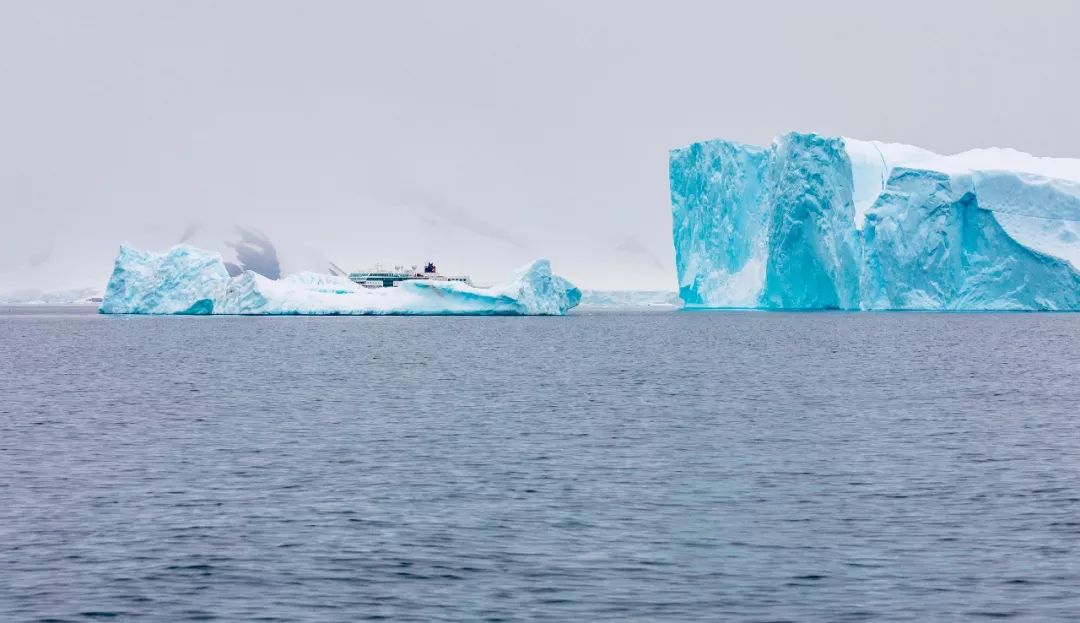
Floating icebergs
We boarded the galloping assault boat, sailed towards the research station, and began to feel the colors of Antarctica at zero distance. Ice and snow will be our most faithful companion throughout the expedition. If there are thousands of expressions of human admiration for beauty, then the glaciers in Antarctica can surpass all your imagination in all kinds of gestures, and make you sincerely admire the marvelous workmanship of nature.
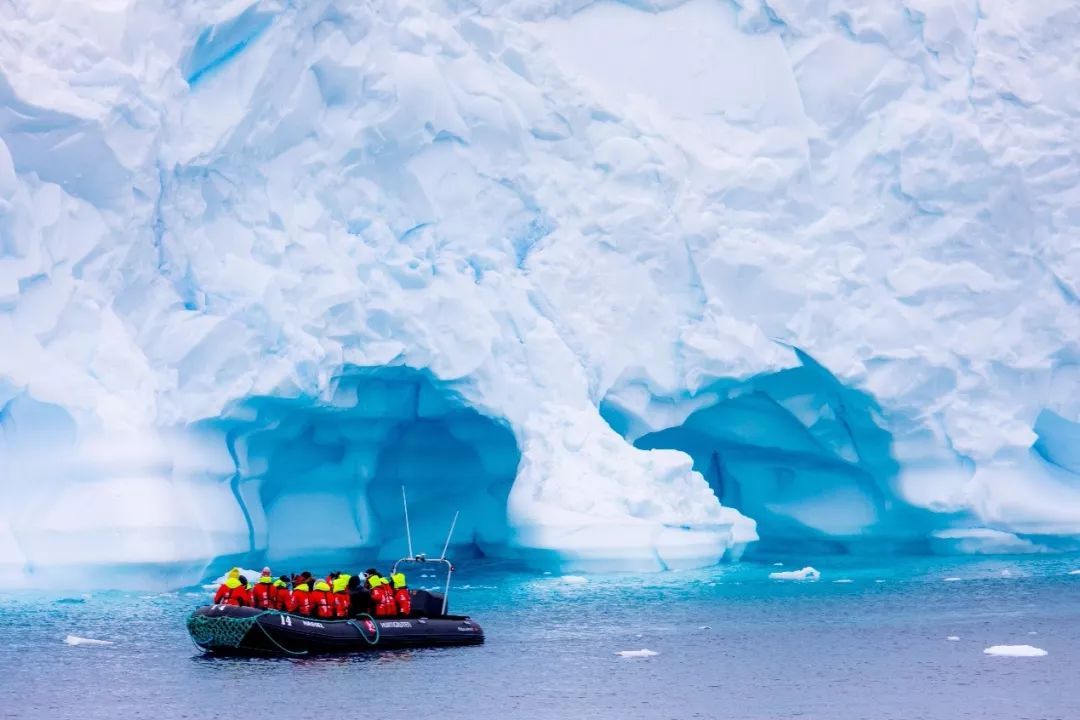
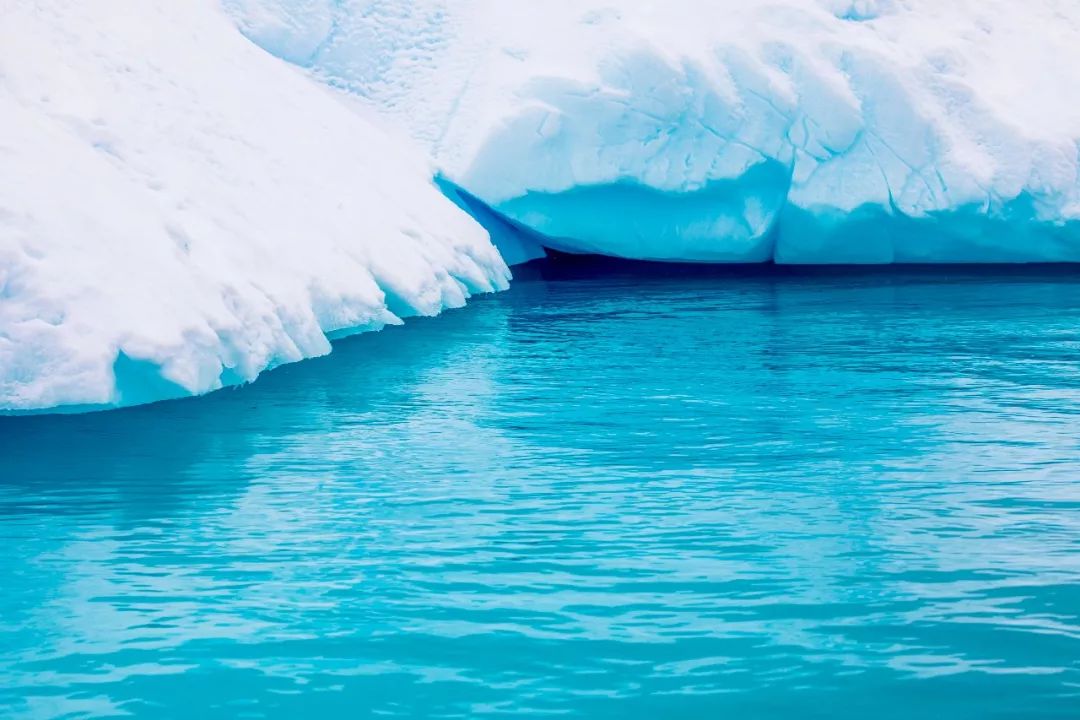
Feel the colors of Antarctica up close
The scene in front of us is extremely dreamy: the clouds in the sky are white, the sea water is deep gray, and the most fascinating thing is the blue of icebergs. If we hadn’t seen it with our own eyes, it would be hard for us to believe that natural ice cubes can show such a smart and deep blue color. This blue color was pure without a trace of pretension, as if it was a color only found in dreams. It was so clear that people couldn’t move their eyes away. What’s even more wonderful is that this blue is alive-the light passing through the clouds can change its shade, and every stroke of the waves will leave a blue pattern of varying shades like marble texture on the ice surface.
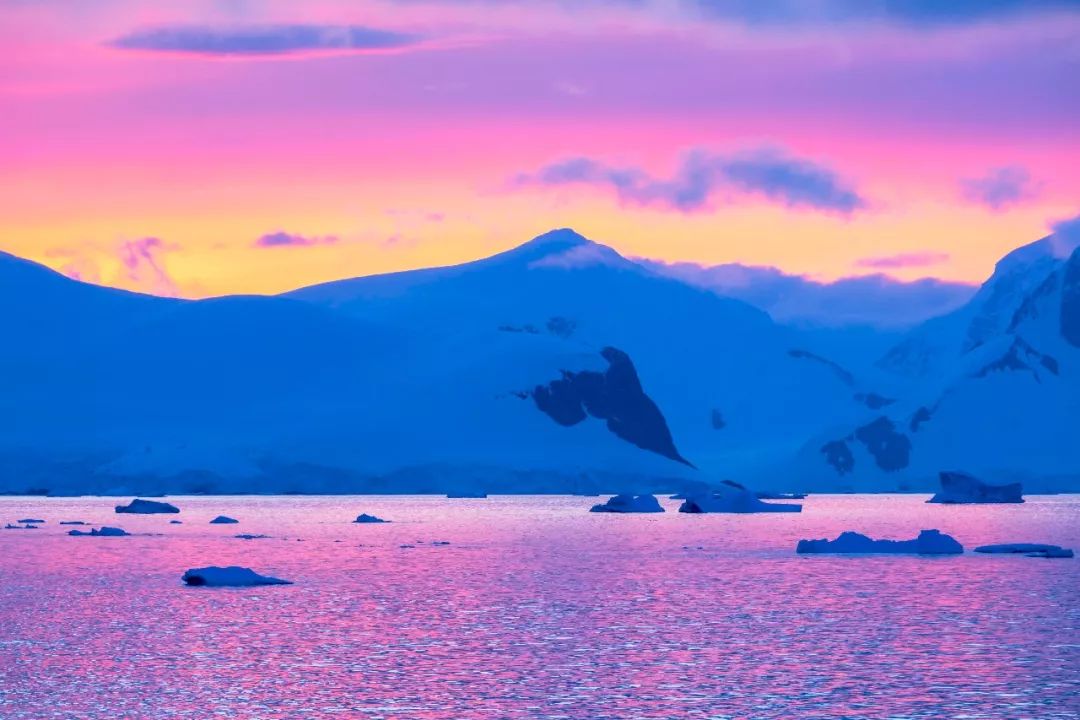
Extremely dreamy Antarctic colors
Large pieces of freshwater ice floating around them like solidified sky, all of which originated from the fracture of the edge of the polar ice sheet and then falling into the sea. The part of the iceberg that emerges from the water is only a small part of its huge body, and the idiom “the tip of the iceberg” is most intuitively confirmed here. John, the pilot of the assault boat, explained the origin of this magical blue color: Antarctic icebergs are formed from snow rather than sea water. Thousands of years of snow has been compacted layer by layer, forming glacial ice with extremely high density. When sunlight penetrates tiny gaps and bubbles in the ice layer, red and orange light with longer wavelengths in the spectrum are absorbed, while blue and violet light with shorter wavelengths are scattered, covering the iceberg with this fascinating blue coat.
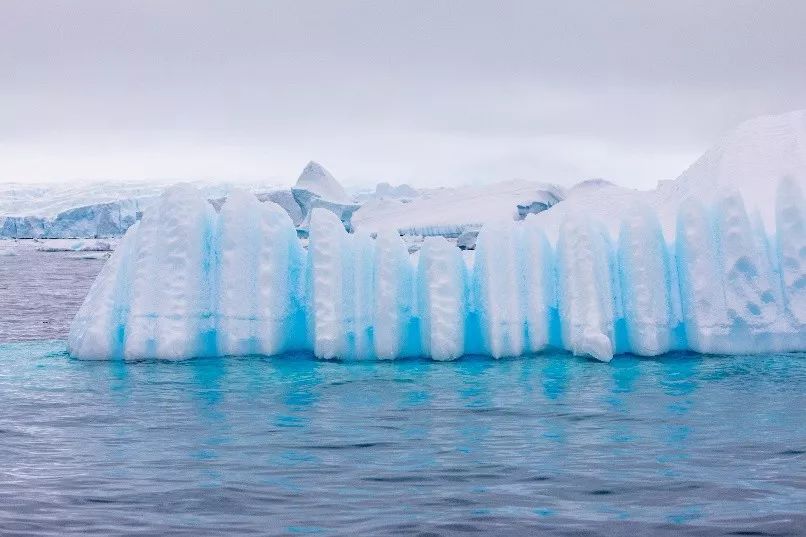
Icebergs have various shapes
The shapes of icebergs are even more varied, some like towering mountain peaks plunging into the sky, while others float quietly like wide platforms. Huge icebergs can stretch for hundreds of meters, making huge cruise ships look small in front of them; The mini iceberg may only be a few square meters, not even enough for a seal to stretch its body. Among them, the most interesting ones are those icebergs with natural “barcode”-like blue stripes. They are called “Sydney Opera House Icebergs”. Those beautiful stripes are formed by freezing after fresh water seeps into ice cracks, which makes people sigh the wonder of nature again.
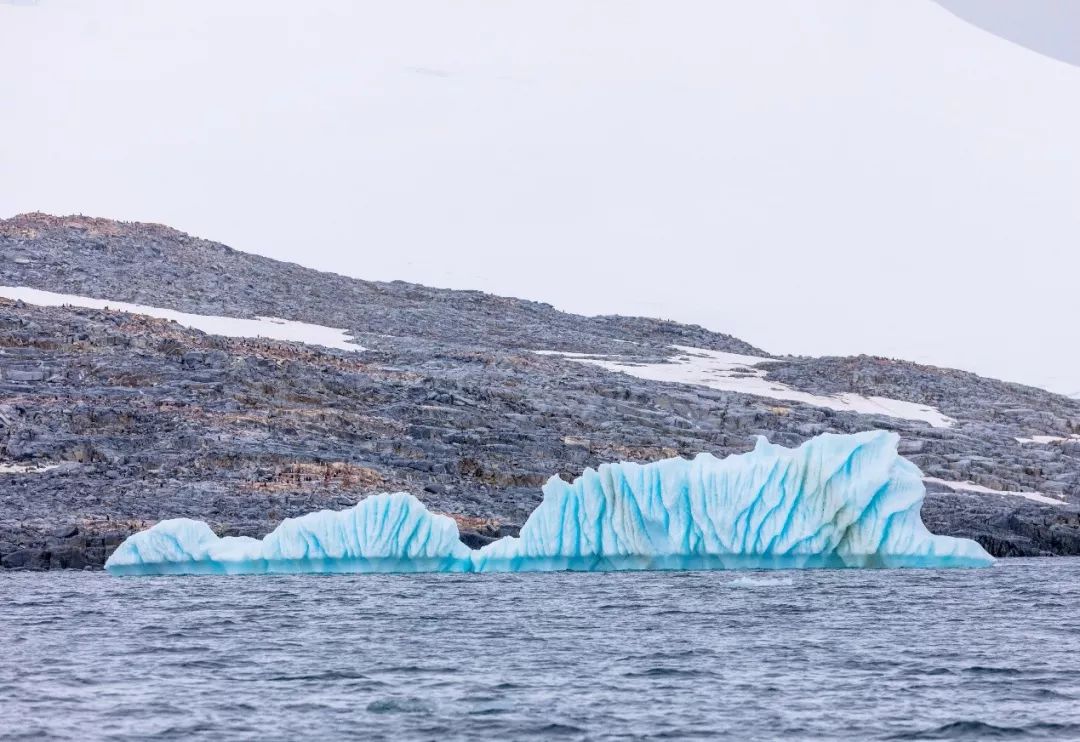
Sydney Opera House Iceberg
If you look carefully, the flat ice floes are often “rest stops” for animals. Fur seals snooze on them when they are tired, and penguins waddle by, leaving a lovely trail of footprints; A seal that had just finished a full meal had no time to wipe the corner of its mouth, and its comfortable and lazy appearance was just captured by the camera.
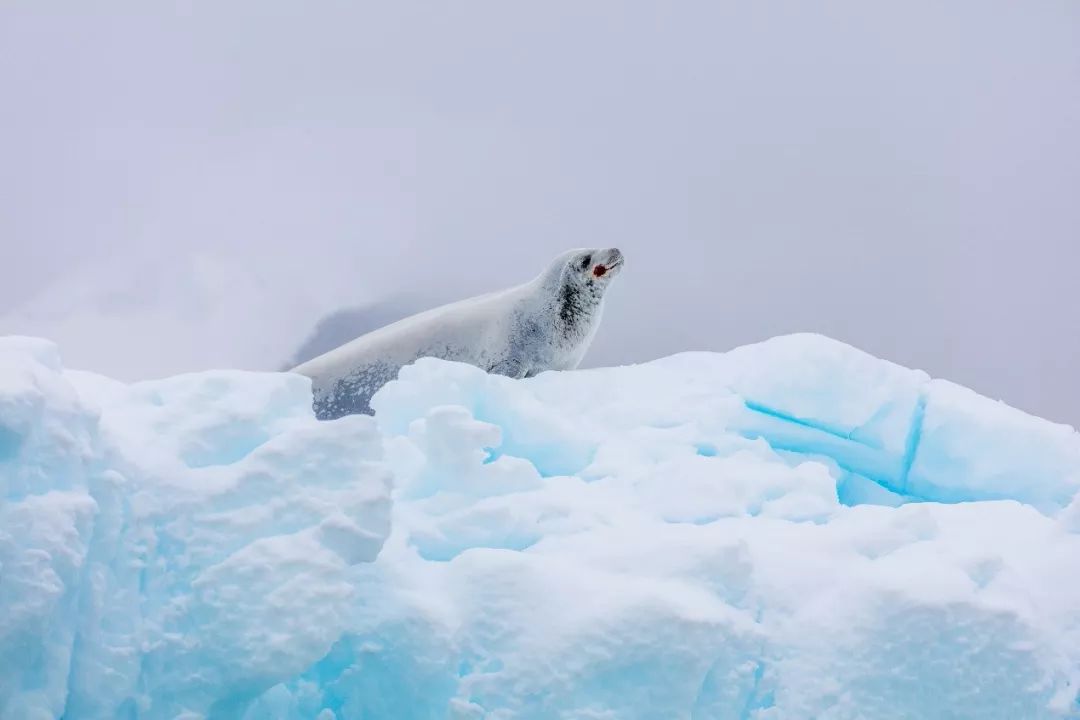
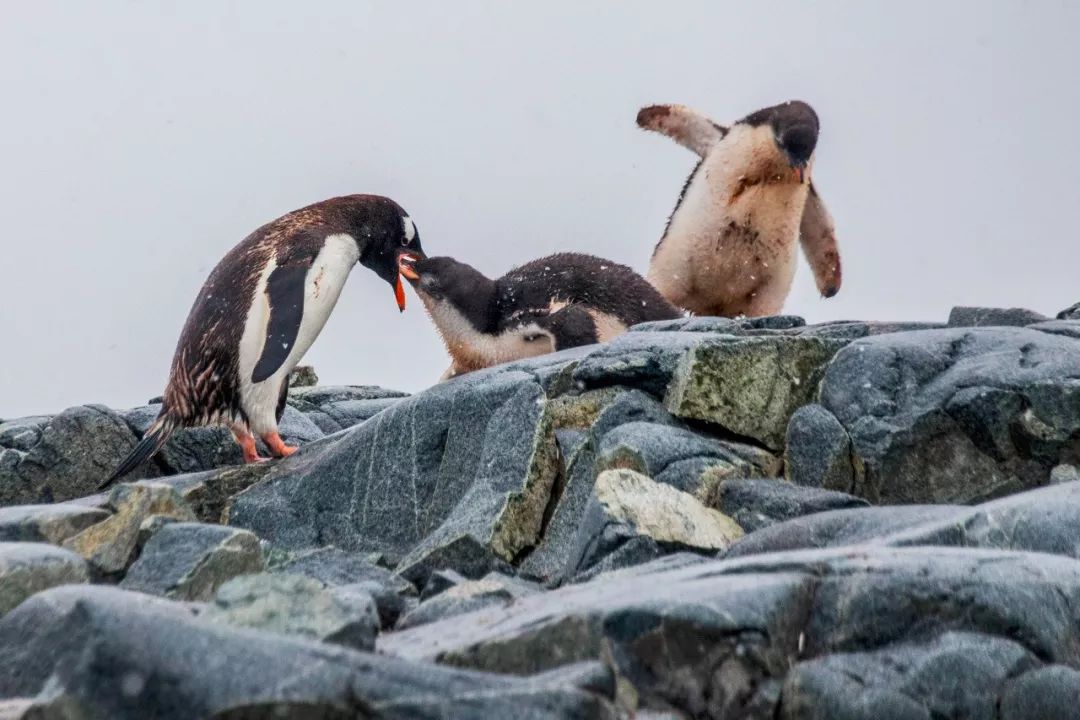
Animals appearing on icebergs
Near the end of the cruise, the crew will carefully collect some ancient iceberg ice cubes and bring them back to the ship to make special whiskey for the passengers. The average “age” of these icebergs is over 5,000 years old, and they are pure water that has gone through vicissitudes and has not been polluted by any industry. When this cold ice that spans thousands of years meets warm and mellow spirits, it collides with an indescribable wonderful taste that spans time and space.
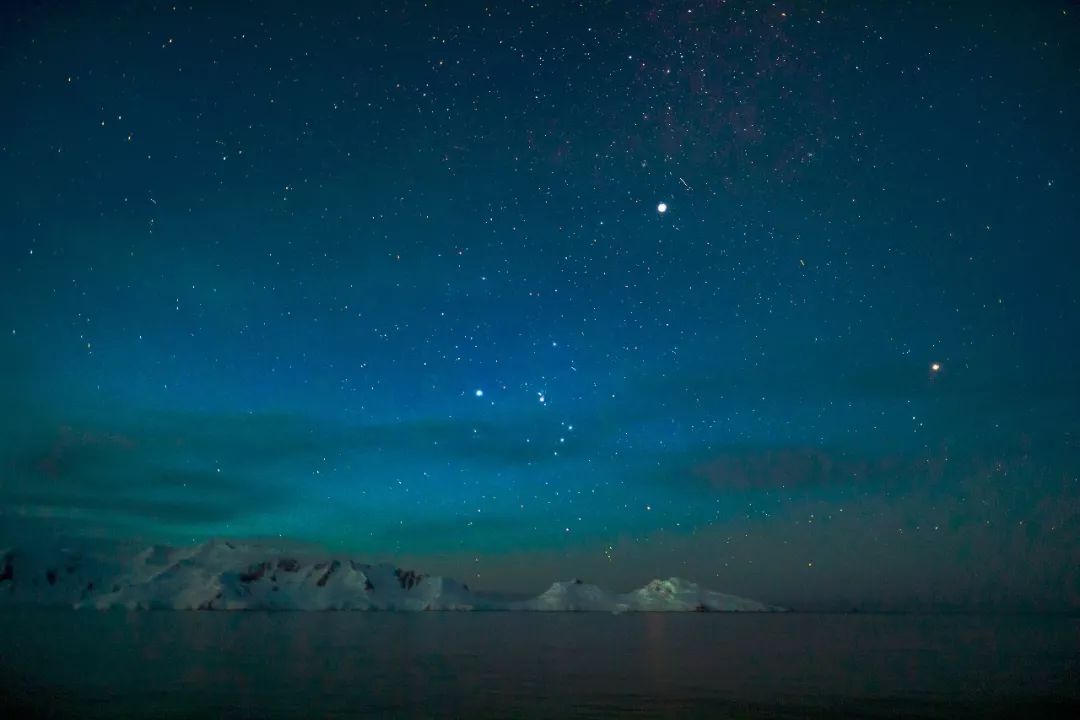
Antarctica at night
When you return to the warm cruise ship from the glacier world, hold a glass of whiskey blended with ancient Antarctic ice, sit in front of the floor-to-ceiling window, looking at the snow-capped mountains looming in the mist in the distance, blue ice floes gently rippling on the sea, penguins are queuing home, and occasionally whales gracefully raise their tail fins to say goodbye to you. This situation is enough to treasure it forever in my heart. Perhaps many years later, when the years pass and the years get old, I will still have new feelings and warmth coming to my mind when I recall this scene.