It is hard to deny that India is a land of magic. Whenever I mention it, I always feel an indescribable complicated feeling in my heart. Not long ago, the film Mysterious Superstar starring amir khan was released in cinemas. In the film, the Indian girl named Yin Xiya broke through the double shackles of family and society and insisted on going to Mumbai, India, to pursue her musical dream. So, why Mumbai?
Mumbai, the second most populous city in India, is also the largest seaport in India. Here, you can see the most luxurious and magnificent landmark buildings in this country, as well as the largest slums in Asia. The “Gate of India”, located on the banks of Mumbai Bay, was built in 1911, which combines the architectural features of India and Persia. Standing in front of this arch, you can truly feel the strong atmosphere of life in Mumbai. Chhatrapati Shivaji Terminal (formerly known as Victoria Railway Station) has remained the same since it was put into operation in 1887. The ancient railway tracks, trains and ticket offices are still running normally after a hundred years, and even the old ceiling fans overhead are still whirring; Dharavi slum, widely known for the movie Slumdog Millionaire, is the largest slum in Asia and the second largest slum in the world. There are not only schools, mosques, food stalls, vegetable markets, but also countless houses, where people from different regions and faiths coexist peacefully. The coastal avenue built along Baker Bay was built in 1920, like a crescent moon dotted on the beautiful coastline, attracting tourists from all over the world…
Mumbai is a “city of stars” beyond imagination. It has the world-famous “Bollywood” and countless wonderful movie locations. Those shots full of strong contrast and sense of crossing are often born here. At the same time, Mumbai is also a “city of contradictions” with huge contrasts. Extreme luxury and extreme poverty, modern advancement and primitive backwardness, full hope and deep despair are all intertwined and collided here, constantly impacting the senses of every traveler, which is unforgettable.
Suspense-like Dharavi slum
As the financial center of India and the heart of commercial and entertainment industries, Mumbai offers more job opportunities and a higher standard of living than other parts of India, thus attracting waves of immigrants from all over the country. Today, the city has a population of more than 21 million, forming a super metropolis that includes various social groups and cultures.
However, high housing prices and living costs also make Mumbai the most difficult place to settle down in India. For this reason, the largest slum in Asia and the second largest slum in the world has been born here-Dharavi slum with a population of more than 1 million in an area of only 2 square kilometers.
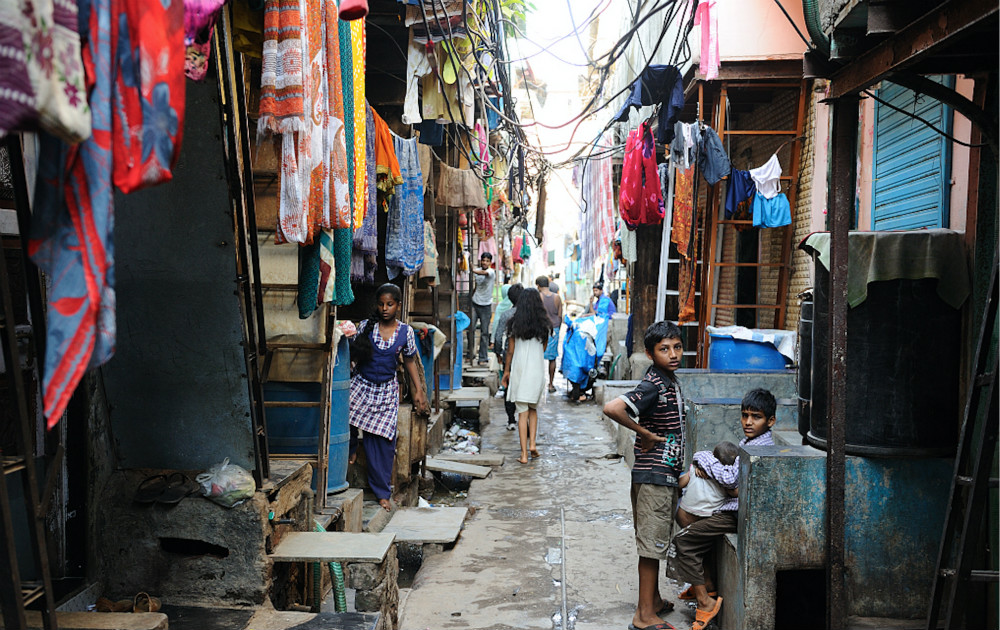
Dharavi slum
The embryonic form of Dharavi appeared as early as the 19 th century. At first, it was just a small fishing village. With the deepening of British colonial rule in Mumbai and the rapid development of the textile industry, a large number of workers poured into Mumbai, and the population of Dharavi began to grow dramatically.
Most of the people who come here have different livelihood skills. Therefore, Dharavi is naturally divided into small communities, and people in each community are often good at the same craft, such as pottery, sewing, hand embroidery, leather processing, waste plastic recycling and so on. Everyone is working hard to make money and sees Dharavi as a springboard to a better life in Mumbai.
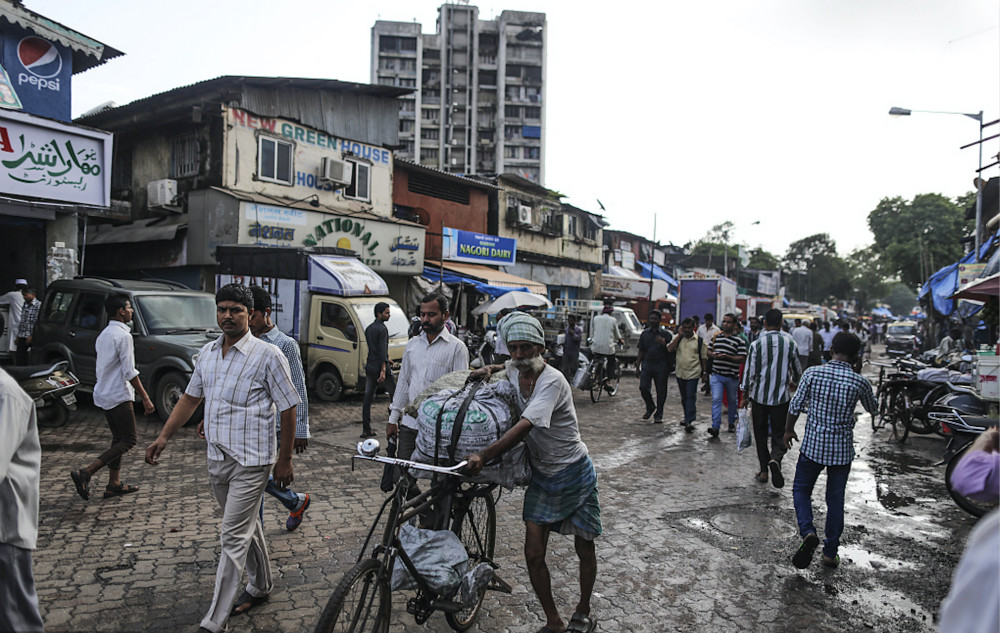
Dharavi slum
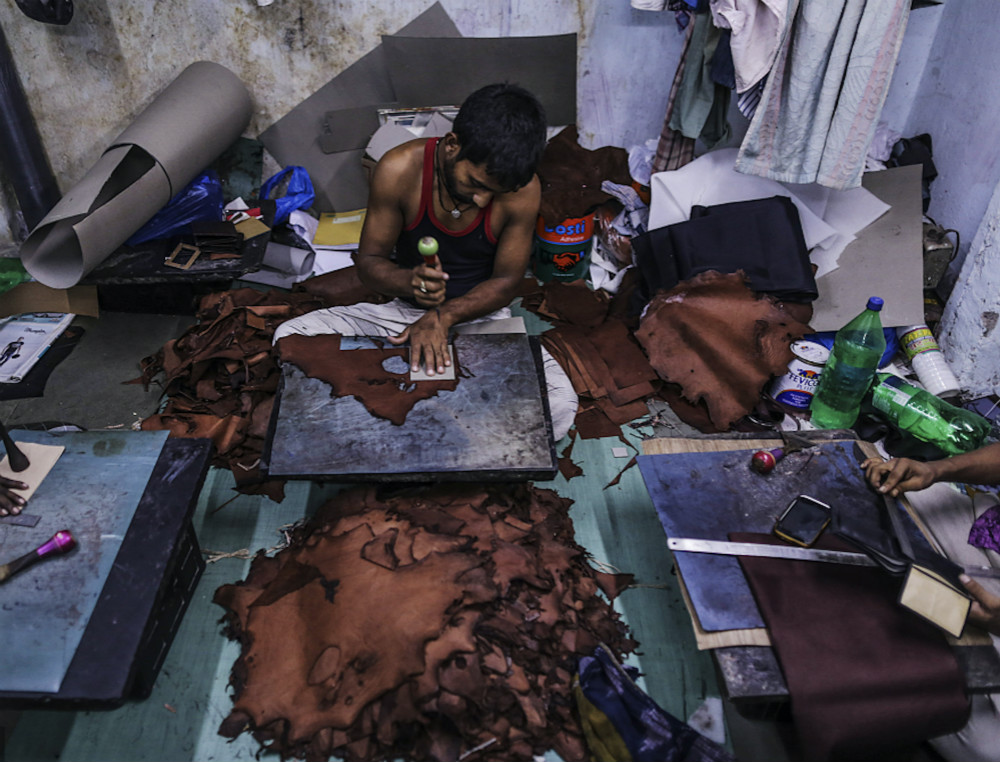
It may be hard to imagine the exquisite leather menu envelopes in Mumbai’s most prestigious Taj Mahal Hotel, the delicious snacks sold in Mumbai’s most exclusive confectionery shops, and the expensive leather handbags in boutique shops, many of which are made by the skillful hands of craftsmen in the Dharavi slum.
After the Oscar-winning film “Slumdog Millionaire” was released, Dharavi slum has attracted more attention. It is said that even Prince Charles of England has visited it in person. It should be reminded that Dharavi slum is not a conventional tourist attraction, because people living here don’t welcome visitors who come to spy just out of curiosity. If you want to visit Dharavi, it is best to find a local guide.
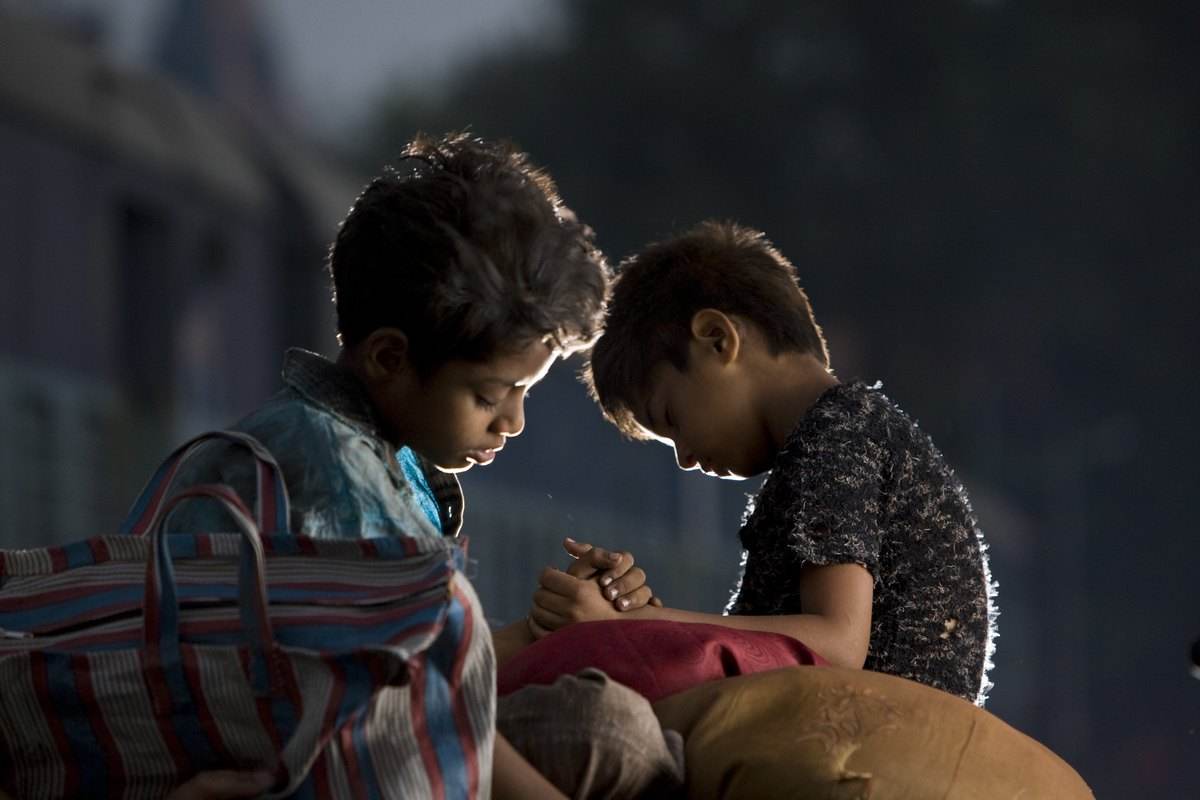
Slumdog Millionaire
My exclusive guide, Sagar, is a child who grew up in a slum. He told me that not everyone in the slums is poor. Many people are used to living here without taxes, and even if they earn money, they don’t want to move out. There are many skilled craftsmen in Dharaviri who are perfectly able to make ends meet by their hard work.
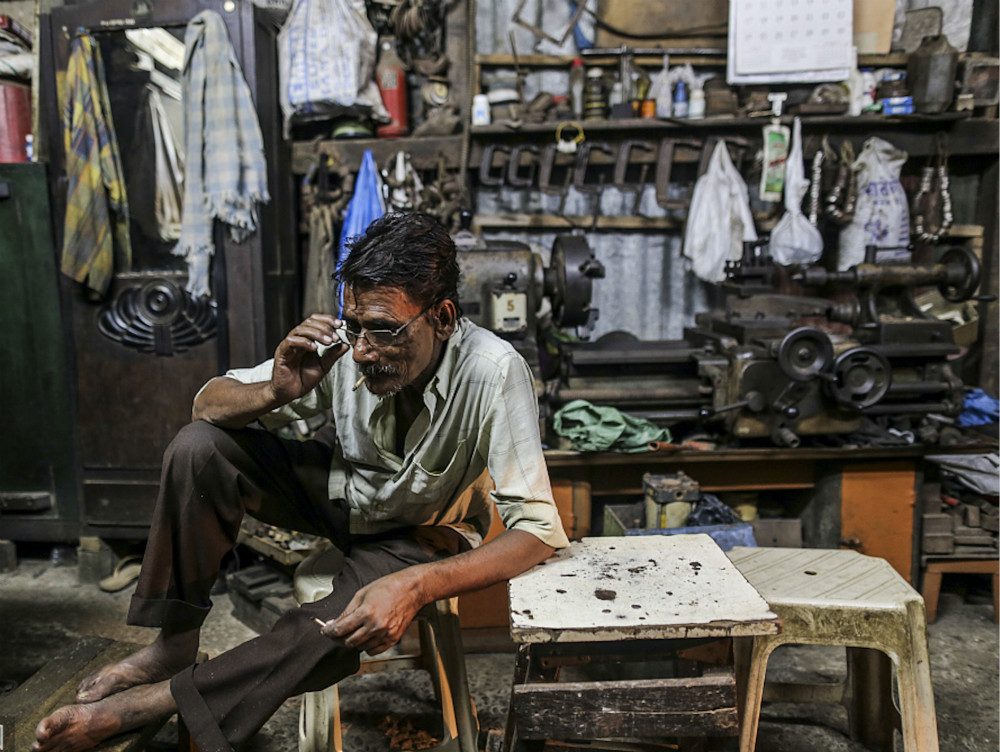
Dharavi slum
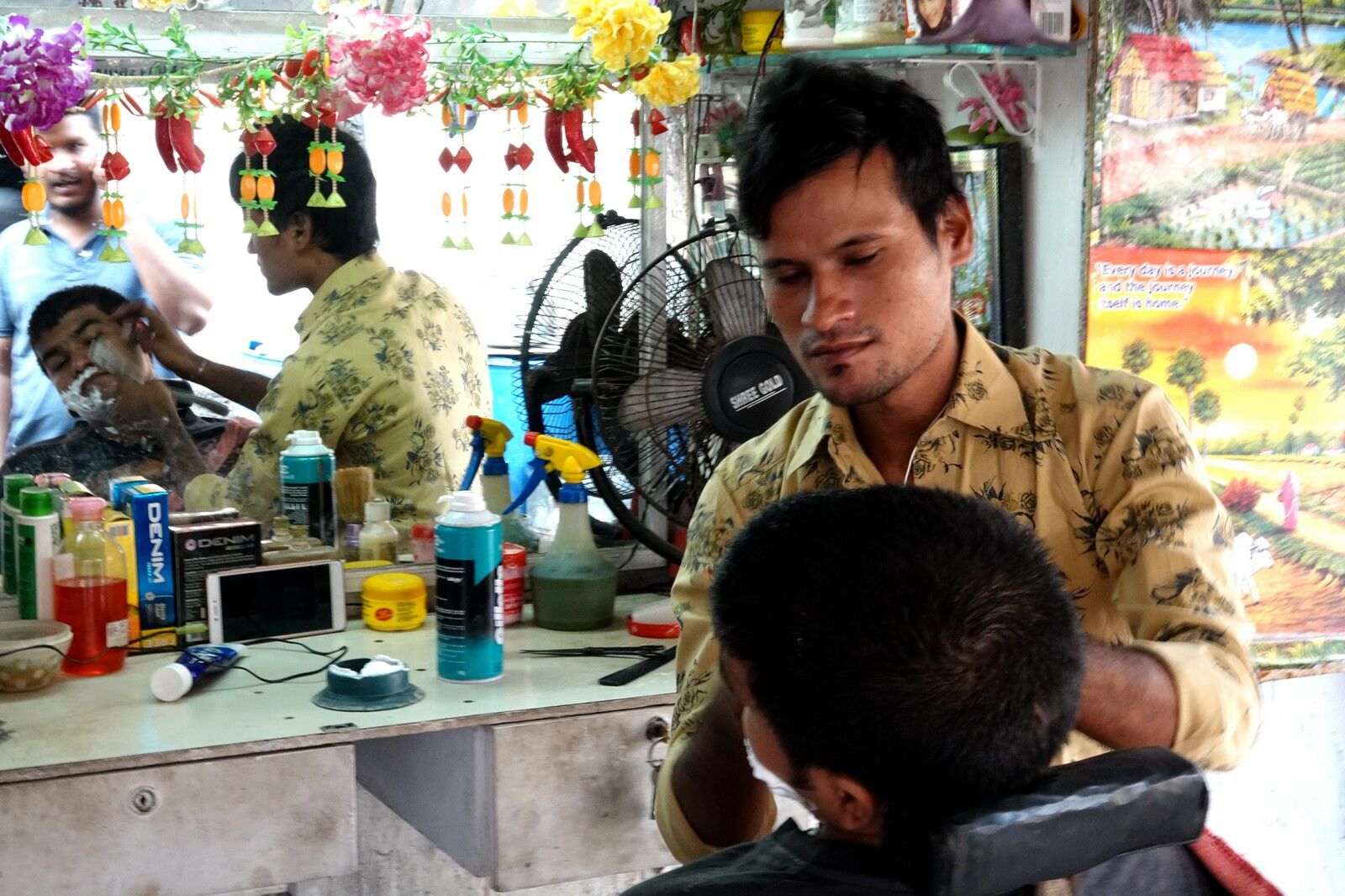
Sagar repeatedly told me not to take random photos without his permission, because he knew which areas were forbidden. I was able to shoot in Dharavi, so to speak, largely thanks to Sagar’s connections. For example, in an alley, in a barber shop playing dynamic music, the handsome barber who is applying foam and shaving for customers is Sagar’s friend from childhood. He said to me very readily, “Take it, take it! If you are interested, you can also sit down and let me serve you. The full set only costs 50 rupees.”
Dharavi slum
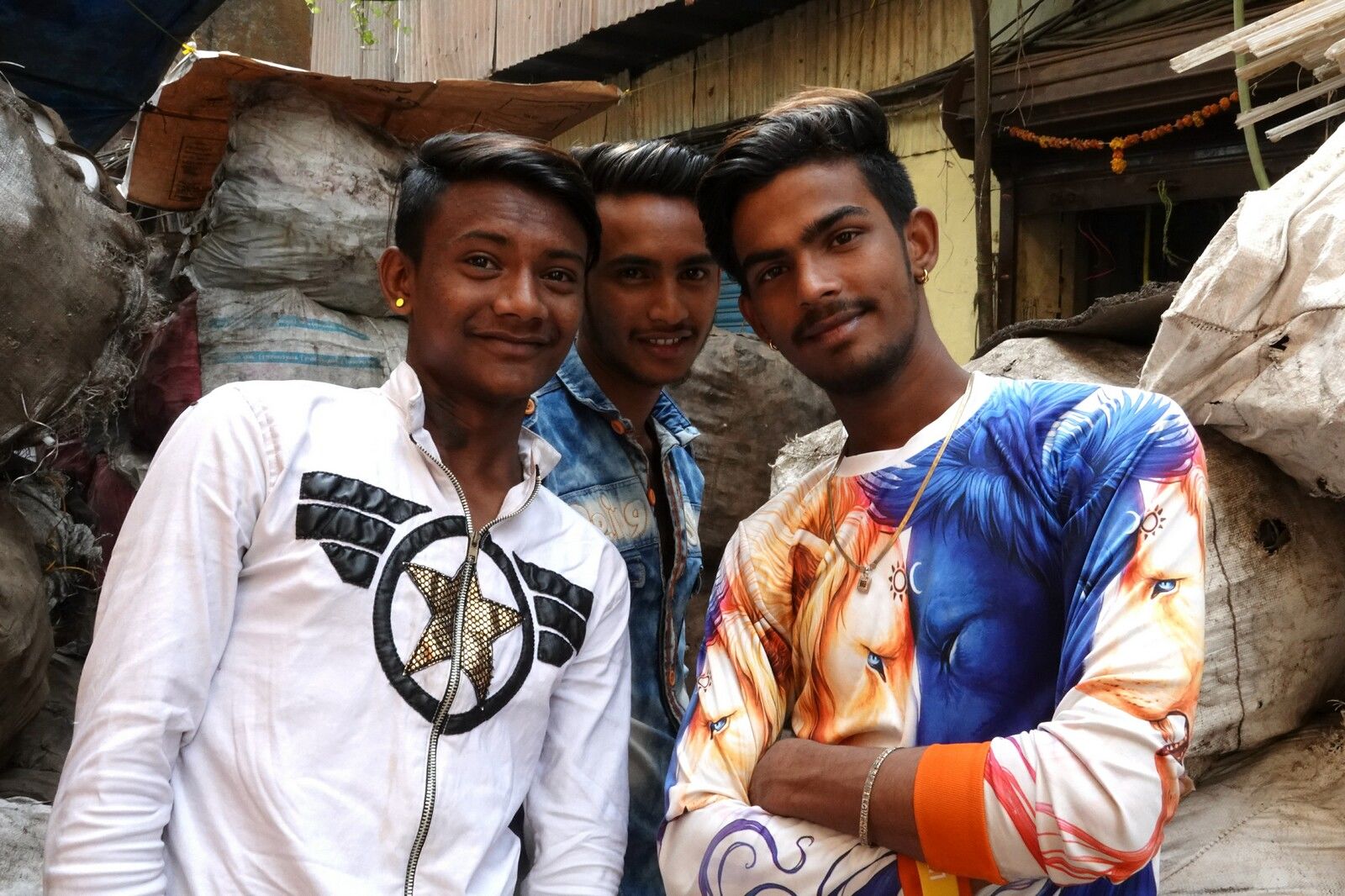
In the tailor’s shop run by Sagar’s friend, I can shoot the workers at work at will, even when they change clothes, and I don’t shy away from my camera. With Sagar by my side, I have a little more trust in the children in the slum. In a narrow alley, three boys approaching me said, “Can you lend us your camera and pose for a photo so that we can post it on Facebook?” After a moment of hesitation, I consulted Sagar with my eyes, and after getting his acquiescence, I handed them the camera. After the boys finished taking photos, they thanked me again and again.
Dharavi slum
Because it looks low and dilapidated on the outside, people always preconceived that living here must be in dire straits. However, when I actually walked in the streets of slums, I didn’t encounter the dirty environment that made people hide their noses, and there was no theft or robbery that made me fear.
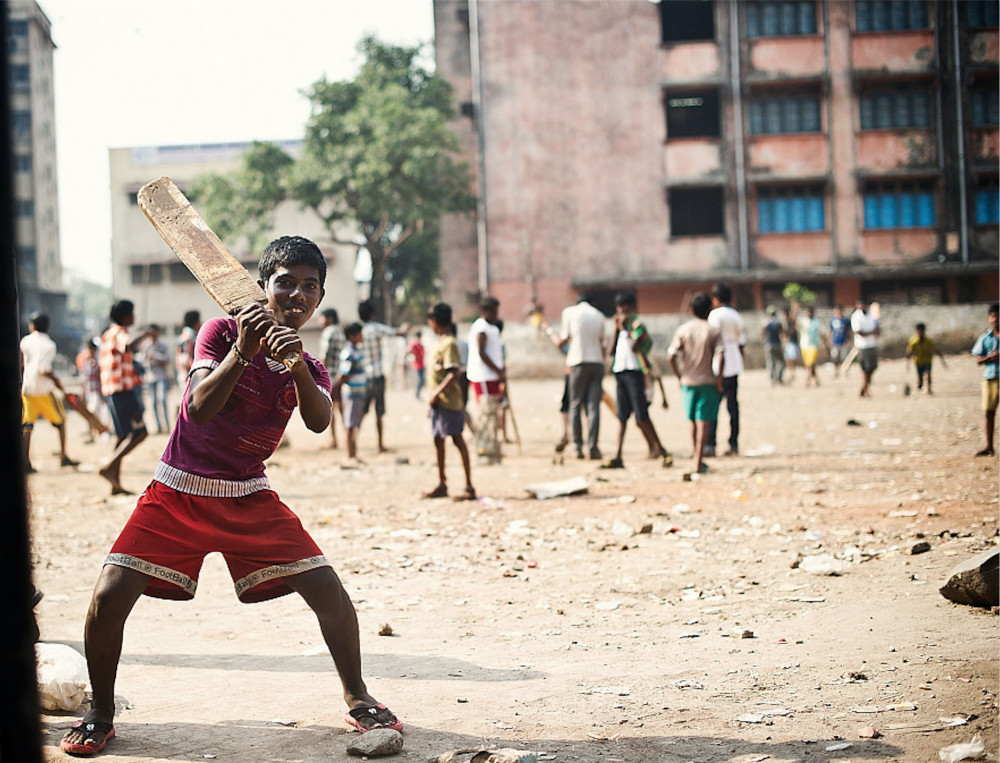
Sagar showed me around ceramic workshops, leather workshops, textile workshops and waste recycling plants. In particular, he emphasized that these industries should not be underestimated. They can be called the four economic pillars of Dharavi slums, and their annual economic output value to Mumbai is as high as 600 million to 1 billion dollars.
Dharavi slum
There are all kinds of schools, mosques, food stalls, vegetable markets and houses in Dharavi, where people from different regions and faiths live in harmony. What impressed me the most was the tea-pulling shop on the corner. The owner specially performed his unique tea-pulling skills for me, and his face was always filled with a satisfied and happy smile.
Dharavi slum
It has been said that the Dharavi slum has a “hellish appearance, heavenly inside”, and I strongly agree with this. Let those nightmare makers who spread rumors and claim that “every 1440 people in Dharavi share a toilet, and no one cleans the garbage”, have their own nightmares! I walked into Dharavi with an uneasy adventure heart like watching a suspense film, but in the end it felt like watching a real-life film full of hardship and warmth.