The world-famous World Cup has been born in the semi-finals of this year, and the fierce competition on the field has become fierce, while the enthusiasm of the fans is still boiling in various host cities in Russia. Tourists from all over the world, while enjoying the exciting competition, have also embarked on a journey to explore the unique charm of Russia in depth.
Today, we will follow in the footsteps of Phoenix Tourism and visit the two sub-cities of the 2018 World Cup in Russia-St. Petersburg and Yekaterinburg. In the exciting football atmosphere, enjoy the profound heritage of the cultural capital of the north and the unique customs of the border city between Europe and Asia.
Winter Palace, St. Petersburg
“Even if the whole world carries my back, I will spend my life building it. This is my city, my kingdom.”-Peter I, Tsar of the Romanov Dynasty
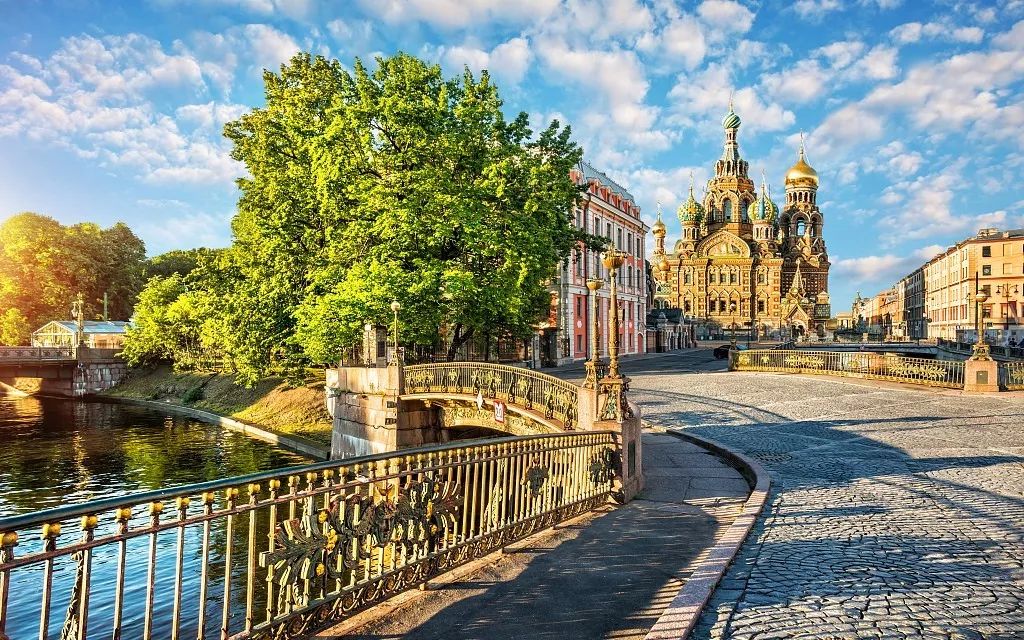
In July, stepping into this historical city of St. Petersburg, the sunshine lasts for more than 20 hours every day, which bathes this “city of white nights” in almost never-ending glory. Here, you can linger between the majestic churches and palaces, and feel the solemnity and splendor of the imperial capital of Tsarist Russia; You can also take a leisurely stroll along the picturesque Neva River and experience the thousands of customs of “Venice in the North”. Inadvertently, you may meet the places where Pushkin, Gogol, Dostoevsky and other literary giants once stopped, and each place attracts people to imagine the grand scene when literati and elegant scholars met, talked and laughed.
Charming St. Petersburg
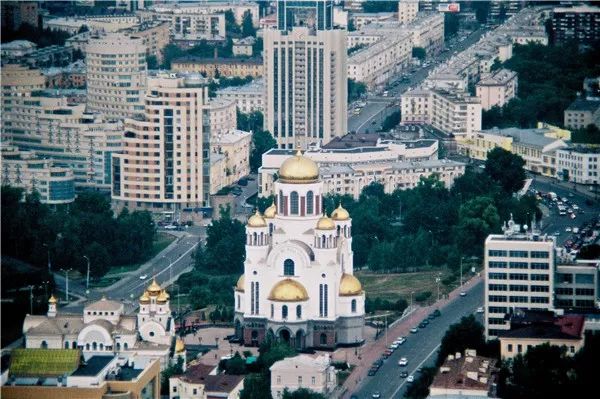
If you look to the east again, come to Yekaterinburg, the only city in Siberia where this World Cup is held. Different from people’s impression of gloomy Siberia, there is an endless enthusiasm here, as if summer will extend indefinitely here. This legendary city named after Empress Catherine I contains countless stories and legends.
The dreamy and legendary Blood Cathedral in Yekaterinburg
| The elegance under the white night and the magnificent epic of the city that never sets
Without visiting St. Petersburg in person, it may be hard to imagine how charming a northern cultural capital with “white nights” is. Czar Catherine II once lamented: “I don’t like Moscow, but I think St. Petersburg is wonderful.”
St. Petersburg
July is the perfect season to visit St. Petersburg. There are only about 90 days of abundant sunshine throughout the year, which covers the city with a layer of gentle gauze. As one of the few cities in the world with the spectacle of “White Night”, St. Petersburg was in daylight almost all day for more than ten days after the “Day Festival”. When you walk out of the theater after enjoying a ballet, even if it is early in the morning, the sky over the Neva River is still as bright as day. If you are also a traveler who deeply feels that “24 hours a day is still unfinished”, this wonderful experience of never setting sun will definitely make you unforgettable for a long time.
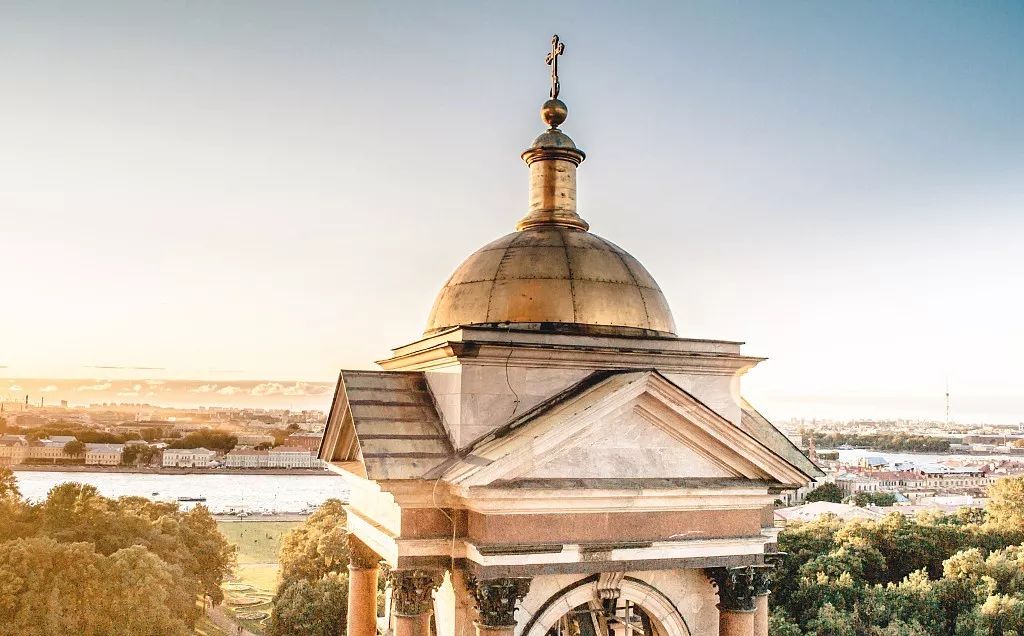
Every year from June to July, St. Petersburg celebrates a daytime festival with more than 20 hours of sunshine
Every world-famous city has an iconic river. The Neva River is to St. Petersburg, just as the Seine River is to Paris and the Thames River is to London. On both sides of the quiet Neva River, majestic historical buildings stand majestic. Pigeons regarded as the “Holy Spirit” pace leisurely. The hourly bell from the distant monastery echoes melodiously, and the prosperous times of the former empire seem to be just around the corner.
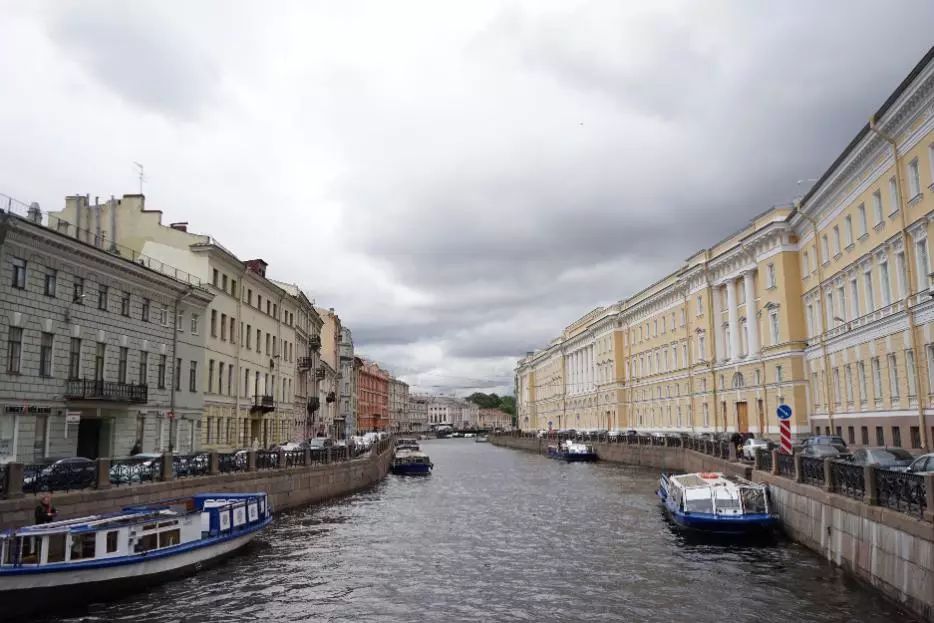
St. Petersburg is known as the “Venice of the North”
St. Petersburg, named after Peter the Great, means a sacred fortress. In 1713, Peter the Great moved the capital to St. Petersburg. This new northern city, praised as “paradise” by the tsar, was just a swamp at that time. More than 20,000 new residents who were forced to migrate built this city brick by brick in hardships. In the next three hundred years, countless churches, monasteries and royal palaces sprang up here.
The architecture of St. Petersburg is either luxurious and romantic, or rigorous and solemn. According to its construction period and style, it can be divided into Baroque, Neo-Romanesque, Ottoman, Stalinist and Khrushchev. Walking through the streets and historical buildings of St. Petersburg, it seems that you are in a corridor intertwined with time and space. One moment, you are still reminiscing about the glory of the past, and the next moment, you have integrated into the pulse of modern times.
St. Petersburg
In St. Petersburg, there are more theaters than shopping malls, and more churches than banks. Kazan Cathedral, located on Nevsky Prospekt, is one of the most prestigious Orthodox churches and a breathtaking Roman-style building. According to legend, making a wish to the Virgin of Kazan here is extremely effective, so it attracts Orthodox believers from all over the world to make pilgrimages.
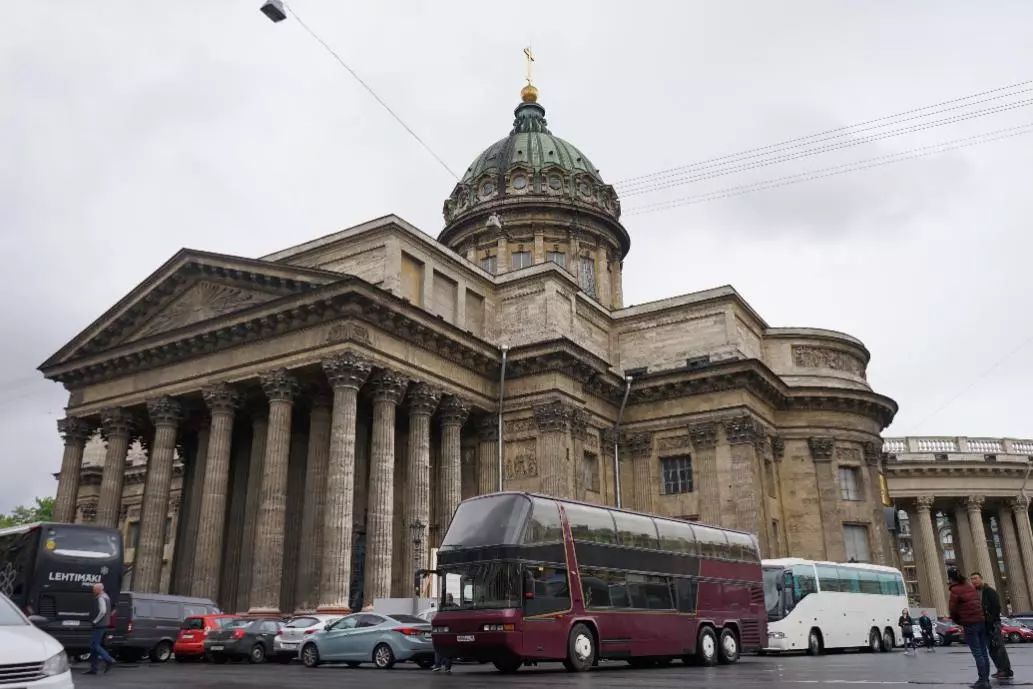
Kazan Cathedral on Nevsky Prospekt
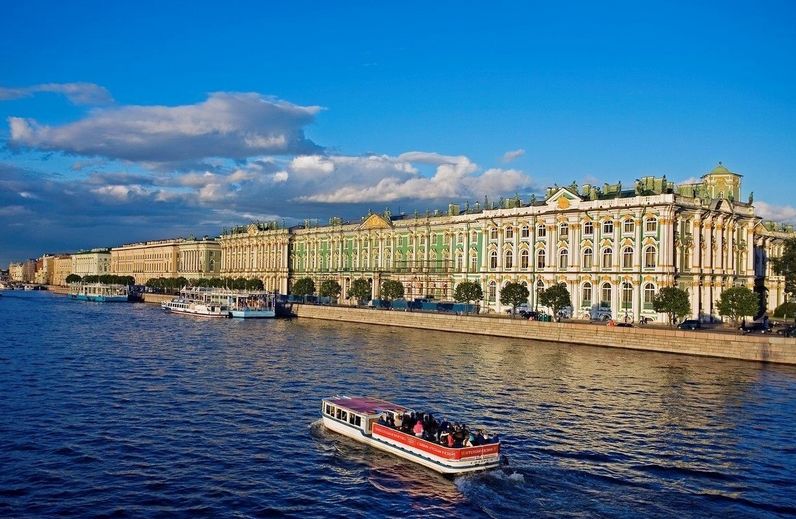
If you haven’t been to the Winter Palace, you haven’t really appreciated St. Petersburg. It’s hard to imagine that the exterior wall of this magnificent palace, which is known as the four major museums in the world together with the British Museum in London, the Louvre in Paris and the Metropolitan Museum of Art in new york, is actually painted in fresh blue-green. Its undulating lines, extremely luxurious reliefs and domes all highlight the splendor and romance of Baroque architecture.
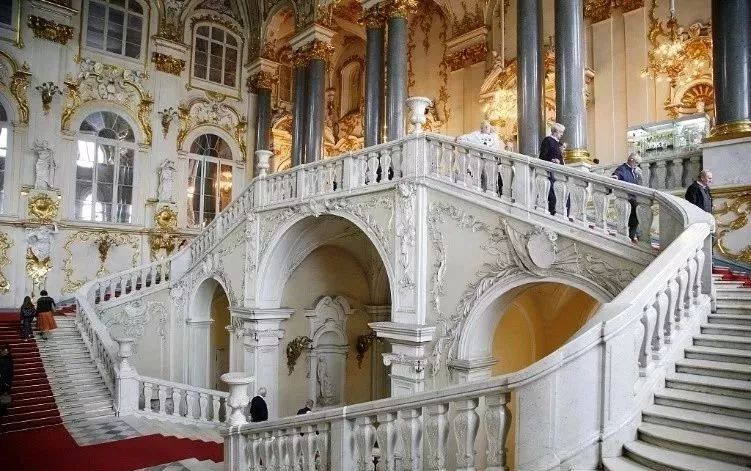
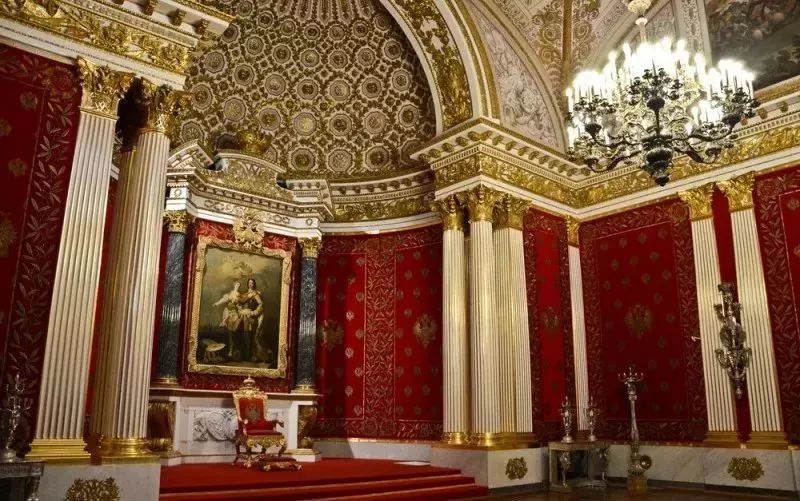
St. Petersburg Winter
In Russia, perhaps only the Tretyakov Gallery in Moscow can compare with the Winter Palace’s art collection. Stepping into the second floor of the museum, paintings from different historical periods are displayed in the same space. This artistic dialogue spanning time and space has created eternal value. Looking at it in depth, each work depicts the politics, society and people’s livelihood at that time, and together outline a vivid picture of Russian historical development.
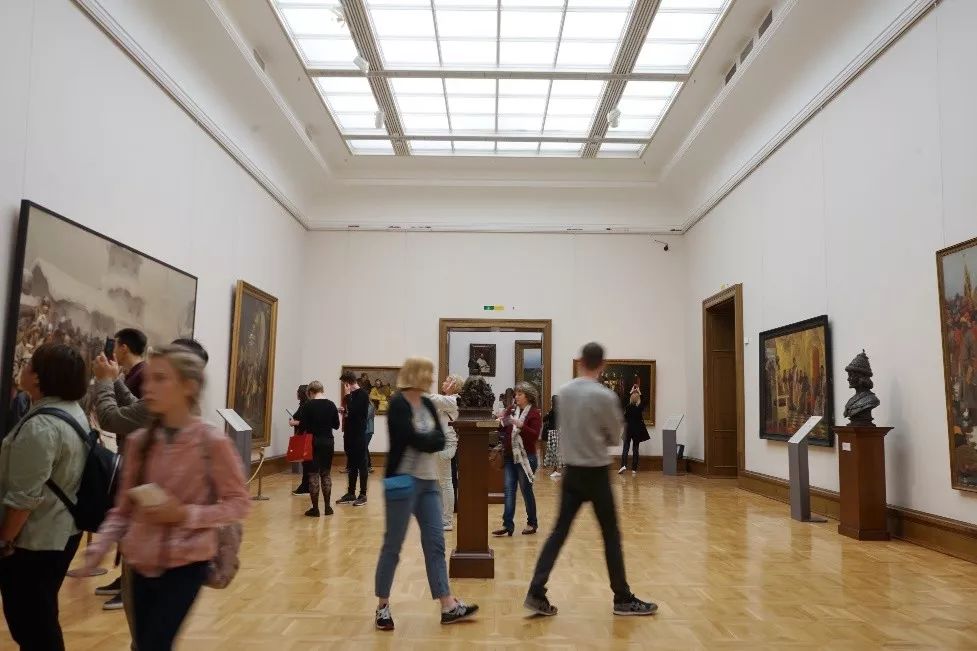
Tretyakov Gallery
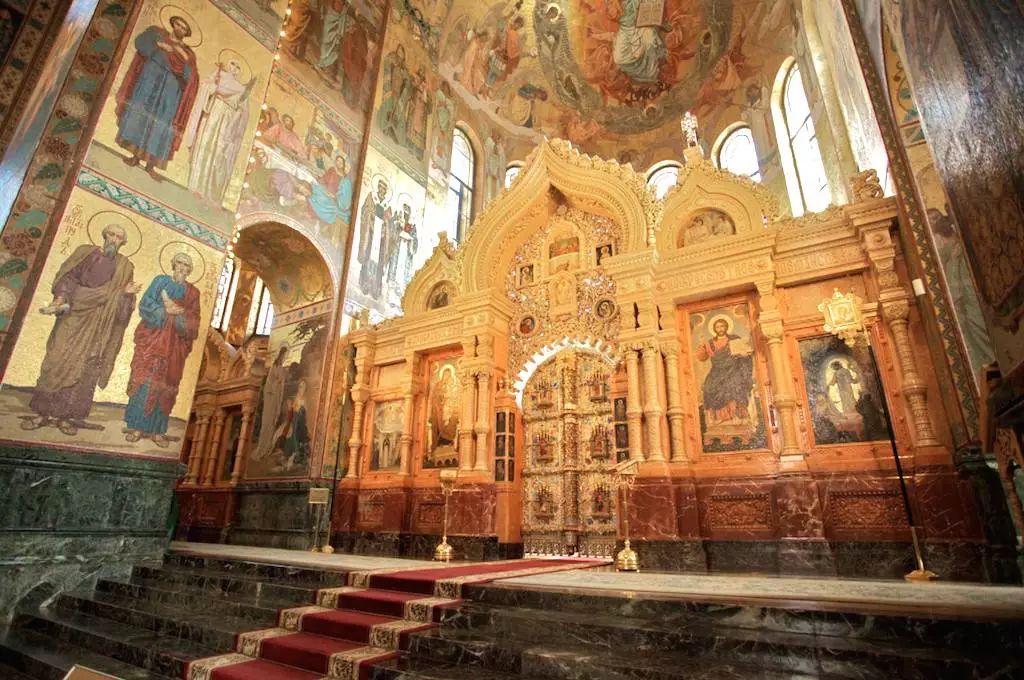
Having enjoyed Roman-style churches and Baroque palaces, you must not miss the Ottoman-style Church of the Resurrection of Christ. Architect Barland created the building inspired by the Cathedral of the Assumption of Vasily on Moscow’s Red Square. The colorful “onion” dome outside the church has a beautiful outline, while the inside is covered with mosaics based on Old Testament biblical stories.
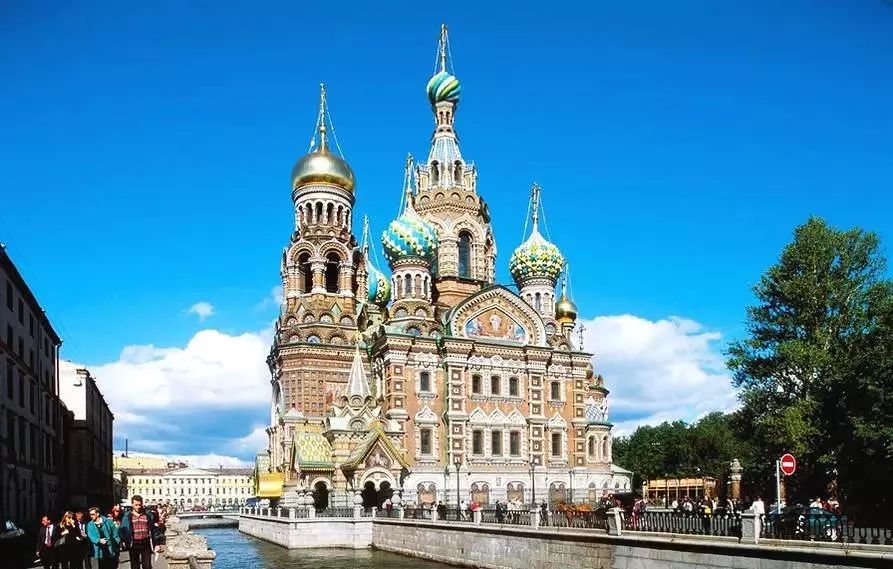
Church of the Resurrection of
Architecture is solidified music and stone epic. Every trace of lead is washed away brick by brick, precipitating the essence of years and art, and recording the turning point and search of the fate of a big country and the process of the world. The cold stone has been endowed with artistic life, and the profound culture has condensed into its blood, quietly telling the story of time to everyone who comes and goes.