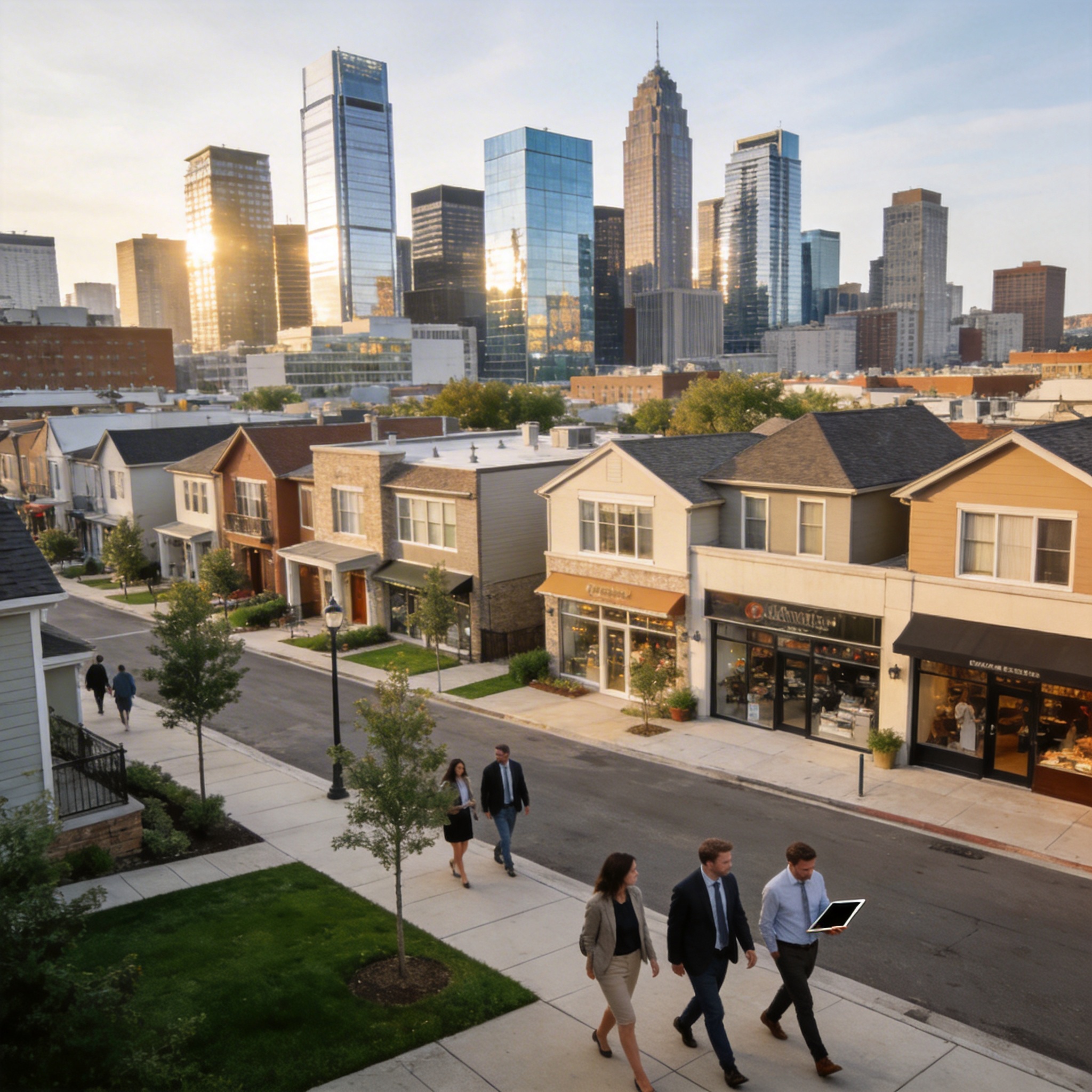
The real estate market is a dynamic landscape that reflects broader economic trends, shifting consumer preferences, and policy changes. In recent years, we’ve witnessed unprecedented shifts driven by global events such as pandemics, inflation, and technological advancements. Understanding these factors is crucial for both buyers and sellers navigating today’s complex market.
Key Drivers Shaping the Market
Interest Rates and Mortgage Costs remain at the forefront of discussions. With central banks adjusting rates to combat inflation, mortgage rates have fluctuated significantly. This volatility affects affordability, with higher rates potentially deterring first-time buyers while incentivizing refinancing among existing homeowners.
- Rising Interest Rates: While they increase borrowing costs, they can also stabilize prices by slowing speculative demand.
- Mortgage Refinancing: Lower interest rates post-COVID spurred a wave of refinancing, reducing monthly payments for many homeowners.
Inflationary Pressures have impacted property values differently across regions. Areas with strong job growth and limited housing supply have seen price appreciation outpacing inflation, while others face stagnation or decline. Supply chain disruptions and labor shortages have delayed new construction projects, exacerbating housing shortages in some markets.
Market Trends Across Different Sectors
Residential Real Estate
The residential sector continues to grapple with supply-demand imbalances. In metropolitan areas like San Francisco and New York City, high-end properties are commanding record prices due to luxury buyer demand. Conversely, suburban and rural markets experience slower sales cycles and price adjustments as remote work becomes more prevalent.
- Remote Work Impact: Rural areas benefit from increased demand for second homes and vacation rentals.
- Generational Shifts: Millennials and Gen Z prioritize affordability and sustainability, driving demand for eco-friendly and affordable housing.
Commercial Real Estate
The commercial sector faces its own set of challenges. Office vacancy rates remain elevated, particularly in cities reliant on traditional office spaces. However, adaptive reuse of commercial properties into mixed-use developments (residential + retail/office) has gained traction. Industrial real estate, however, remains robust due to e-commerce growth and supply chain needs.
- Office Space Adaptation: Companies are converting underutilized offices into co-working spaces or micro-offices.
- Industrial Growth: Warehouse and logistics facilities see steady investment despite rising construction costs.
Policy and Regulation Implications
Government policies play a pivotal role in shaping the market. Tax incentives for first-time homebuyers, zoning reforms aimed at increasing housing density, and climate initiatives promoting green building standards all influence market dynamics. Additionally, regulatory crackdowns on short-term rental platforms like Airbnb have reshaped the rental market, favoring long-term tenants and landlords.
- Zoning Reforms: Cities like Portland and Seattle adopt inclusive zoning to encourage diverse housing types.
- Climate Policies: Green building certifications and renewable energy mandates drive up construction costs but attract environmentally conscious buyers.
Investment Considerations
For investors, diversification remains key. Direct property investments require careful selection based on location, demographics, and economic fundamentals. Alternative strategies like real estate investment trusts (REITs) offer liquidity without direct property management responsibilities. Cryptocurrency adoption in real estate transactions highlights emerging payment methods reshaping industry norms.
- Diversification Tips: Focus on stable regions with growing populations and infrastructure development.
- Technological Integration: Blockchain-based platforms streamline title transfers and reduce transaction costs.
Conclusion
The current real estate market conditions reflect a multifaceted interplay of economic forces, technological innovations, and policy evolution. Whether you’re a homeowner, investor, or policymaker, staying informed about these dynamics is essential for making informed decisions. As the market continues to evolve, adaptability will be the cornerstone of success in this ever-changing landscape.