The vast majority of parents devote themselves wholeheartedly to raising their children, hoping that their children can understand their parents’ hardships, grow up to be grateful, compassionate, and responsible.
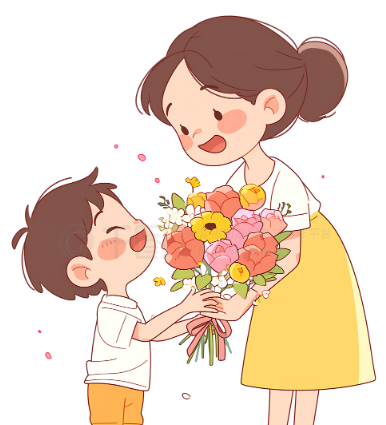
Unfortunately, parents blindly give, and children are accustomed to receiving rather than giving. They will take their parents’ hard work for granted, and there is no way to express gratitude.
Many parents have a misconception that as long as they treat their children well enough, their children will naturally become sensible, considerate, and sensitive. In fact, this one-sided care for children only fosters their self centeredness, considering their own needs in everything, resulting in selfishness rather than gratitude.
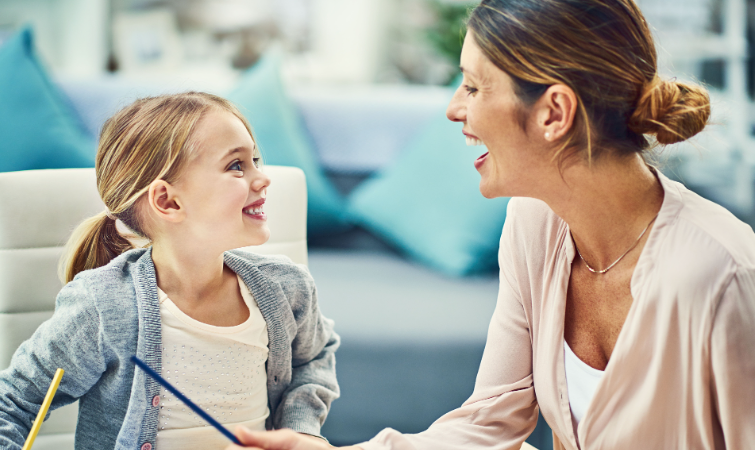
Some parents, from a young age, teach their children through words and deeds, and prioritize good food and fun over others’ attitudes and feelings. This approach may seem to be protecting the interests of children, but in reality, it is making them selfish and self-centered, and ultimately becoming isolated from their neighbors.
Gratitude is not innate, it requires cultivation and training. In addition to parents’ words and deeds, giving children practical opportunities to do things for others is crucial. When children imitate their parents’ actions and do things for others, the attitude of their parents determines whether this behavior should continue or disappear.
Around the age of two or three, children are in their first period of autonomous growth. At this time, children particularly enjoy doing things by themselves, including dressing and eating, as well as imitating their parents in sweeping the floor and carrying dishes to do household chores. Some parents are worried that their children may not do well or get hurt, and if they stop their children from doing things, they miss a valuable opportunity. On the contrary, if parents provide protection and guidance to their children while they are doing things, and finally give appropriate evaluations and enthusiastic responses to their children’s behavior, the children will naturally enjoy such behavior. Diligence, gratitude, sense of responsibility, hands-on ability, and so on, are unconsciously cultivated.
I believe the vast majority of parents hope that their children are grateful, so we should eliminate the one-sided parenting style and use more scientific and reasonable methods to guide their children’s growth. This approach benefits not only the children.