
There are cold and indifferent people in society who make people unwilling to approach; There are also enthusiastic and enthusiastic people who make people feel like they are basking in the spring breeze.
There are many good people and deeds in life, such as professors who collect waste and donate money to support education after retirement, noodle shop owners who provide breakfast to cleaners for free, and passers-by who lift cars to save people in car accidents…… They don’t engage in hype, have no intention of becoming famous, but sincerely use their actions to beautify the world and warm us.
Being enthusiastic in helping others is a good thing. But everything has its limits, and excessive enthusiasm can sometimes cause trouble and burden for those being helped.
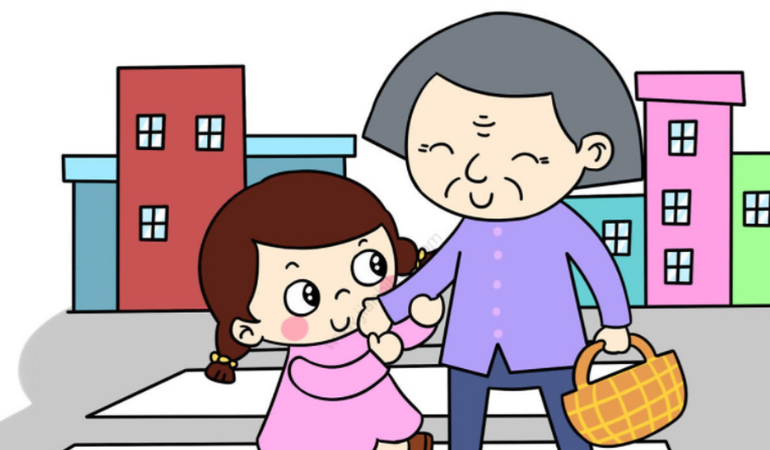
The so-called excessive enthusiasm refers to providing help beyond the necessary limit, or actively participating in situations where the other party does not need or seek help.
Good interpersonal communication requires adherence to four principles: reciprocity principle, exchangeability principle, equality principle, and self-worth protection principle.

In situations of excessive enthusiasm, reciprocity and exchange cannot be met with opportunities. Overly enthusiastic individuals often do not accept returns from the other party, which creates an imbalance in the relationship between the two parties, causing the other party to feel a sense of debt and unfinished work, which can be uncomfortable. (Except for those with giant baby type)
Excessive enthusiasm may also undermine the principles of equality and self-protection of self-worth. Being too proactive in helping others can create a sense of powerlessness and low self-esteem in the recipient, as if they are seen by others as someone who cannot do well, cannot do well, or lacks ability. For example, in some places, giving up seats to the elderly can sometimes cause dissatisfaction among them, as they may feel that they are too old and fragile. This is taboo. The rule of a scoundrel who relies on the old and sells the old is the opposite
Excessive enthusiasm may not only have a negative impact on the interpersonal relationship between both parties, but also on the personal growth of the assisted person.
Mature people have a grateful heart and understand the principle of ‘everyone for me, I for everyone’; Immature people, self-centered individuals, will become accustomed to being taken care of, always relying on others, and taking it for granted, becoming the “giant baby” that people dislike.
From a deeper analysis, overly enthusiastic people do not necessarily need rewards. What they want in return is to have a good social image, reputation, and persona, and to satisfy their self-esteem and sense of value through positive evaluation and praise from those being helped. This excessive emphasis on external evaluation reflects their psychological development being stagnant in the early stages of adolescence, which is an immature mentality.
Through excessive helping behavior, the parties involved can gain a more genuine understanding of themselves, and thus grow and develop themselves.
A truly mature person’s helping behavior will be more conscious, pure, and appropriate. The more helpers like this, the better.