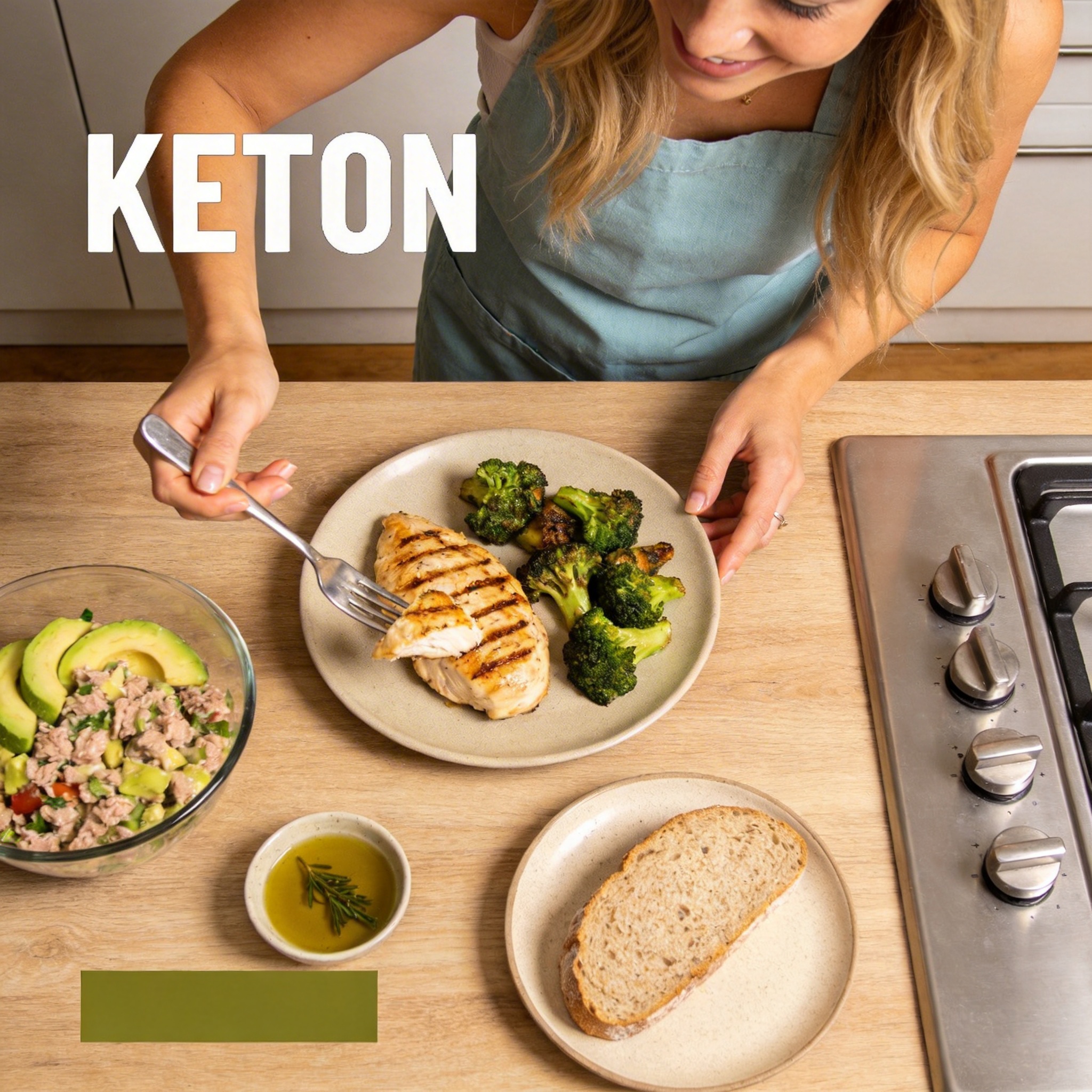
Embarking on a keto diet can be both exciting and daunting. With the promise of weight loss, improved energy levels, and better management of certain health conditions, it’s no wonder that millions are turning to this low-carb, high-fat eating plan. However, creating an effective keto diet meal plan requires careful planning and understanding of what you can and cannot eat. This comprehensive guide will walk you through everything you need to know to get started on your keto journey and maintain it long-term.
Understanding the Basics of a Keto Diet
At its core, the ketogenic diet is designed to put your body into a state of ketosis, where it burns fat for fuel instead of carbohydrates. To achieve this, you must drastically reduce your intake of carbs, typically to 50 grams or fewer per day. This forces your body to rely on stored fat as its primary energy source, leading to weight loss and other health benefits.
- Macronutrient breakdown: Approximately 70% fat, 25% protein, and 5% carbs
- Key foods allowed: Avocados, nuts, seeds, full-fat dairy, fatty fish, and non-starchy vegetables
- Foods to avoid: Grains, sugary snacks, most fruits (except berries), and legumes
Why Choose a Keto Diet?
The keto diet isn’t just about shedding pounds; it offers numerous health advantages. Studies suggest it may help with epilepsy management, improve heart health by lowering triglycerides and cholesterol, and even enhance mental clarity due to stable blood sugar levels.
Creating Your Keto Diet Meal Plan
Planning your meals is crucial for success on a keto diet. Here’s how to structure your daily intake:
Breakfast Ideas
Start your day with a satisfying breakfast that provides lasting energy without spiking blood sugar. Consider options like:
- Scrambled eggs with avocado slices
- Creamy cauliflower hash browns
- Greek yogurt topped with nuts and berries
Lunch Options
For lunch, focus on filling proteins and plenty of leafy greens. Try:
- Bacon-wrapped chicken breast with salad
- Zucchini noodles with pesto sauce
- Tuna salad in lettuce cups
Dinner Choices
Dinner should be hearty yet balanced, ensuring you don’t overindulge in fats. Some great choices include:
- Beef stir-fry with broccoli and mushrooms
- Lemon garlic butter shrimp with roasted veggies
- Chicken parmesan made with almond flour crust
Snack Time
When hunger strikes between meals, reach for these keto-friendly snacks:
- Hard-boiled eggs
- Cucumber sticks with hummus
- Almond butter on celery
Tips for Sticking to Your Keto Diet Meal Plan
Consistency is key when following any diet plan. Here are some tips to help you stay on track:
- Meal prep ahead of time: Prepare ingredients and cook meals in batches for quick assembly throughout the week.
- Track macros: Use apps or journals to monitor your daily intake of fats, proteins, and carbs.
- Stay hydrated: Drink plenty of water throughout the day—aim for at least eight glasses.
- Get support: Join online communities or find a friend who shares similar goals for encouragement.
Common Challenges and How to Overcome Them
While the keto diet can be incredibly rewarding, it’s not without its challenges. Here’s how to tackle them:
Fatigue and Brain Fog
Initially, some people experience fatigue or brain fog during the first few weeks of transitioning into ketosis. These symptoms usually subside as your body adapts. Make sure you’re getting enough sleep and gradually increase your physical activity level.
Social Gatherings
Attending events where traditional food options aren’t keto-friendly can pose difficulties. Be prepared by bringing along approved snacks or asking if alternative dishes can be made without added sugars or starches.
Mental Willpower Tested
It’s easy to fall off track when faced with tempting treats. Practice mindfulness techniques such as deep breathing exercises whenever cravings hit hard. Remember why you started this journey—your health and wellbeing depend on sticking to your plan!
Conclusion
A well-crafted keto diet meal plan is essential for anyone looking to reap the rewards of this popular eating pattern. By carefully selecting nutrient-dense foods while avoiding those high in carbohydrates, you set yourself up for success in achieving your fitness goals while enjoying delicious meals along the way. Remember that patience plays an important role too; give yourself time to adjust to the changes required for optimal results. With dedication and proper planning, there’s no limit to what you can accomplish!