Losing weight can be a challenging journey, but finding the right diet is key to achieving lasting results. With so many fad diets and misinformation circulating, it’s easy to feel overwhelmed. However, by understanding the principles of effective weight loss and incorporating them into your lifestyle, you can create a sustainable plan that works for you. In this article, we’ll explore the best diet for weight loss, backed by scientific research and practical advice.
Understanding the Basics of Weight Loss
At its core, weight loss is about creating a calorie deficit—burning more calories than you consume. This process involves two main components: reducing calorie intake and increasing physical activity. While there are numerous diet plans claiming to deliver rapid results, the most effective ones focus on long-term sustainability rather than quick fixes.
- Calorie Deficit: To lose weight, you need to consume fewer calories than your body needs to function. However, going too low on calories can lead to fatigue, muscle loss, and other health issues.
- Nutrition Quality: Not all calories are created equal. The types of nutrients you eat play a significant role in how your body processes food and regulates hunger.
- Sustainability: The best diets are those that you can stick with over time. Fad diets may work initially but often fail because they’re too restrictive or unsustainable.
The Best Diet for Weight Loss: Core Principles
Balanced Macronutrient Intake
A balanced diet includes macronutrients such as carbohydrates, proteins, and fats. Each plays a unique role in your body and should be included in moderation.
- Carbohydrates: Choose complex carbs like whole grains, legumes, and vegetables. These provide sustained energy and fiber, which helps keep you full.
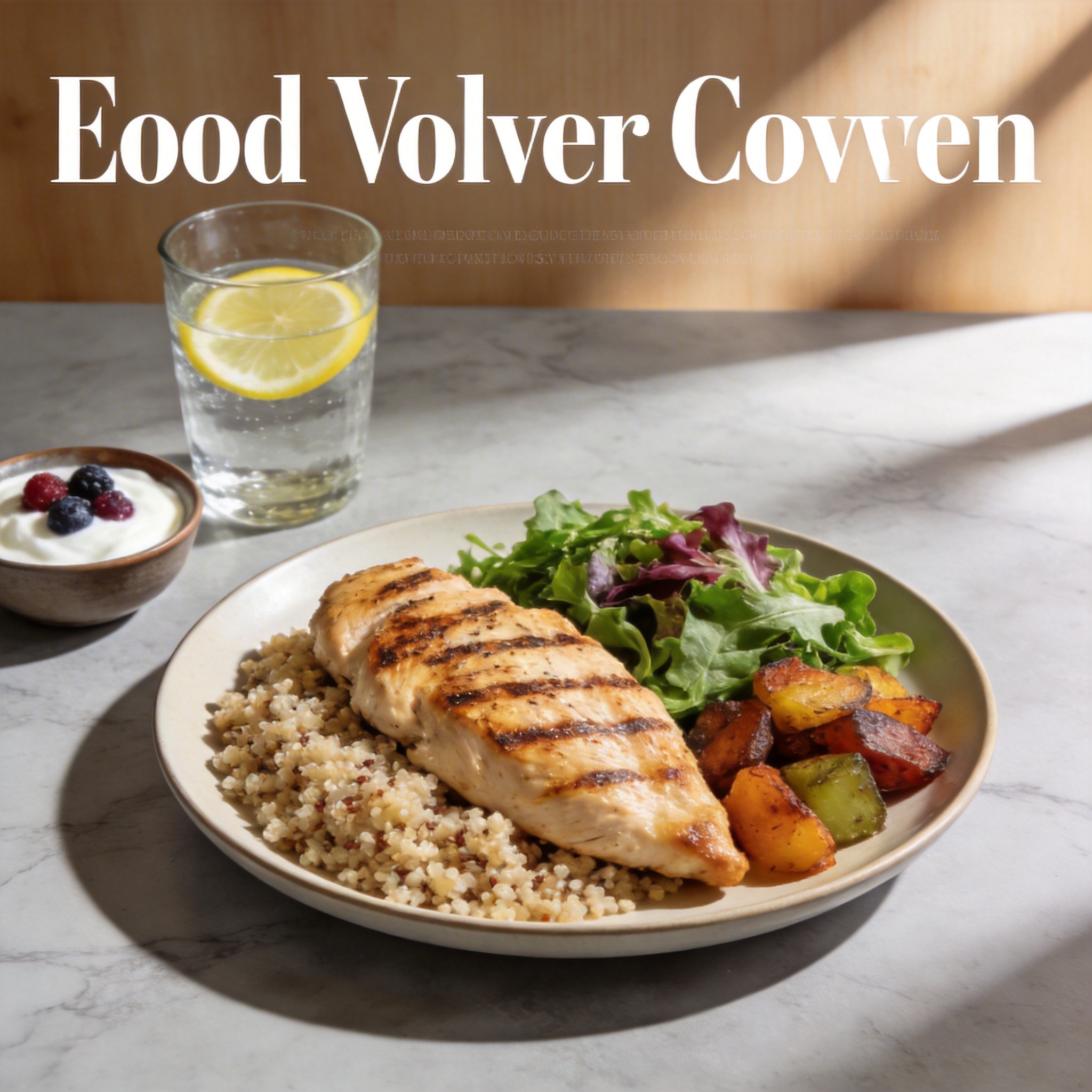
- Proteins: Include lean proteins such as chicken, fish, eggs, and plant-based options like lentils and quinoa. Protein is essential for muscle repair and satiety.
- Fats: Healthy fats from sources like avocados, nuts, and olive oil support hormone production and nutrient absorption.
Portion Control and Mindful Eating
Portion control is crucial for managing calorie intake without feeling deprived. Pay attention to serving sizes and listen to your body’s hunger cues.
- Meal Planning: Preparing meals in advance can help you avoid last-minute decisions that might lead to overeating.
- Mindful Eating: Practice mindfulness while eating to savor your food and recognize when you’re full. This helps prevent emotional eating.
Hydration and Fiber
Staying hydrated is often overlooked but is vital for weight loss. Water helps flush out toxins, supports metabolism, and reduces hunger pangs.
- Water Consumption: Aim for at least eight glasses of water daily. Herbal teas and infused waters can add variety without extra calories.
- Fiber-Rich Foods: Incorporate foods high in fiber like fruits, vegetables, and whole grains. Fiber slows digestion and promotes feelings of fullness.
Popular Diet Plans: Pros and Cons
Low-Carb Diets
Low-carb diets, such as the ketogenic diet, have gained popularity for their ability to induce rapid weight loss. They work by shifting the body into a state of ketosis, where it burns fat instead of carbohydrates for energy.
- Pros: Can lead to rapid initial weight loss and improved blood sugar control.
- Cons: High in fat intake, which may increase the risk of heart disease if not monitored closely. Also, it can be difficult to maintain long-term due to restrictive nature.
Mediterranean Diet
The Mediterranean diet emphasizes whole foods like fruits, vegetables, whole grains, and healthy fats while limiting processed items and red meat.
- Pros: Rich in antioxidants and anti-inflammatory properties, which support overall health.
- Cons: May require adjustments based on personal preferences and cultural dietary habits.
Plant-Based Diets
Plant-based diets focus on consuming mostly plant foods, including fruits, vegetables, whole grains, and legumes, while minimizing animal products.
- Pros: Lower in saturated fats and cholesterol, which can reduce cardiovascular risk.
- Cons: Requires careful planning to ensure adequate protein intake, especially for athletes or active individuals.
Creating Your Customized Weight Loss Plan
The best diet for weight loss is one that fits your lifestyle, preferences, and health goals. Here’s how to tailor a plan that works for you:
- Set Realistic Goals: Aim for gradual, sustainable changes rather than drastic measures. Losing 1-2 pounds per week is a healthy target.
- Consult a Professional: Work with a registered dietitian or nutritionist to create a personalized plan that addresses your specific needs.
- Track Progress: Keep a food diary or use a mobile app to monitor your intake and stay accountable.
Conclusion
Finding the best diet for weight loss is a personal journey that requires patience, consistency, and self-care. By focusing on balanced nutrition, portion control, and mindful eating, you can create a plan that leads to sustainable weight loss. Remember, the goal isn’t just to shed pounds but to adopt healthier habits that benefit your entire well-being. Whether you choose a low-carb approach, a plant-based diet, or something else entirely, what matters most is making choices that align with your goals and enjoying the process along the way. Start small, stay committed, and celebrate every step forward. Your best self is within reach!